Tell us about the job
Takes about a minute. No obligation.
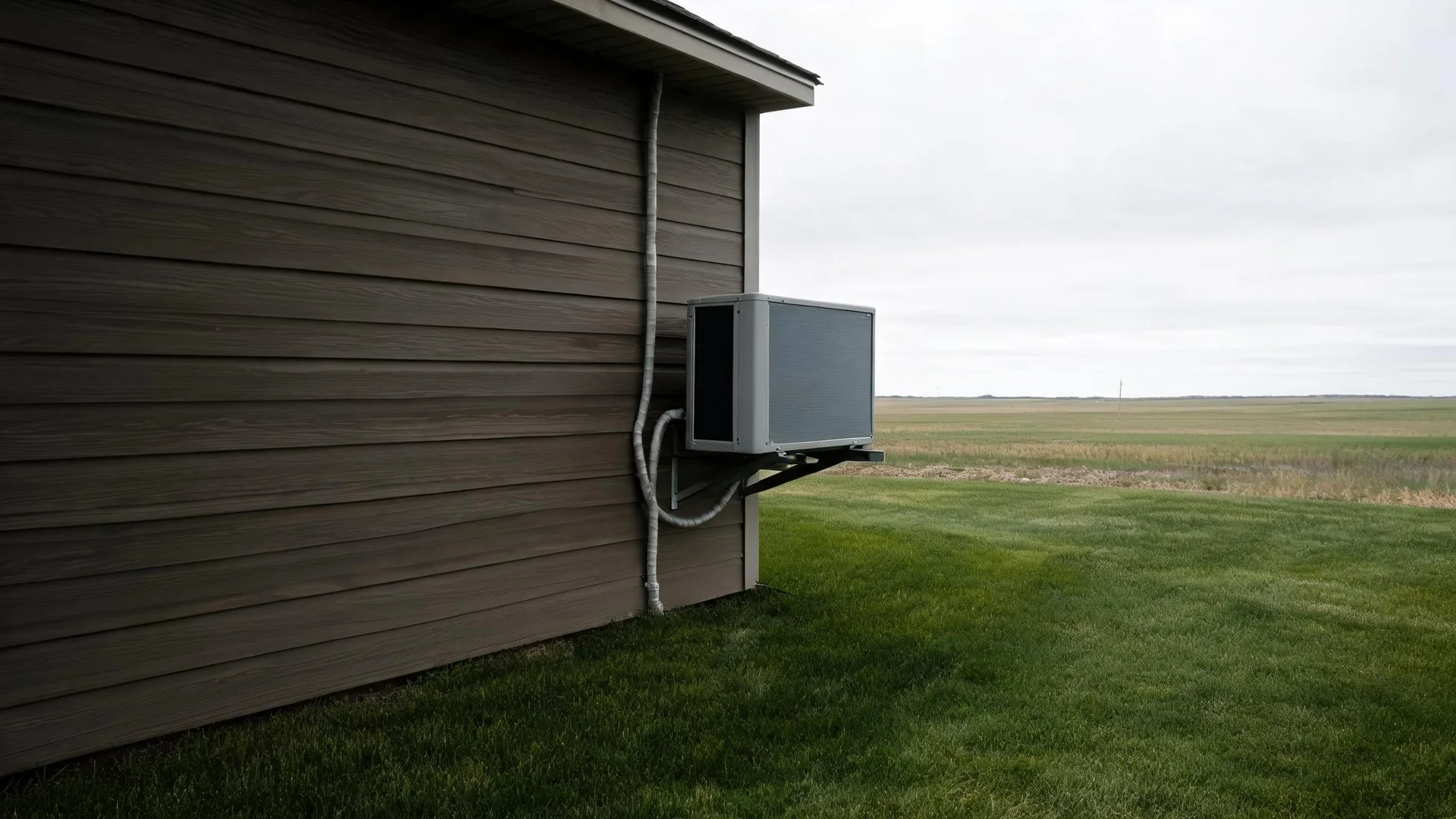
Sizing a mini-split for this house means accounting for what the compressor will actually be asked to carry each summer. Homes in Osage County, KS run cooling about four months a year, from June through September. The compressor starts and stops repeatedly across those months, and the contactor and refrigerant circuit take the cumulative load of every cycle. A unit that is undersized for the actual peak load runs longer per cycle and builds heat in the compressor windings faster than one matched correctly to the space. Contractors confirm refrigerant charge and check electrical connections at commissioning precisely because those are the components that carry the summer's full burden.
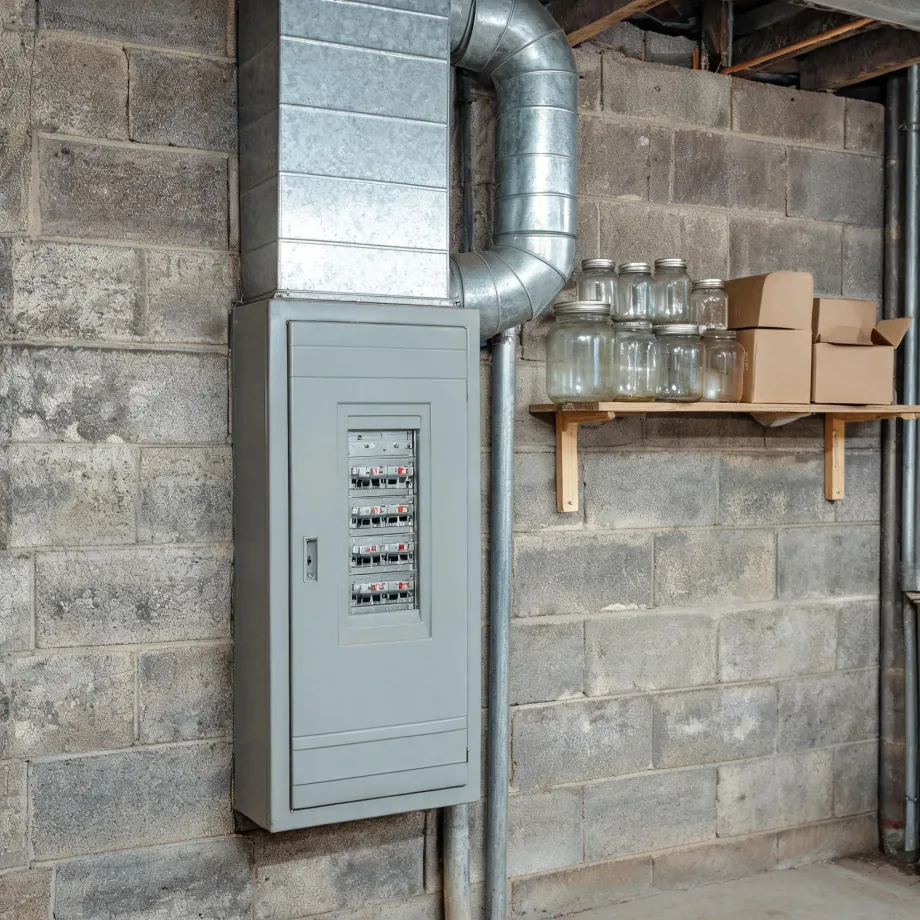
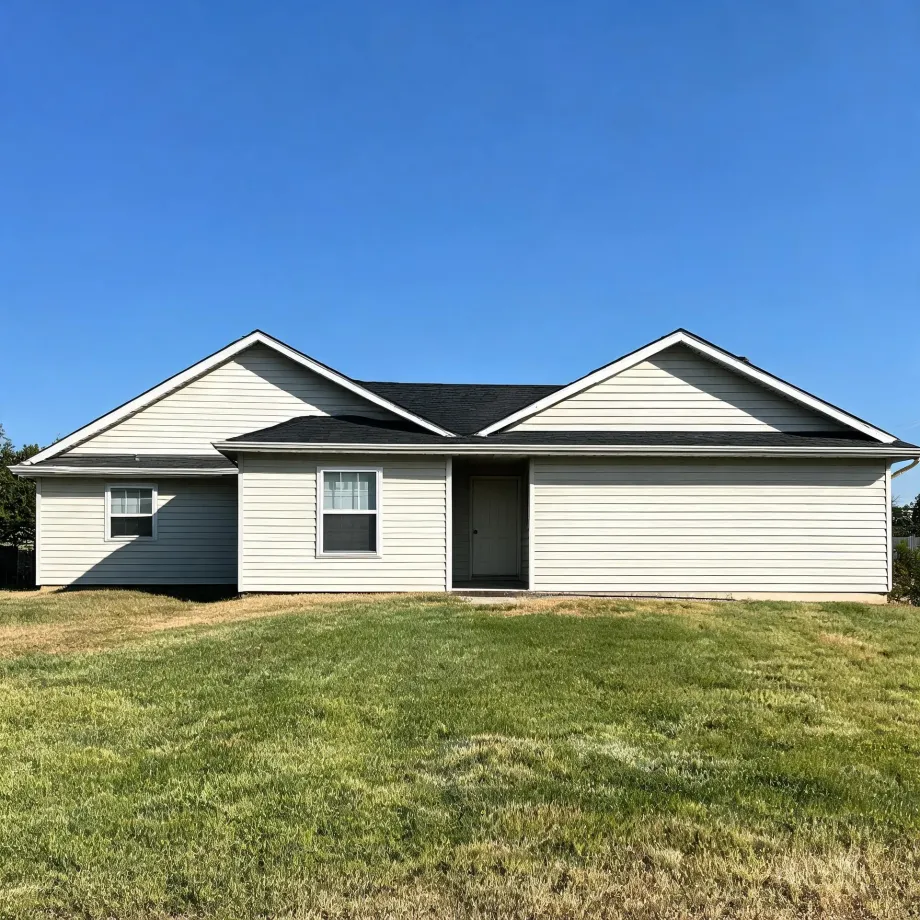
Electrical service is where a mini-split installation in Osage County gets decided. Half the homes in Osage County, Kansas were built in 1974 or earlier (2020-2024 ACS 5-year). A house built then was wired for what was standard then, and a mini-split draws differently than what those panels were sized around. A contractor will open the panel and measure what is there before anything else on the job moves forward. The unit itself is straightforward to specify once that number is known.
What a Mini-split Installation Puts in Your Home
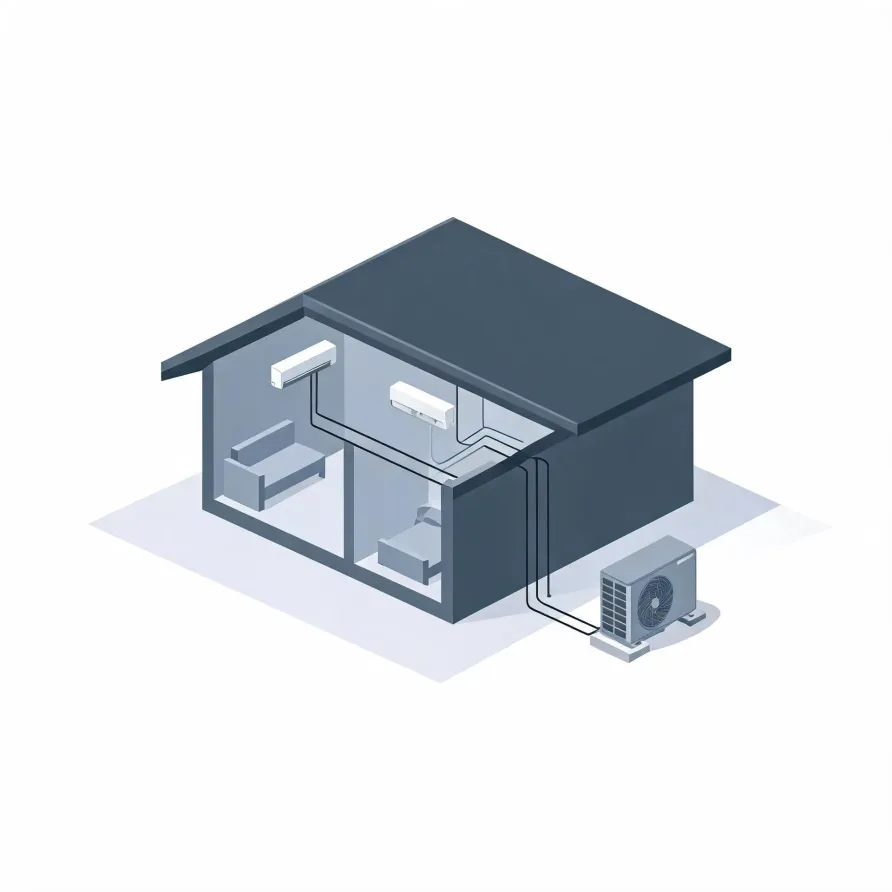
The indoor air handler mounts high on an interior wall, inside the room being conditioned, and moves air across the space. The outdoor condenser unit sits on a pad or bracket outside the house and carries the components that do the heavy work of the system.
A refrigerant line set runs through a small opening in the wall to connect the two units, and a condensate drain line carries moisture from the indoor unit to the outside. A dedicated electrical disconnect is mounted near the outdoor unit to allow the system to be safely shut down.
The drawing shows the general layout of a mini-split system, and a licensed contractor will determine exactly how each piece fits your house.
Get matched in Osage CountyOsage County, Kansas, by the numbers
157 severe weather events were recorded in Osage County, Kansas between 2015 and 2024.
NOAA National Centers for Environmental Information, Storm Events Database, bulk CSV export, events 2015-01-01 through 2024-12-31.Half the homes in Osage County, Kansas were built in 1974 or earlier (2020-2024 ACS 5-year).
U.S. Census Bureau, 2020-2024 American Community Survey 5-Year EstimatesOsage County, Kansas holds 7,337 housing units (2020-2024 ACS 5-year).
U.S. Census Bureau, 2020-2024 American Community Survey 5-Year EstimatesOwners occupy 82.4% of the occupied homes in Osage County, Kansas (2020-2024 ACS 5-year).
U.S. Census Bureau, 2020-2024 American Community Survey 5-Year EstimatesSevere Weather Events in Osage County
Osage County's climate puts real load on heating and cooling equipment, and that load is shaped by what the weather actually does here year over year. A mini-split sized and installed for local conditions carries that load better than one spec'd from a national average.
157 severe weather events, 2015–2024. Source: NOAA National Centers for Environmental Information, Storm Events Database.