Tell us about the job
Takes about a minute. No obligation.
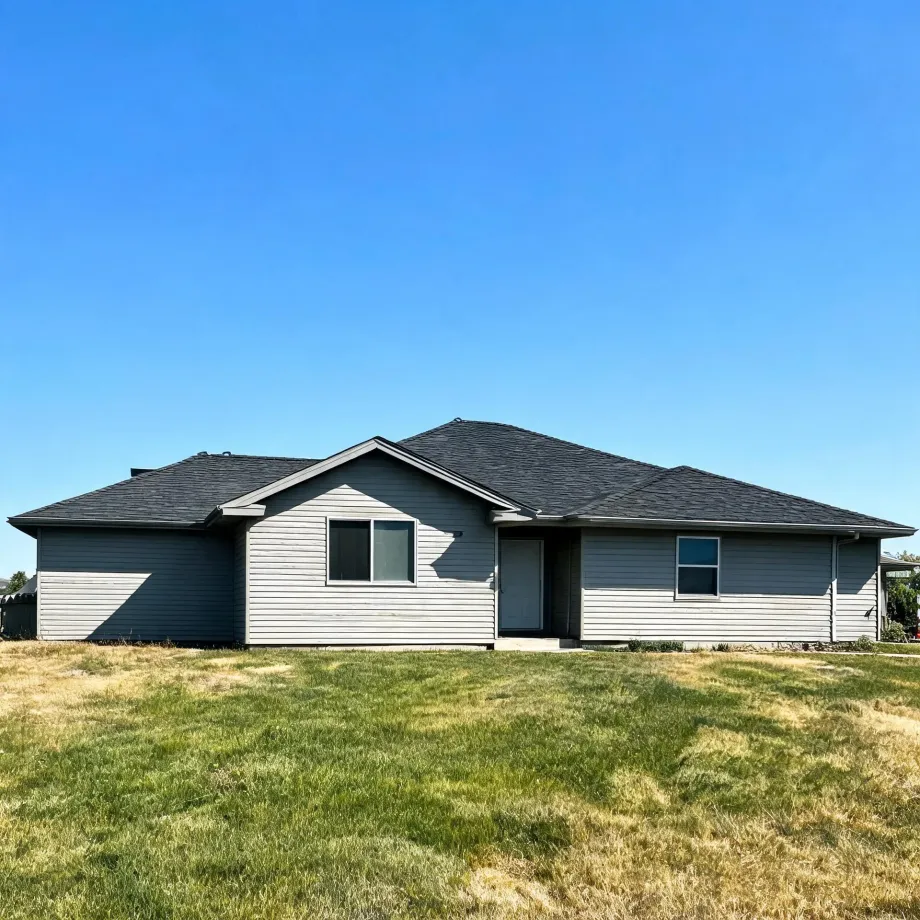
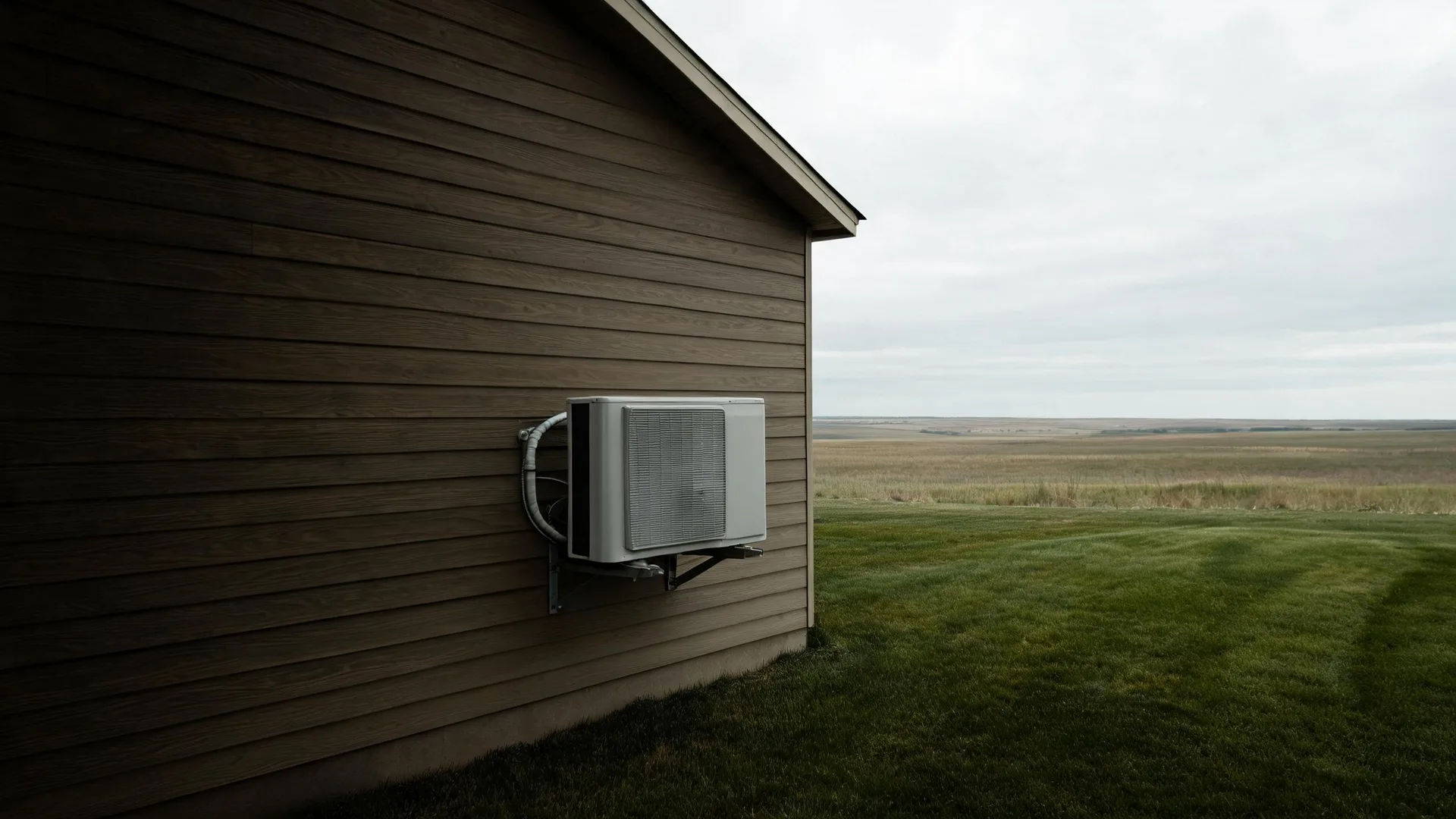
Sizing a mini-split here starts with what the compressor is actually being asked to carry. Homes in Wabaunsee County, KS run cooling about four months a year, from June through September. The compressor, the condenser fan, and the contactor all cycle through that load every year without a long idle stretch to recover in. A unit that is undersized relative to the house's heat gain will run near its limit through every hot stretch, and the wear on those cycling parts shows earlier than it would in a shorter cooling climate. A contractor quoting the job calculates the room-by-room load before settling on capacity, because an install that looks adequate on paper can fall short once the house is sealed and the system is running continuously in August.
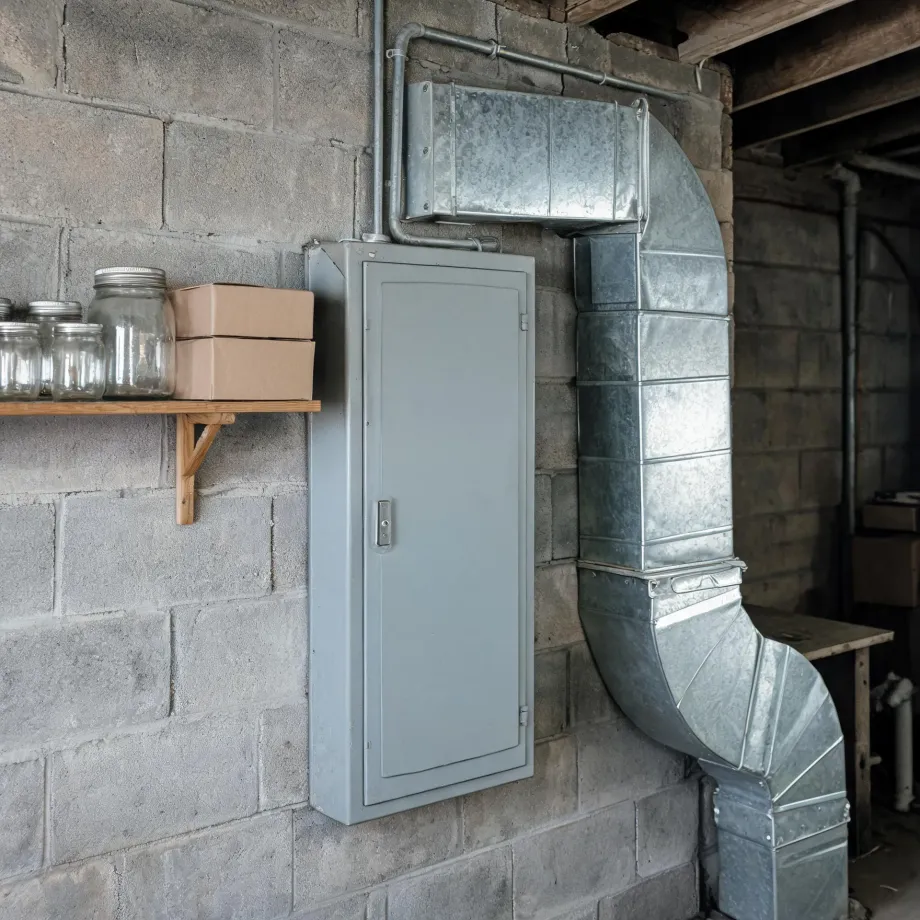
Ductwork in these houses was built around systems that have since been replaced, and the electrical service panels were sized for much smaller draws than a mini-split installation requires. Half the homes in Wabaunsee County, Kansas were built in 1964 or earlier (2020-2024 ACS 5-year). A contractor quoting a mini-split here opens the electrical panel early, because what it can supply sets the ceiling on what gets installed and where.
What a Mini-split Looks Like Once It's In
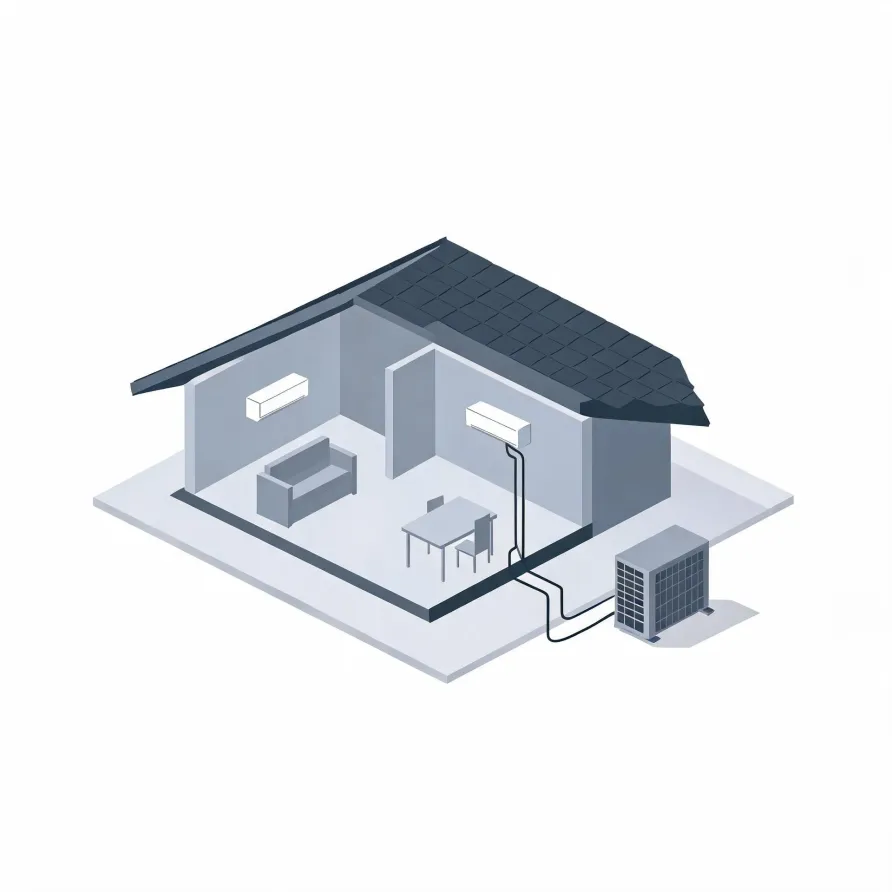
The indoor air handler mounts high on an interior wall of the room being conditioned, and that is where the conditioned air enters the space. Outside the house, the outdoor condenser unit sits on a pad or bracket, housing the compressor and the components that release heat to the exterior.
A refrigerant line set runs through a small penetration in the wall to connect the two units, bundled alongside a condensate drain line and the power and communication wiring. A disconnect box is mounted near the outdoor unit as part of the outdoor installation.
The drawing shows the general layout of these components, and a licensed contractor determines exactly how each one is positioned and connected in your specific house.
Find a contractor in Wabaunsee CountyWabaunsee County, by the numbers
135 severe weather events were recorded in Wabaunsee County, Kansas between 2015 and 2024.
NOAA National Centers for Environmental Information, Storm Events Database, bulk CSV export, events 2015-01-01 through 2024-12-31.Half the homes in Wabaunsee County, Kansas were built in 1964 or earlier (2020-2024 ACS 5-year).
U.S. Census Bureau, 2020-2024 American Community Survey 5-Year EstimatesWabaunsee County, Kansas holds 3,136 housing units (2020-2024 ACS 5-year).
U.S. Census Bureau, 2020-2024 American Community Survey 5-Year EstimatesOwners occupy 81.1% of the occupied homes in Wabaunsee County, Kansas (2020-2024 ACS 5-year).
U.S. Census Bureau, 2020-2024 American Community Survey 5-Year EstimatesSevere Weather Events in Wabaunsee County
Weather in this part of Kansas puts real demands on heating and cooling equipment, and those demands shape what a well-sized, well-installed mini-split system needs to handle. A contractor choosing and installing equipment here is working against local conditions, not a national average.
135 severe weather events, 2015–2024. Source: NOAA National Centers for Environmental Information, Storm Events Database.