Tell us about the job
Takes about a minute. No obligation.
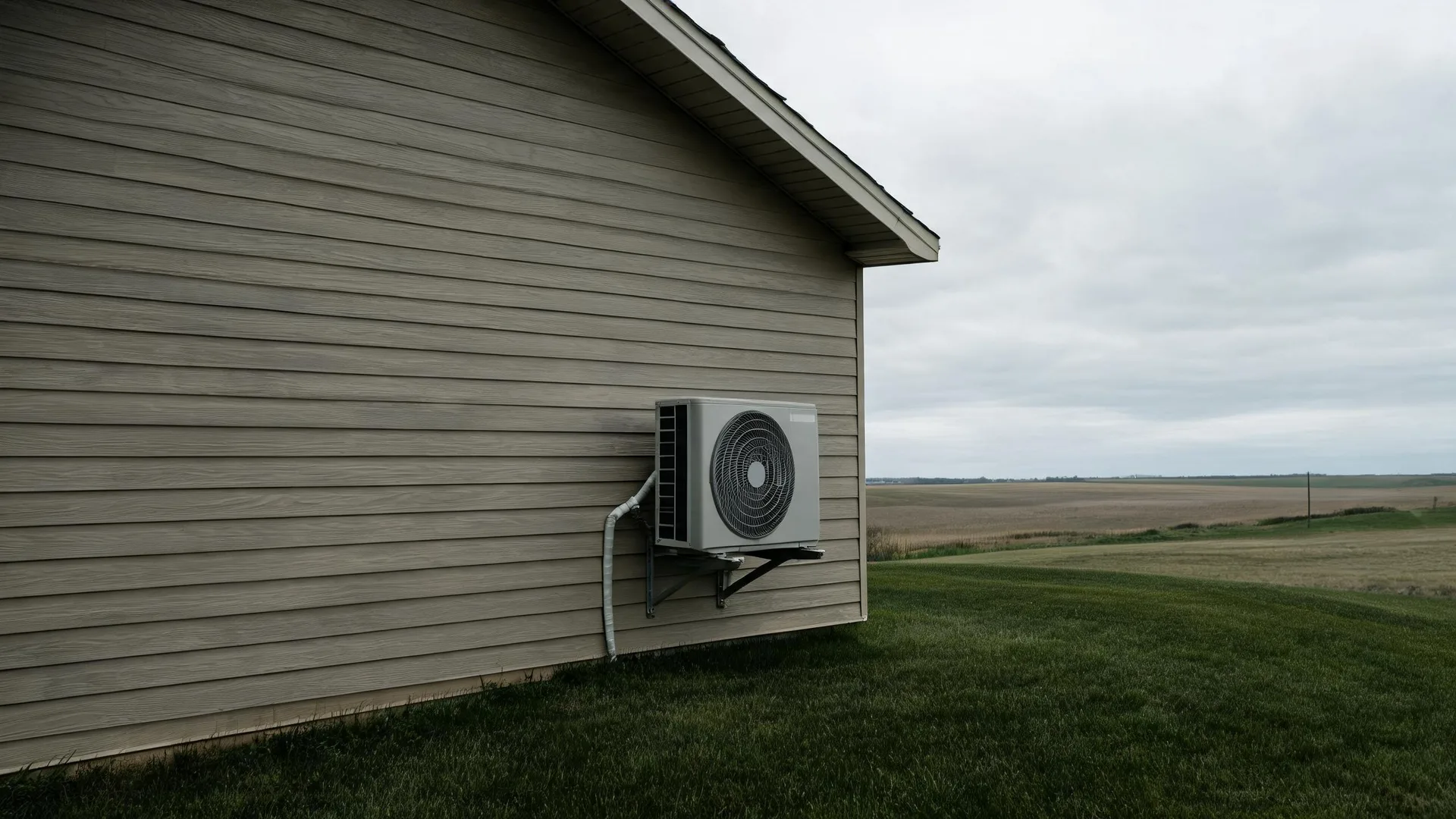
A mini-split compressor starts and stops every time the house calls for cooling, and in Osage County those calls stack up across a real stretch of the year. Homes in Osage County, KS run cooling about four months a year, from June through September. By the end of that run, the compressor contacts, the coil connections, and the refrigerant circuit have all been cycled hard. A contractor diagnosing a fault here checks the compressor and its electrical components before anything else, because that is where the accumulated load lands first.
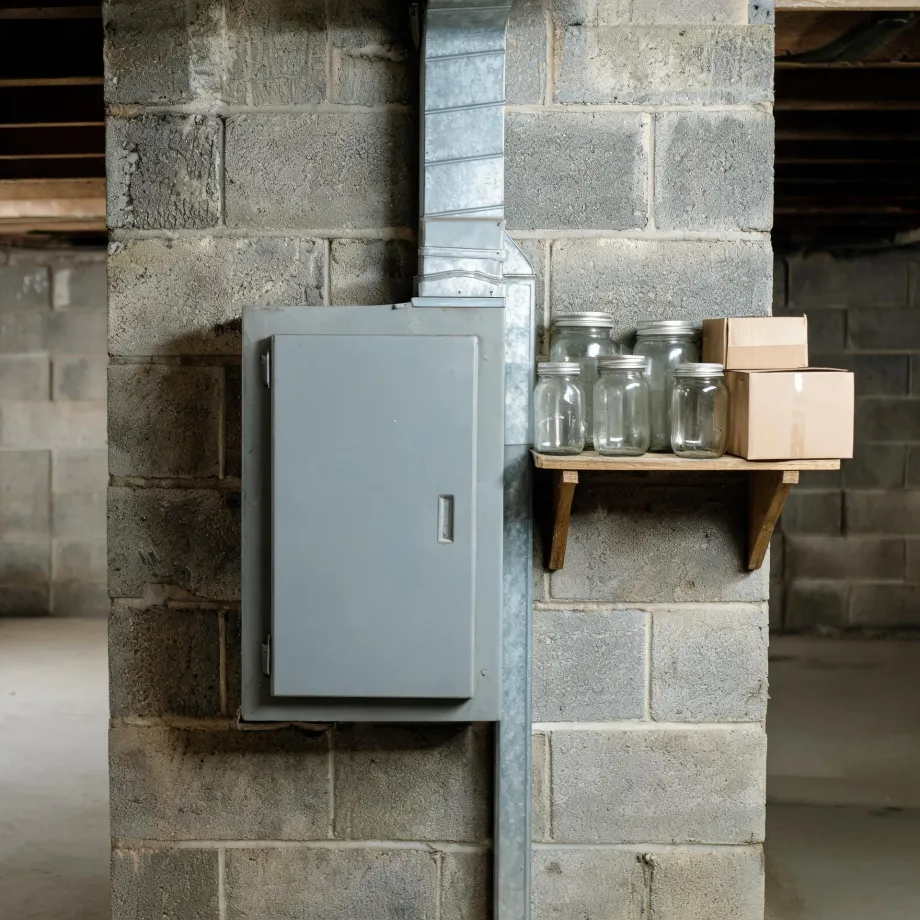
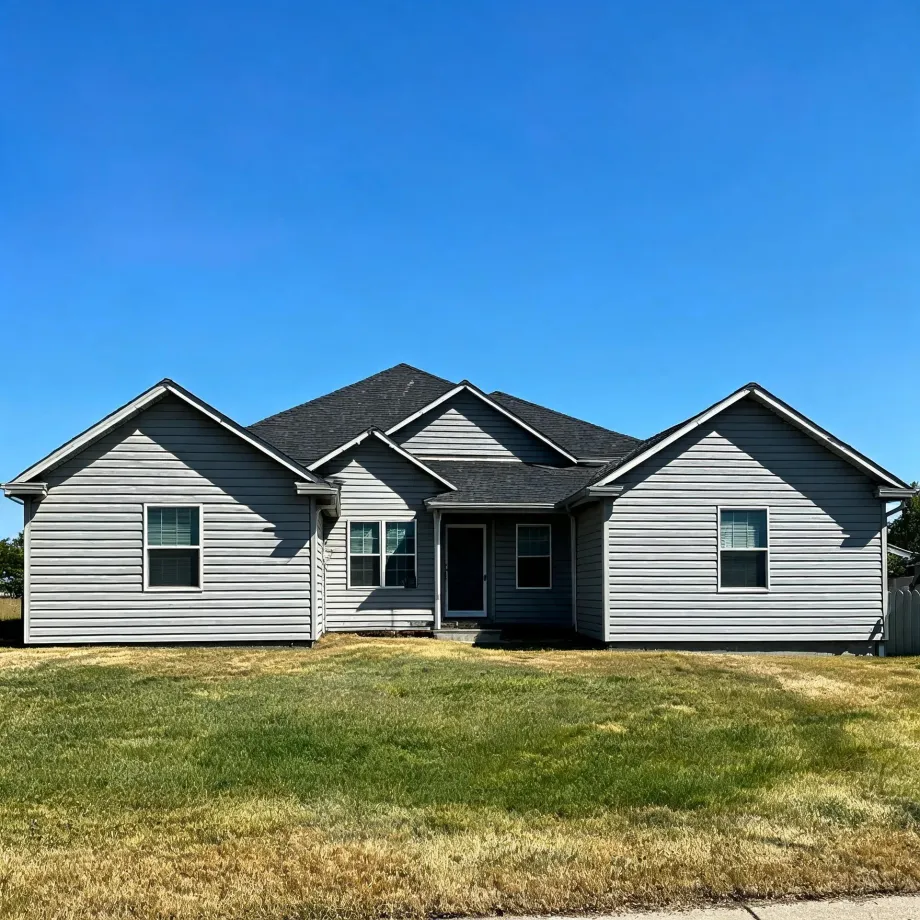
Half the homes in Osage County, Kansas were built in 1974 or earlier (2020-2024 ACS 5-year). A house that has carried successive generations of equipment through that span accumulates wiring decisions, disconnect configurations, and refrigerant line sets that made sense for whatever ran before. When a contractor opens a mini-split here, what determines the scope and the parts list is the condition of those connections, not the unit's model year. Corroded line set fittings or undersized wire runs change the repair before the refrigerant charge is even checked.
The Parts of a Mini-split a Contractor Checks First
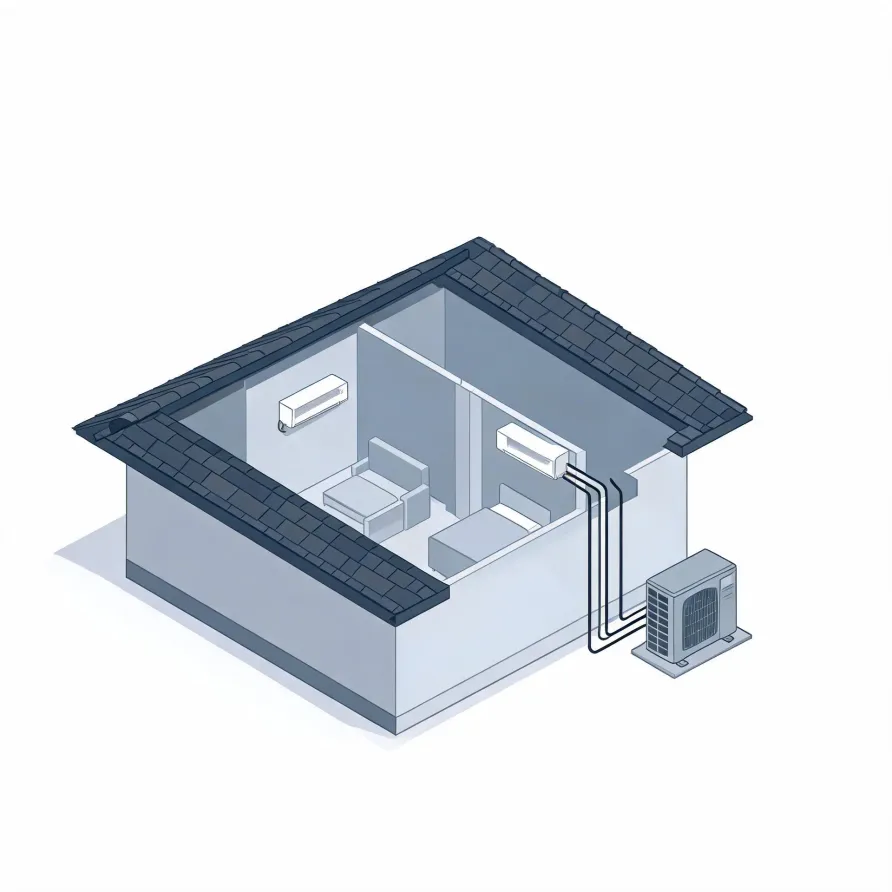
The indoor air handler mounts high on an interior wall and is the piece most homeowners notice. It holds the evaporator coil, a blower fan, and a filter. When cooling or heating stops, runs unevenly, or produces odd sounds, this unit is where a contractor looks first, because most faults show up here.
The outdoor condenser unit sits on a pad or bracket outside the house and holds the compressor and condenser coil. A refrigerant line set and a control wire run between the two units through a small penetration in the wall. A fault in the compressor, a refrigerant leak along the line set, or a failed control connection will each produce different symptoms that point a contractor to the right component.
The drawing shows a typical mini-split layout, and a licensed contractor determines which parts apply to your home and where the fault actually lies.
Find a contractor in Osage CountyOsage County, Kansas, by the numbers
157 severe weather events were recorded in Osage County, Kansas between 2015 and 2024.
NOAA National Centers for Environmental Information, Storm Events Database, bulk CSV export, events 2015-01-01 through 2024-12-31.Half the homes in Osage County, Kansas were built in 1974 or earlier (2020-2024 ACS 5-year).
U.S. Census Bureau, 2020-2024 American Community Survey 5-Year EstimatesOsage County, Kansas holds 7,337 housing units (2020-2024 ACS 5-year).
U.S. Census Bureau, 2020-2024 American Community Survey 5-Year EstimatesOwners occupy 82.4% of the occupied homes in Osage County, Kansas (2020-2024 ACS 5-year).
U.S. Census Bureau, 2020-2024 American Community Survey 5-Year EstimatesSevere Weather Events in Osage County
Weather puts real load on heating and cooling equipment, and that load shapes how often repairs are needed and how hard a system has to work between them. Knowing what the climate here actually does gives a clearer picture of what mini-split systems in this area are up against.
157 severe weather events, 2015–2024. Source: NOAA National Centers for Environmental Information, Storm Events Database.