Tell us about the job
Takes about a minute. No obligation.
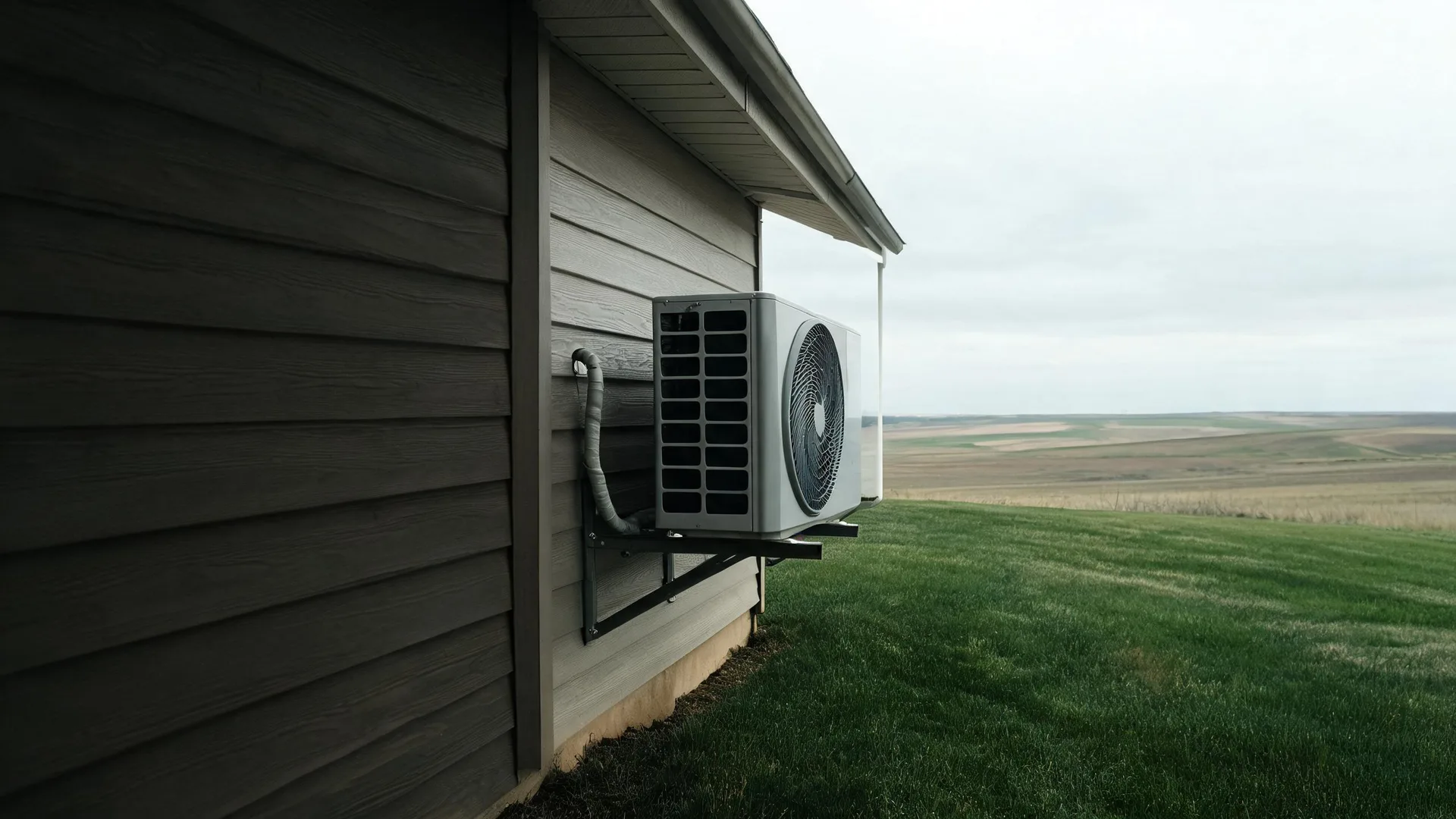
Sizing a mini-split for a Washington County home starts with knowing exactly what the compressor is being asked to do. Homes in Washington County, KS run cooling about three months a year, from June through August. A compressor that is undersized for the house works harder to pull heat out on the hottest afternoons, and a contractor who skips a proper load calculation will leave the homeowner with a unit that runs flat out and still falls short. The outdoor unit also needs to be placed and charged correctly before that first June heat arrives, because a refrigerant leak or a poorly matched indoor head shows itself immediately when demand peaks.
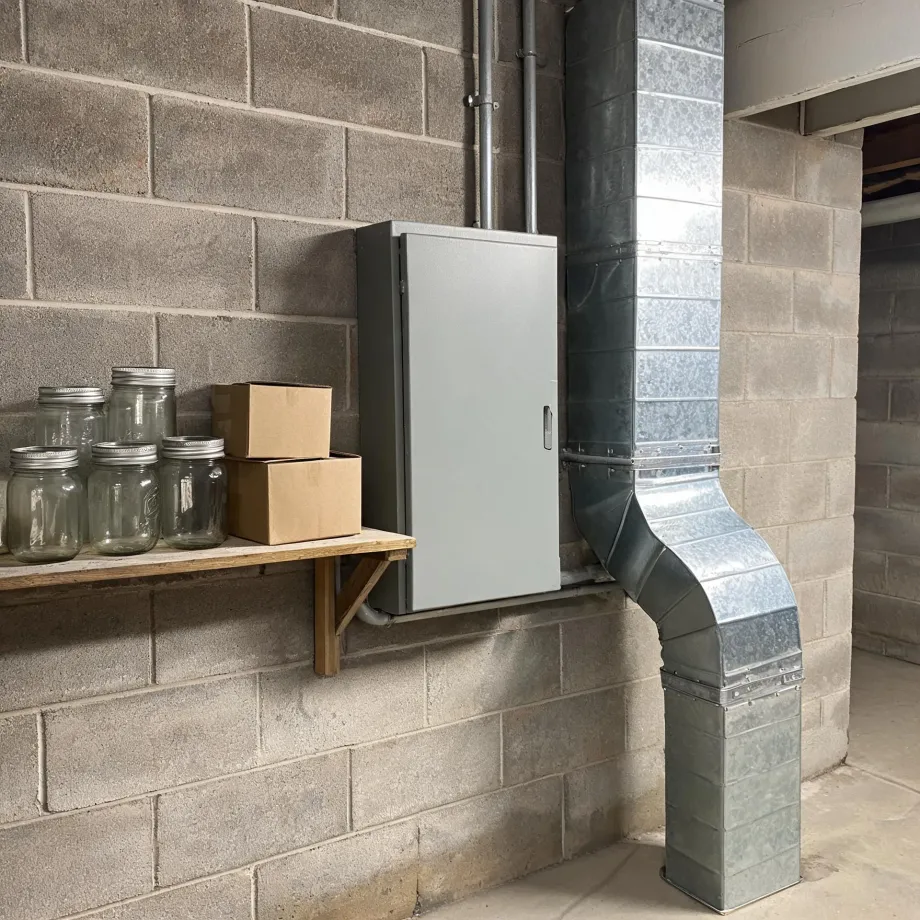
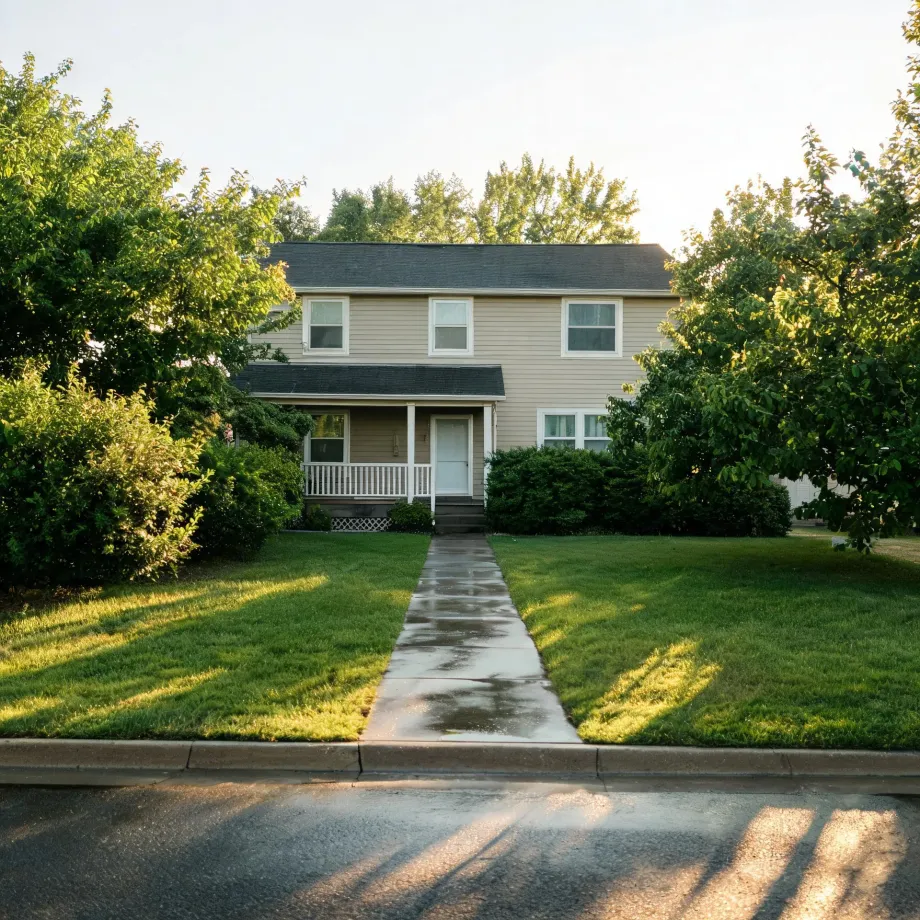
Electrical panels in houses built for an earlier generation of load are the variable that shapes a mini-split installation here more than any other. Half the homes in Washington County, Kansas were built in 1953 or earlier (2020-2024 ACS 5-year). A house that old was wired for a lighter draw, and the service panel a contractor finds may not accommodate what a mini-split compressor and air handler together demand. If the panel is undersized, that work comes before the unit goes in, and the quote reflects it.
What a Mini-split Puts in Your Home
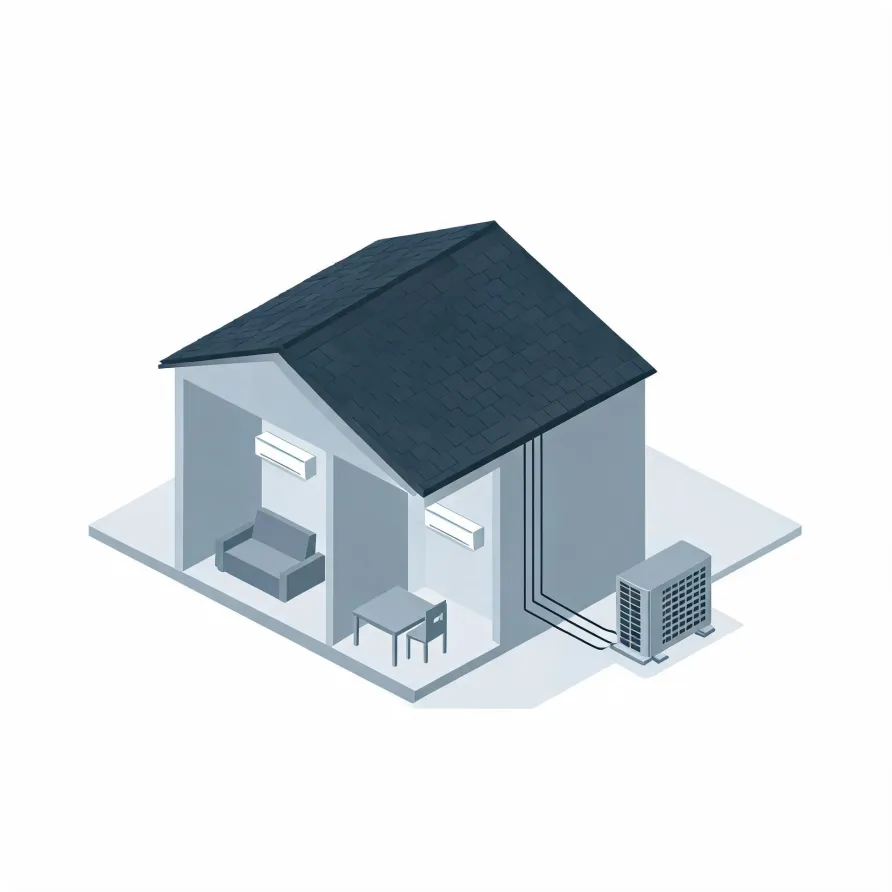
The indoor air handler mounts high on a wall inside the room being conditioned, where it draws in room air and delivers conditioned air back out. The outdoor condenser unit sits on the ground or a bracket outside the house and holds the compressor and the coil that does the heavy work of the system.
A refrigerant line set runs through a small hole in the wall to connect the two units, carrying refrigerant between them. A condensate drain line runs from the indoor unit to carry away moisture, and a power and communication cable ties the two units together so they operate as one system.
The drawing shows the typical layout of these components, and a licensed contractor determines exactly how they apply to your home.
Get matched in Washington CountyWashington County, Kansas, by the numbers
145 severe weather events were recorded in Washington County, Kansas between 2015 and 2024.
NOAA National Centers for Environmental Information, Storm Events Database, bulk CSV export, events 2015-01-01 through 2024-12-31.Half the homes in Washington County, Kansas were built in 1953 or earlier (2020-2024 ACS 5-year).
U.S. Census Bureau, 2020-2024 American Community Survey 5-Year EstimatesWashington County, Kansas holds 2,714 housing units (2020-2024 ACS 5-year).
U.S. Census Bureau, 2020-2024 American Community Survey 5-Year EstimatesOwners occupy 78.5% of the occupied homes in Washington County, Kansas (2020-2024 ACS 5-year).
U.S. Census Bureau, 2020-2024 American Community Survey 5-Year EstimatesSevere Weather in Washington County
Weather swings drive how hard heating and cooling equipment has to work, and how long it lasts. A system sized and installed for what Washington County actually delivers performs differently than one built to a generic spec.
145 severe weather events, 2015–2024. Source: NOAA National Centers for Environmental Information, Storm Events Database.