Tell us about the job
Takes about a minute. No obligation.
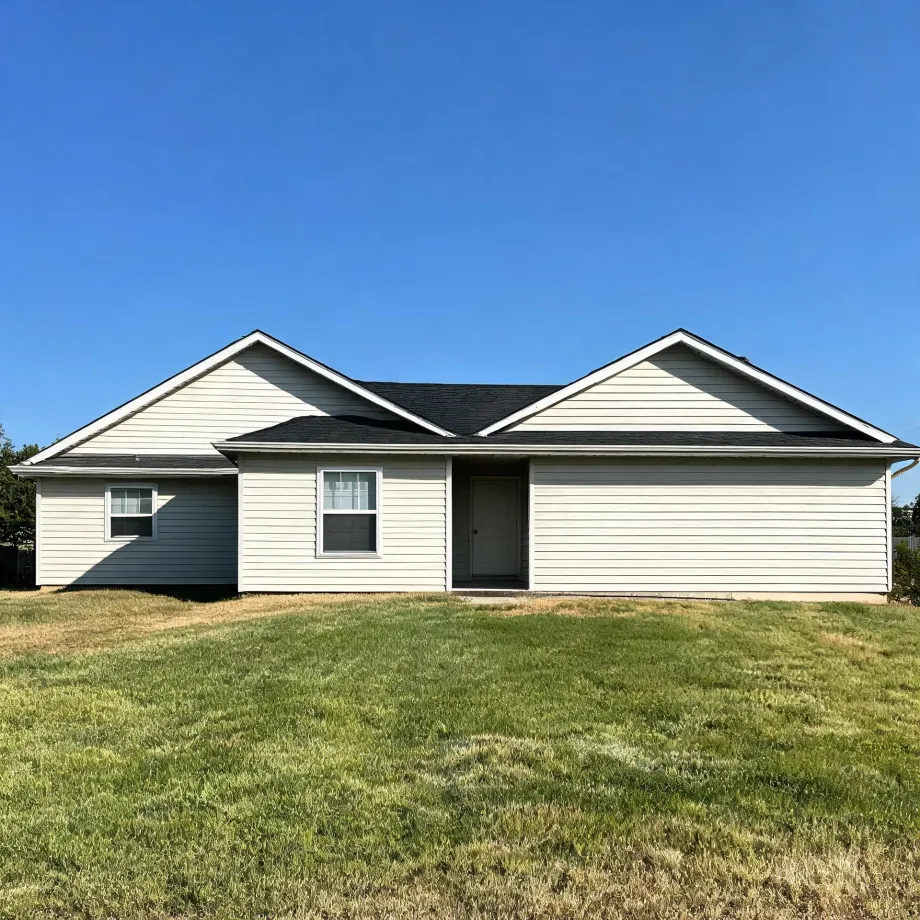
Sizing a mini-split for Phillips County means accounting for a cooling load that hits the compressor hard and then stops. Homes in Phillips County, KS run cooling about three months a year, from June through August. The compressor, the condenser fan, and the contactor all cycle through that demand in one concentrated stretch, leaving the refrigerant circuit and the electrical contacts little time to hide a marginal install. A contractor pricing the job has to run a real load calculation against the house envelope, not pull a unit size from a chart, because an undersized system runs longer cycles that wear the compressor faster than the season length alone would suggest.
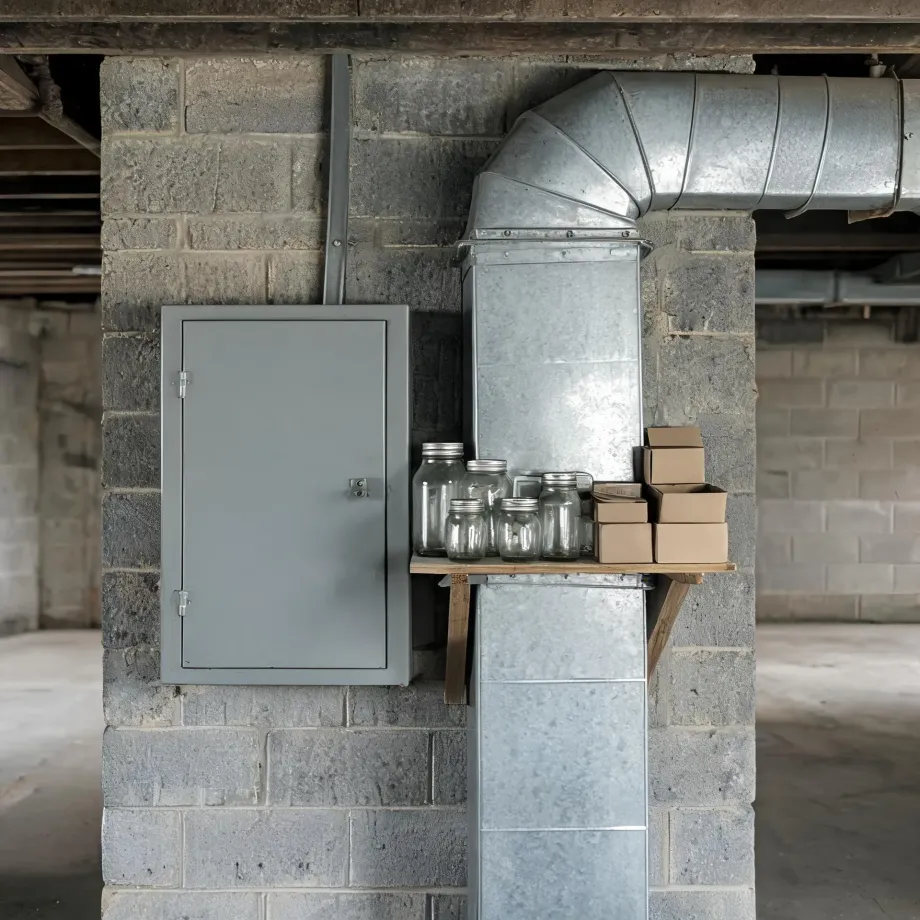
Ductwork in a house built for an earlier generation of heating and cooling was designed around whatever system occupied it then, and the electrical service was sized to match that load. Half the homes in Phillips County, Kansas were built in 1961 or earlier (2020-2024 ACS 5-year). A mini-split draws differently than what most of that stock was wired to carry, so the panel is what a contractor opens and prices around before anything else on an installation job here. The equipment selection follows that finding.
What a Mini-split Installation Puts in Your Home
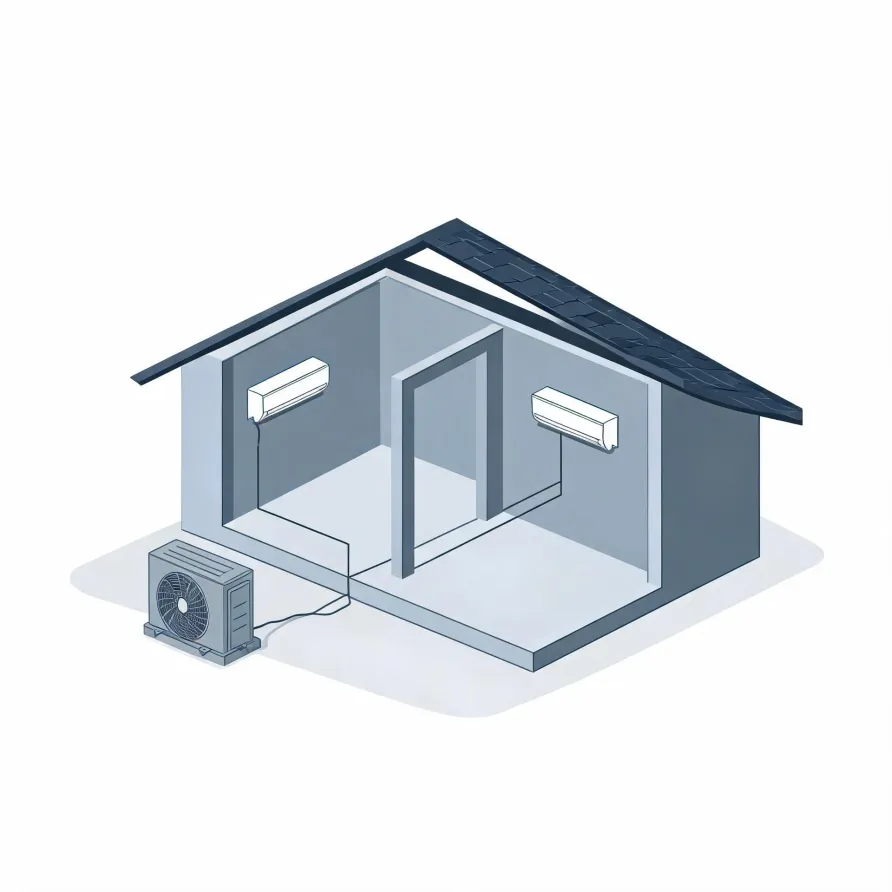
The indoor air handler mounts high on a wall inside the room being conditioned, where it delivers treated air directly into that space. Outside the house, the outdoor unit houses the compressor and sits on a pad or bracket against an exterior wall. Together these two units are the core of what a contractor installs.
A refrigerant line set runs through a small hole in the wall to connect the two units, carrying the working fluid between them. A condensate drain line runs from the indoor unit to direct moisture out of the house, and a power line ties the outdoor unit to its dedicated circuit.
The drawing shows a typical layout, and a licensed contractor determines exactly how each piece is positioned and routed for your specific home.
Find a contractor in Phillips CountyPhillips County by the numbers
189 severe weather events were recorded in Phillips County, Kansas between 2015 and 2024.
NOAA National Centers for Environmental Information, Storm Events Database, bulk CSV export, events 2015-01-01 through 2024-12-31.Half the homes in Phillips County, Kansas were built in 1961 or earlier (2020-2024 ACS 5-year).
U.S. Census Bureau, 2020-2024 American Community Survey 5-Year EstimatesPhillips County, Kansas holds 2,790 housing units (2020-2024 ACS 5-year).
U.S. Census Bureau, 2020-2024 American Community Survey 5-Year EstimatesOwners occupy 78.0% of the occupied homes in Phillips County, Kansas (2020-2024 ACS 5-year).
U.S. Census Bureau, 2020-2024 American Community Survey 5-Year EstimatesSevere Weather Events in Phillips County
Phillips County's climate puts real demands on heating and cooling equipment, and those demands shape what a properly sized and installed mini-split system needs to handle. Knowing the local weather record is part of getting that installation right.
189 severe weather events, 2015–2024. Source: NOAA National Centers for Environmental Information, Storm Events Database.