Tell us about the job
Takes about a minute. No obligation.
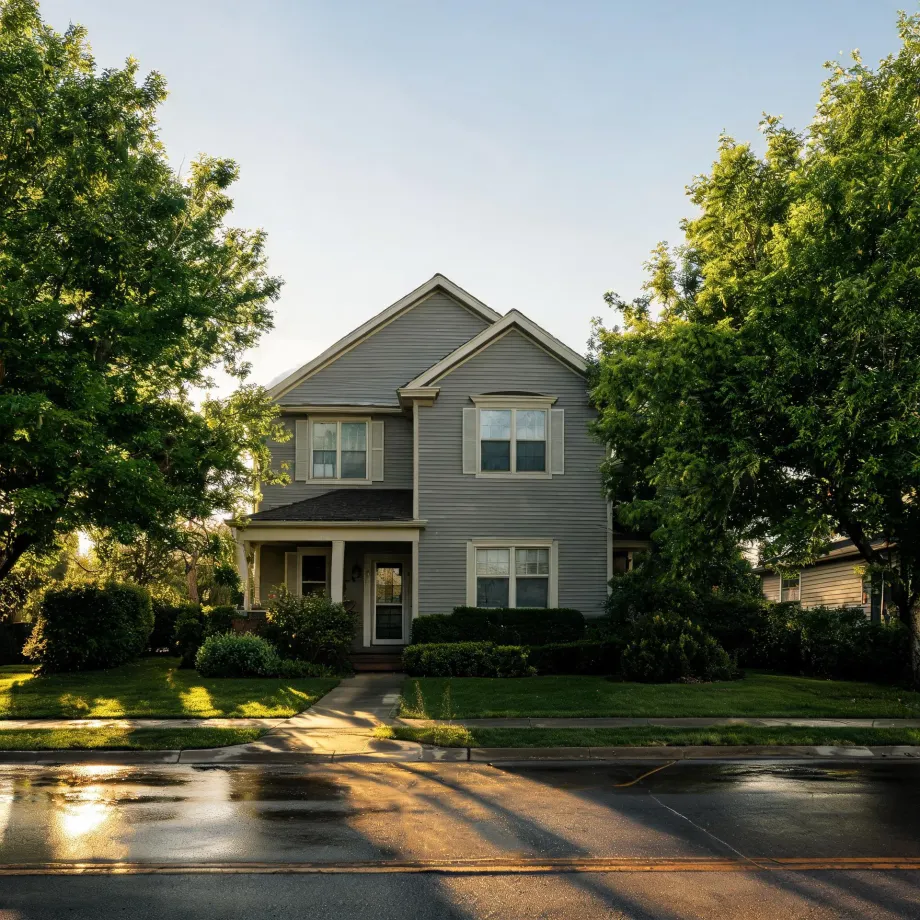
Sizing a mini-split for a Jewell County home starts with what the compressor is actually asked to do each year. Homes in Jewell County, KS run cooling about three months a year, from June through August. The compressor sits idle for most of the calendar, and that long rest is where trouble hides. A refrigerant leak, a failing contactor, a coil that was never seated correctly at install: none of these announce themselves until the unit starts up in June. A contractor doing the installation right accounts for this by commissioning the system fully, not just powering it on and leaving.
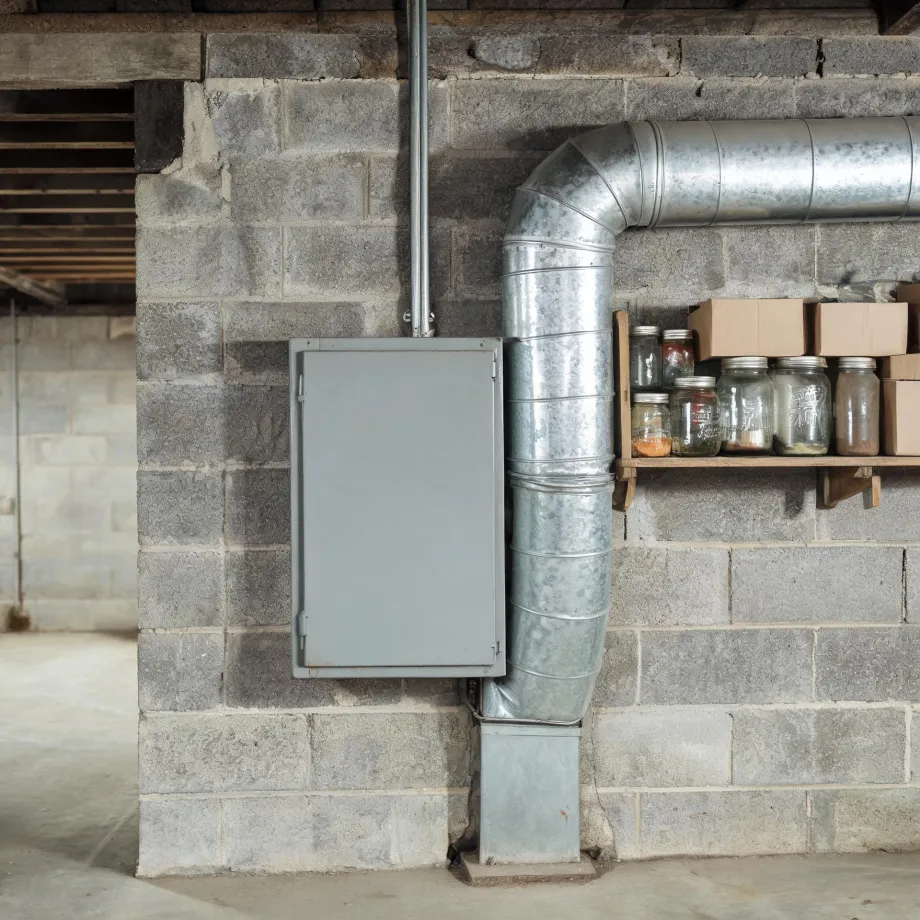
Older electrical service panels are where mini-split installations in Jewell County most often run into trouble. Half the homes in Jewell County, Kansas were built in 1945 or earlier (2020-2024 ACS 5-year). Houses built by that point were wired for loads that bear little resemblance to what a modern mini-split draws, and a contractor quoting the job will assess the panel before pricing anything else. If the existing service cannot carry the new unit, an electrical upgrade goes on the scope and the bill alongside it.
What a Mini-split Looks Like as a Installed System
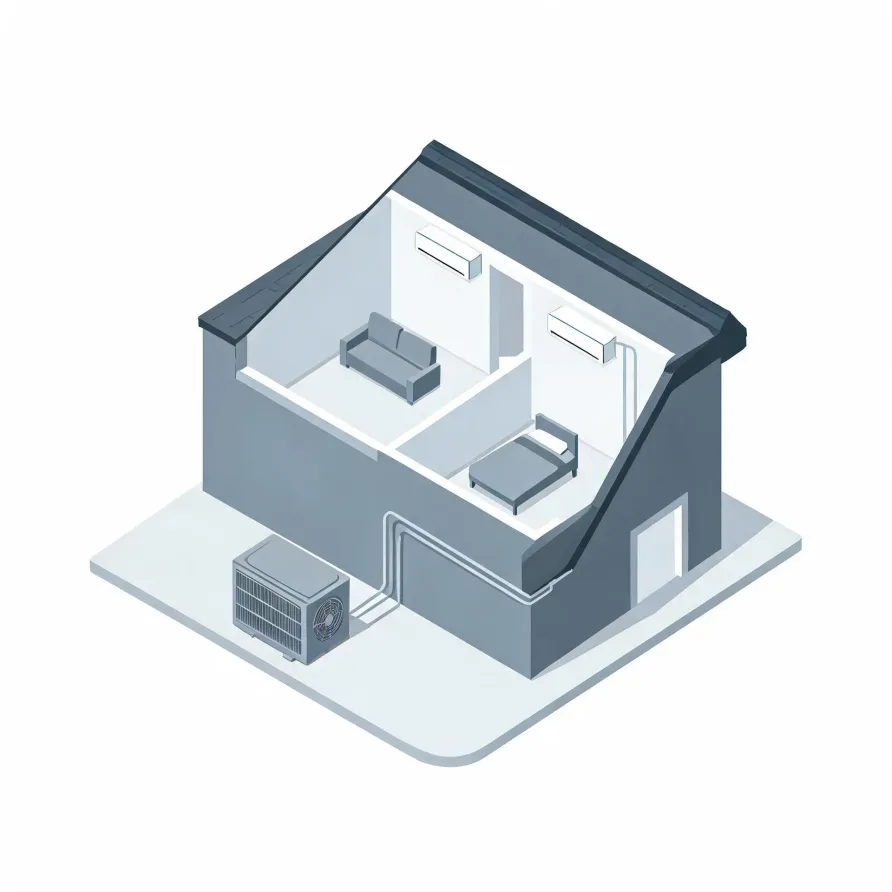
The indoor air handler mounts high on an interior wall, inside the room being conditioned. It is the piece a homeowner sees every day. The outdoor condenser unit sits on a pad or bracket outside the house and holds the compressor and the fan that moves heat between inside and outside.
A refrigerant line set runs through a small hole in the wall and connects the two units, carrying refrigerant between them. A condensate drain line runs from the indoor unit to the outside, removing moisture the handler pulls from the air. A dedicated electrical circuit feeds the outdoor unit.
The drawing shows the general layout of these components, and a licensed contractor determines what applies to the specifics of your house.
Find a contractor in Jewell CountyJewell County, Kansas, by the numbers
134 severe weather events were recorded in Jewell County, Kansas between 2015 and 2024.
NOAA National Centers for Environmental Information, Storm Events Database, bulk CSV export, events 2015-01-01 through 2024-12-31.Half the homes in Jewell County, Kansas were built in 1945 or earlier (2020-2024 ACS 5-year).
U.S. Census Bureau, 2020-2024 American Community Survey 5-Year EstimatesJewell County, Kansas holds 1,761 housing units (2020-2024 ACS 5-year).
U.S. Census Bureau, 2020-2024 American Community Survey 5-Year EstimatesOwners occupy 74.1% of the occupied homes in Jewell County, Kansas (2020-2024 ACS 5-year).
U.S. Census Bureau, 2020-2024 American Community Survey 5-Year EstimatesSevere Weather Events in Jewell County
Weather patterns in Jewell County put real demands on heating and cooling equipment over its working life. A mini-split sized and installed for local conditions holds up differently than one that was not, which makes the weather record a practical input for any installation decision here.
134 severe weather events, 2015–2024. Source: NOAA National Centers for Environmental Information, Storm Events Database.