Tell us about the job
Takes about a minute. No obligation.
A mini-split compressor in this area runs hard through a short window, cycling on and off through the heat of the day without the long off-season that would otherwise hide early wear. Homes in Hamilton County, KS run cooling about three months a year, from June through August. The compressor and its contactor absorb every start and stop in that window, and that pattern of concentrated stress is what a contractor is looking for when the unit fails. Refrigerant charge, contactor condition, and coil cleanliness all show the effects of a season that asks a lot in a short time.
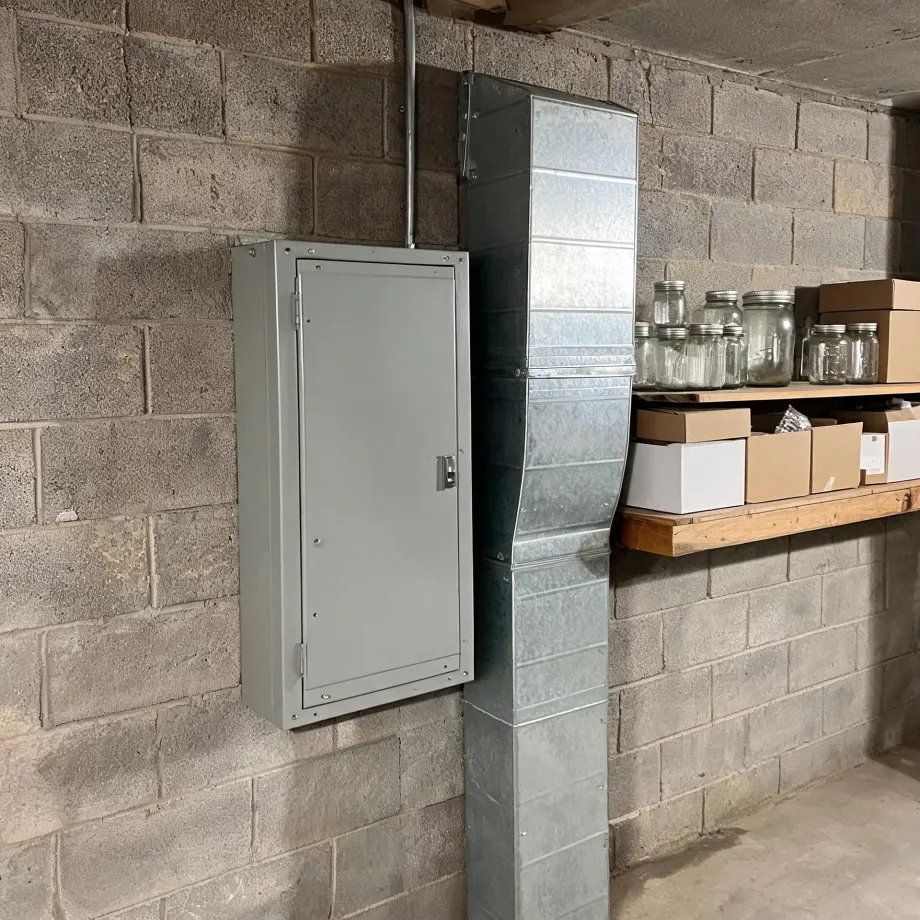
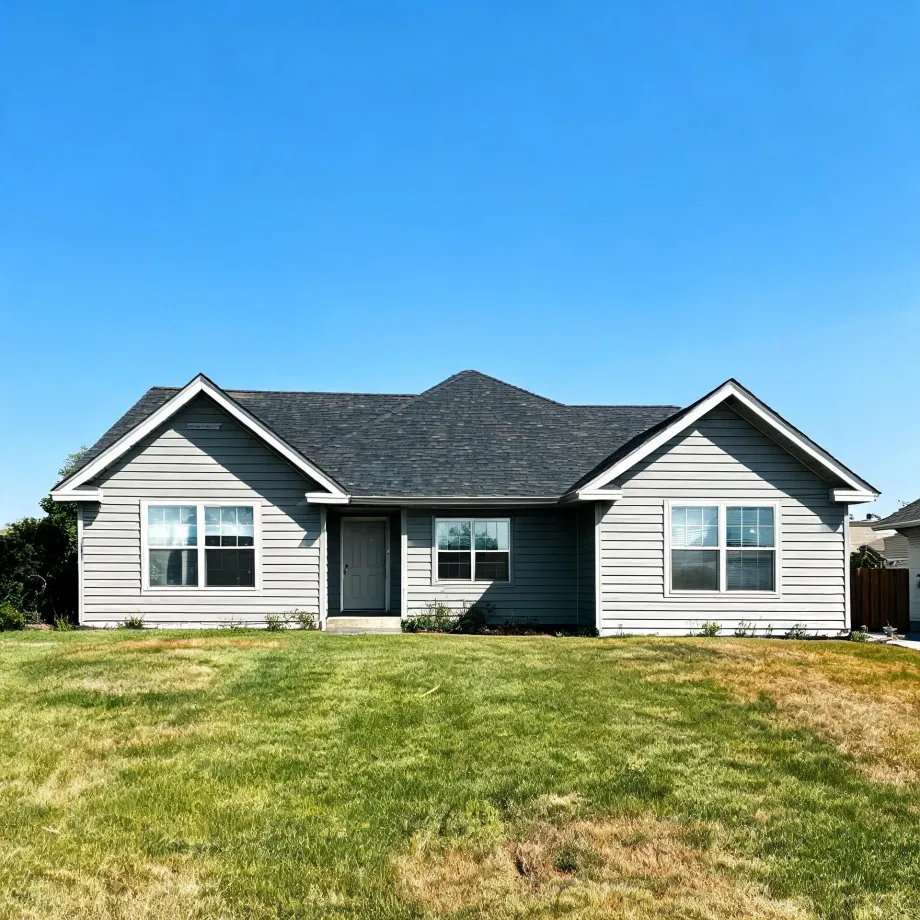
Mini-split repairs in stock this old are settled inside the unit itself. Half the homes in Hamilton County, Kansas were built in 1970 or earlier (2020-2024 ACS 5-year). That gap between the building and what now runs in it means the house was adapted, not built around the current equipment, so the walls and the wiring are unlikely to be what stops a repair. What stops it is whether the part a contractor pulls out of the opened system is still manufactured. Refrigerant line sets, capacitors, control boards: availability on aged units varies, and that is what shapes the scope and the bill.
The Parts of a Mini-split a Contractor Checks First
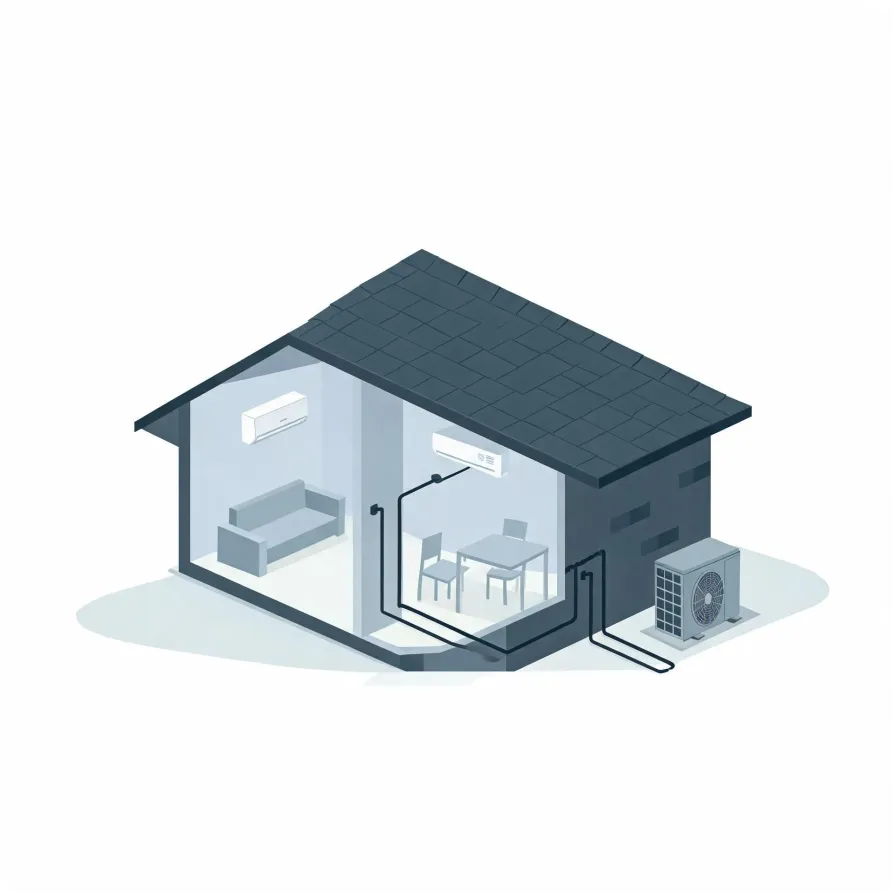
The indoor air handler mounts high on a wall inside the room and moves conditioned air across the space. When it fails, the symptom usually shows up there first: weak airflow, odd smells, or ice on the unit. The evaporator coil and the blower wheel inside it are the pieces a contractor looks at closely.
The outdoor condenser unit sits on the ground or on a wall bracket outside and holds the compressor and the condenser coil. The refrigerant line set runs between the two units through a small opening in the wall, and the condensate drain carries moisture away from the indoor side. A fault in any of these can trace back to either unit.
The drawing shows a typical layout, and a licensed contractor determines which parts apply to your specific setup.
Get matched in Hamilton CountyHamilton County, Kansas, by the numbers
169 severe weather events were recorded in Hamilton County, Kansas between 2015 and 2024.
NOAA National Centers for Environmental Information, Storm Events Database, bulk CSV export, events 2015-01-01 through 2024-12-31.Half the homes in Hamilton County, Kansas were built in 1970 or earlier (2020-2024 ACS 5-year).
U.S. Census Bureau, 2020-2024 American Community Survey 5-Year EstimatesHamilton County, Kansas holds 1,014 housing units (2020-2024 ACS 5-year).
U.S. Census Bureau, 2020-2024 American Community Survey 5-Year EstimatesOwners occupy 77.1% of the occupied homes in Hamilton County, Kansas (2020-2024 ACS 5-year).
U.S. Census Bureau, 2020-2024 American Community Survey 5-Year EstimatesSevere Weather Events in Hamilton County
Extreme weather puts real strain on heating and cooling equipment, shortening service life and driving repair needs. How often conditions here push systems hard is a local fact, and it shapes what mini-split owners in Hamilton County actually deal with.
169 severe weather events, 2015–2024. Source: NOAA National Centers for Environmental Information, Storm Events Database.