Tell us about the job
Takes about a minute. No obligation.
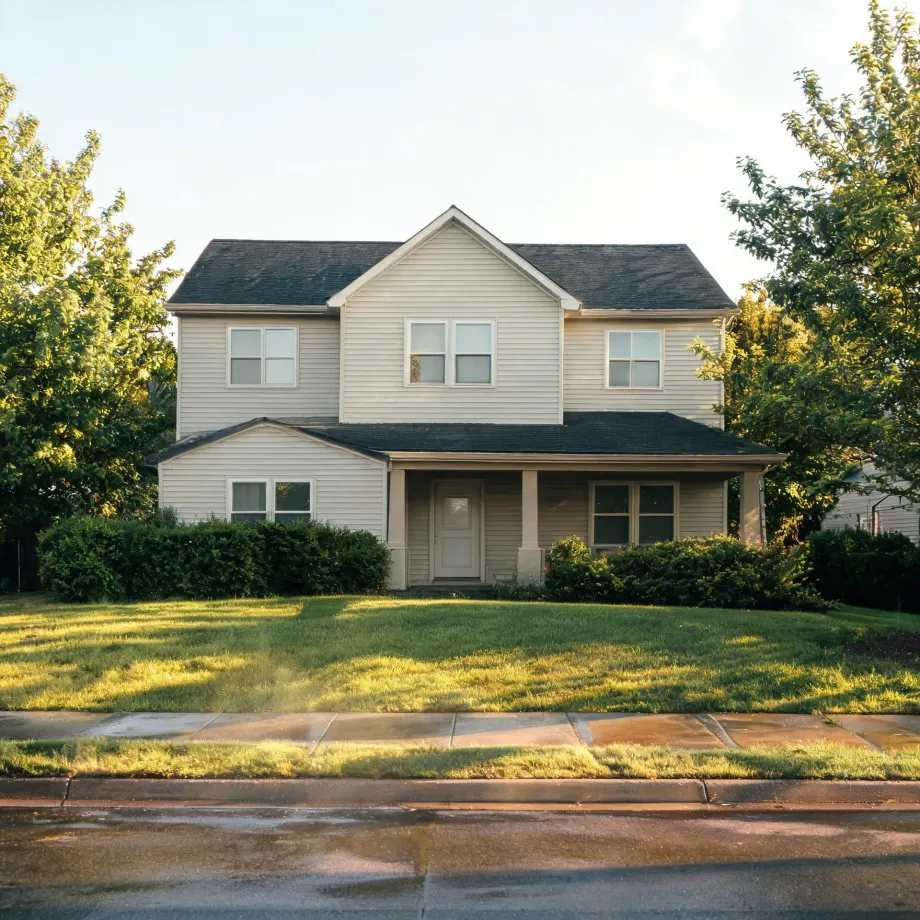
A contractor quoting a mini-split repair in Riley County starts with the compressor. Homes in Riley County, KS run cooling about four months a year, from June through September. That window is short enough that every start cycle, every hour of heat rejection, lands in a tight block of calendar. The contactor takes repeated electrical stress across those same months, and a worn contactor can push the compressor into hard starts that accelerate bearing wear. By the time a homeowner notices something wrong, the compressor has already logged a full season of that load since its last inspection.
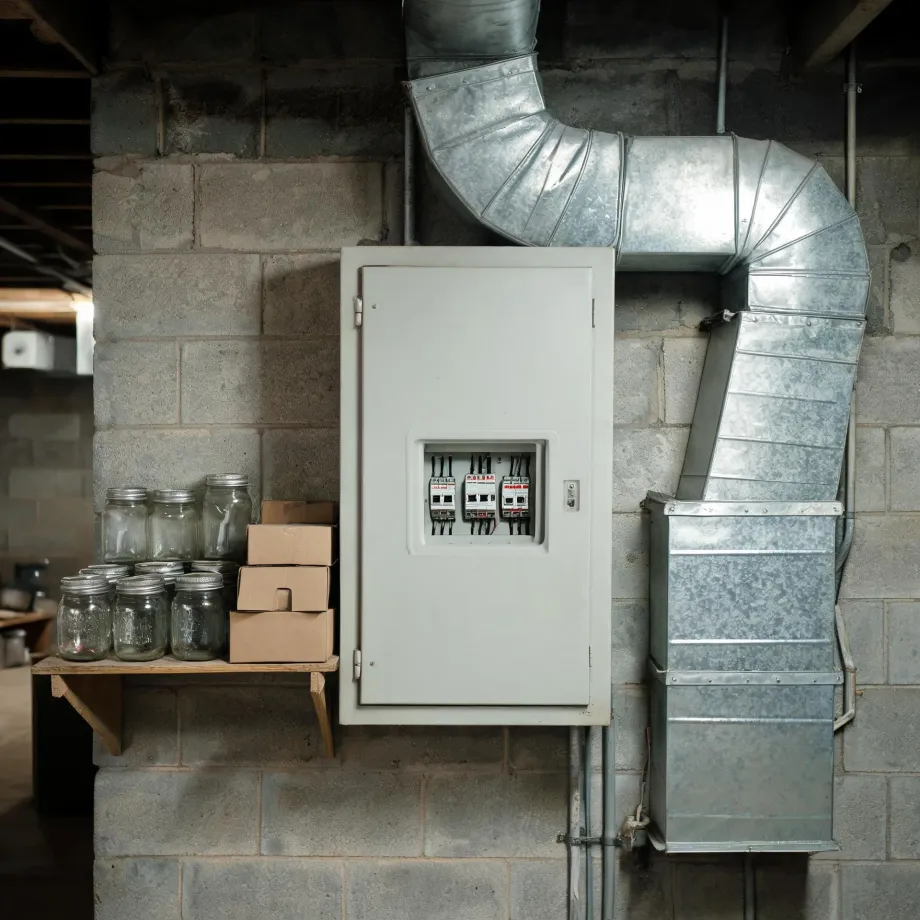
Half the homes in Riley County, Kansas were built in 1984 or earlier (2020-2024 ACS 5-year). A house retrofitted over the years to carry newer equipment is unlikely to be what stops a mini-split repair here. What a contractor finds once the unit is open decides the job: a failed capacitor, a refrigerant leak, a corroded connection on the board. Those are equipment faults, and the parts a system of that vintage takes are either stocked or they are not. The house is not the variable.
The Parts of a Mini-split a Contractor Checks First
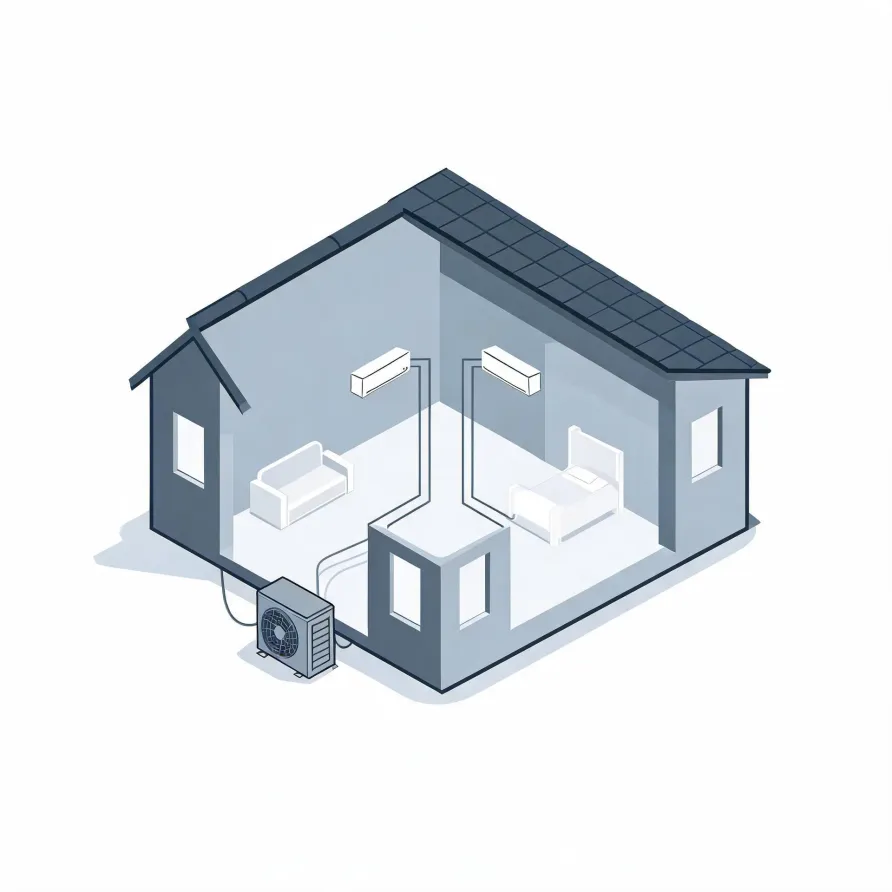
The indoor air handler mounts high on a wall inside the room and is the piece a homeowner notices most. It pulls room air across a coil and a blower to move conditioned air back into the space. When cooling or heating drops off, makes noise, or stops altogether, the handler and its coil are where a contractor looks first.
The outdoor condenser unit sits on a pad or bracket outside the house and holds the compressor and the condensing coil. A refrigerant line set and a power and signal cable run through the wall to connect the two units. The compressor and the outdoor coil are the other primary suspects when the system is not performing.
The drawing shows the general layout of a mini-split system, and a licensed contractor determines which components and conditions apply to your specific home.
Find a contractor in Riley CountyRiley County by the numbers
187 severe weather events were recorded in Riley County, Kansas between 2015 and 2024.
NOAA National Centers for Environmental Information, Storm Events Database, bulk CSV export, events 2015-01-01 through 2024-12-31.Half the homes in Riley County, Kansas were built in 1984 or earlier (2020-2024 ACS 5-year).
U.S. Census Bureau, 2020-2024 American Community Survey 5-Year EstimatesRiley County, Kansas holds 30,755 housing units (2020-2024 ACS 5-year).
U.S. Census Bureau, 2020-2024 American Community Survey 5-Year EstimatesOwners occupy 46.1% of the occupied homes in Riley County, Kansas (2020-2024 ACS 5-year).
U.S. Census Bureau, 2020-2024 American Community Survey 5-Year EstimatesSevere Weather Events in Riley County
Weather puts direct stress on heating and cooling equipment, and how hard that equipment works over time is shaped by what the local climate throws at it. Repair needs in Riley County track that load.
187 severe weather events, 2015–2024. Source: NOAA National Centers for Environmental Information, Storm Events Database.