Tell us about the job
Takes about a minute. No obligation.
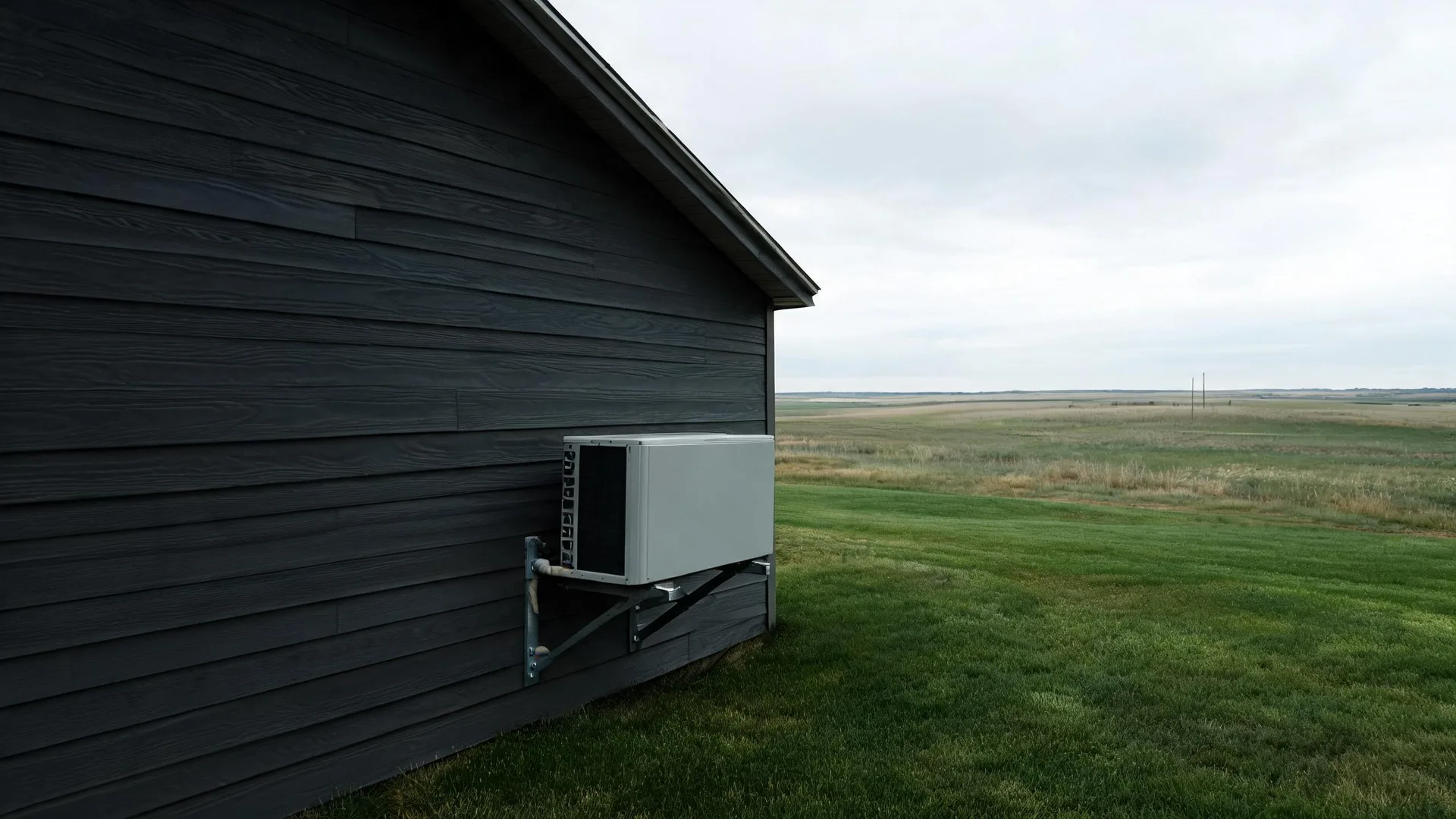
On a mini-split repair call in Greenwood County, a contractor works backward from the compressor first. Homes in Greenwood County, KS run cooling about four months a year, from June through September. That compressor has been starting, running, and shutting down on every warm day across those months, and the contactor and condenser fan share that same cycle count. Wear on those parts is the place to begin a diagnosis, because that is where the load lands. A refrigerant leak or a control board fault can wait in the queue; the compressor and the components that switch it on and off get opened first.
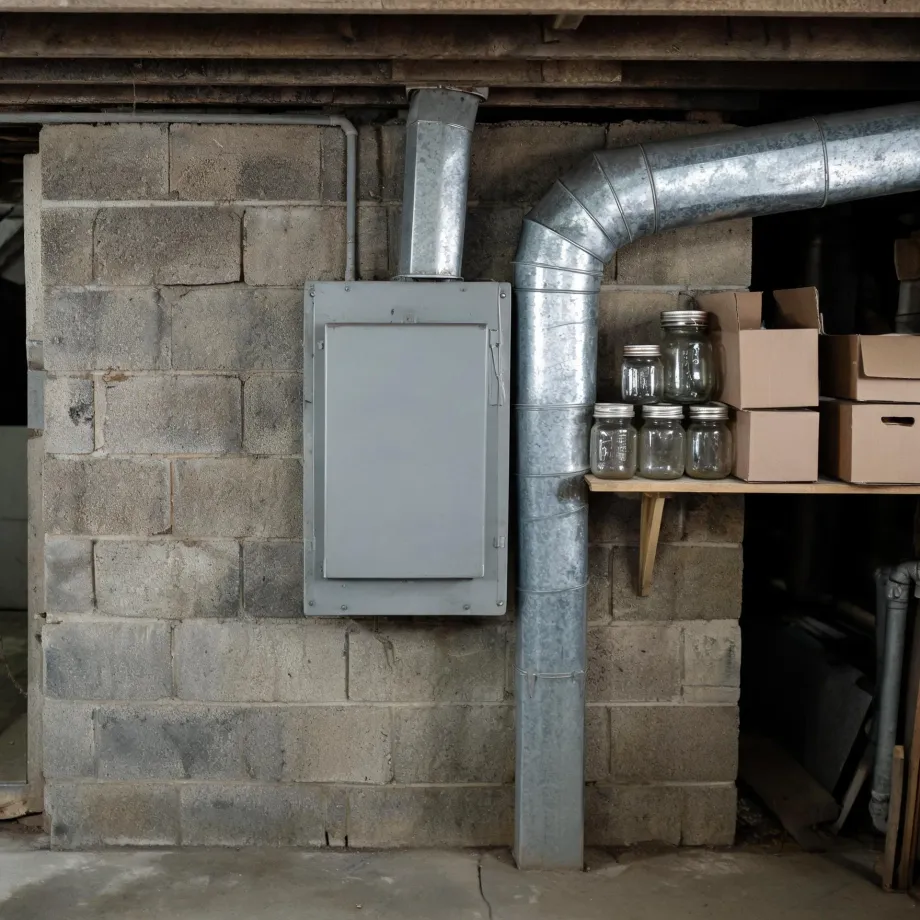
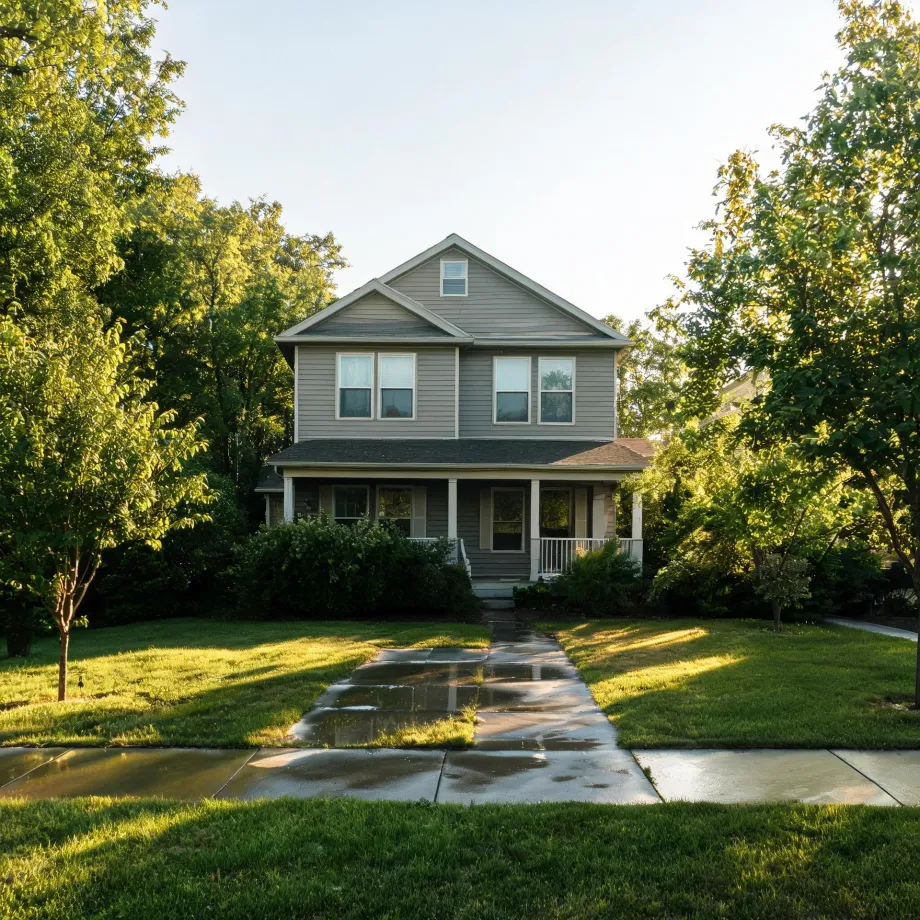
Half the homes in Greenwood County, Kansas were built in 1956 or earlier (2020-2024 ACS 5-year). A mini-split running in a house from that era sits on top of electrical and structural decisions made for something entirely different. When a contractor opens the unit and finds a failed component, the repair question shifts: whether the part is still made for a system of that vintage, and whether the wiring feeding it was ever rated for what it now carries. Those two answers shape the scope of the job more than the fault code does.
The Parts of a Mini-split a Contractor Checks First
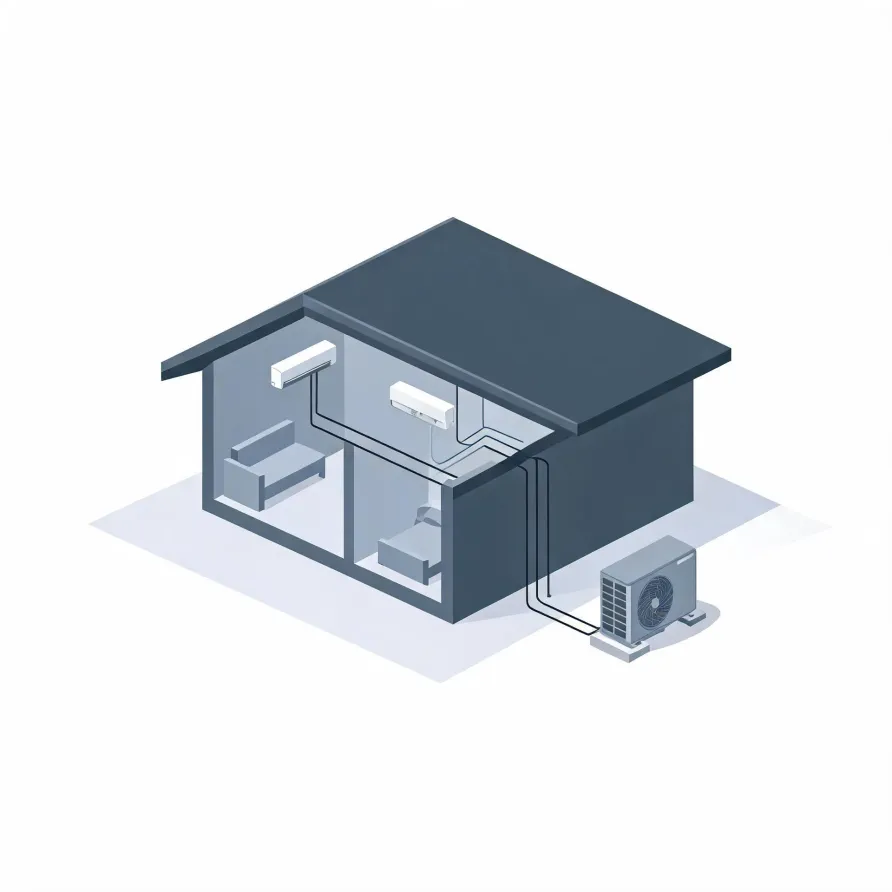
The indoor air handler mounts high on a wall inside the room and is the piece a homeowner sees every day. Its blower, evaporator coil, and filter are the first things a contractor opens up, because a refrigerant leak, a frozen coil, or a failed blower motor all show up here before they show up anywhere else.
The outdoor condenser unit sits on a pad or bracket outside the house and holds the compressor and the condensing coil. The refrigerant lines and the control wiring run between the two units through a small penetration in the wall, and faults in either the compressor or the line set are common reasons a system stops doing its job.
The drawing shows a typical mini-split layout, and a licensed contractor determines which components apply to your specific installation.
Find a contractor in Greenwood CountyGreenwood County, Kansas, by the numbers
120 severe weather events were recorded in Greenwood County, Kansas between 2015 and 2024.
NOAA National Centers for Environmental Information, Storm Events Database, bulk CSV export, events 2015-01-01 through 2024-12-31.Half the homes in Greenwood County, Kansas were built in 1956 or earlier (2020-2024 ACS 5-year).
U.S. Census Bureau, 2020-2024 American Community Survey 5-Year EstimatesGreenwood County, Kansas holds 3,666 housing units (2020-2024 ACS 5-year).
U.S. Census Bureau, 2020-2024 American Community Survey 5-Year EstimatesOwners occupy 80.5% of the occupied homes in Greenwood County, Kansas (2020-2024 ACS 5-year).
U.S. Census Bureau, 2020-2024 American Community Survey 5-Year EstimatesSevere Weather Events in Greenwood County
Stress from weather extremes accumulates in heating and cooling equipment over time. What the climate does in this county shapes how hard the hardware works and how often it needs attention.
120 severe weather events, 2015–2024. Source: NOAA National Centers for Environmental Information, Storm Events Database.