Tell us about the job
Takes about a minute. No obligation.
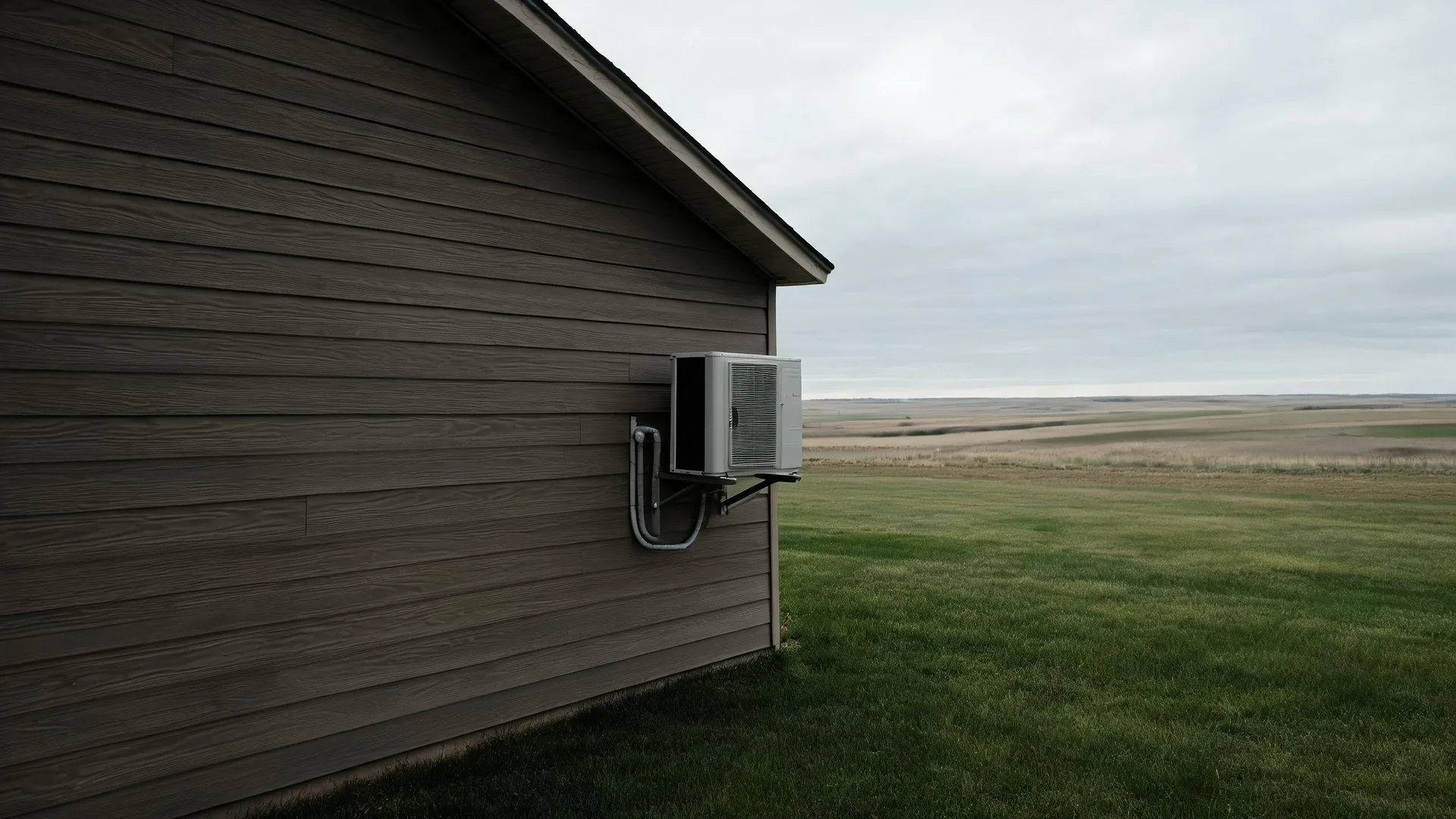
Sizing a mini-split for a Stafford County home starts with what the compressor is being asked to carry. Homes in Stafford County, KS run cooling about four months a year, from June through September. A compressor that starts and stops through those months accumulates wear on its contactor and refrigerant circuit in direct proportion to how well the original load calculation matched the house. An installer who undersizes the outdoor unit leaves it running longer per cycle to hit setpoint, which is where the refrigerant circuit takes the punishment. Get the Manual J right, and the system earns its idle time in October.
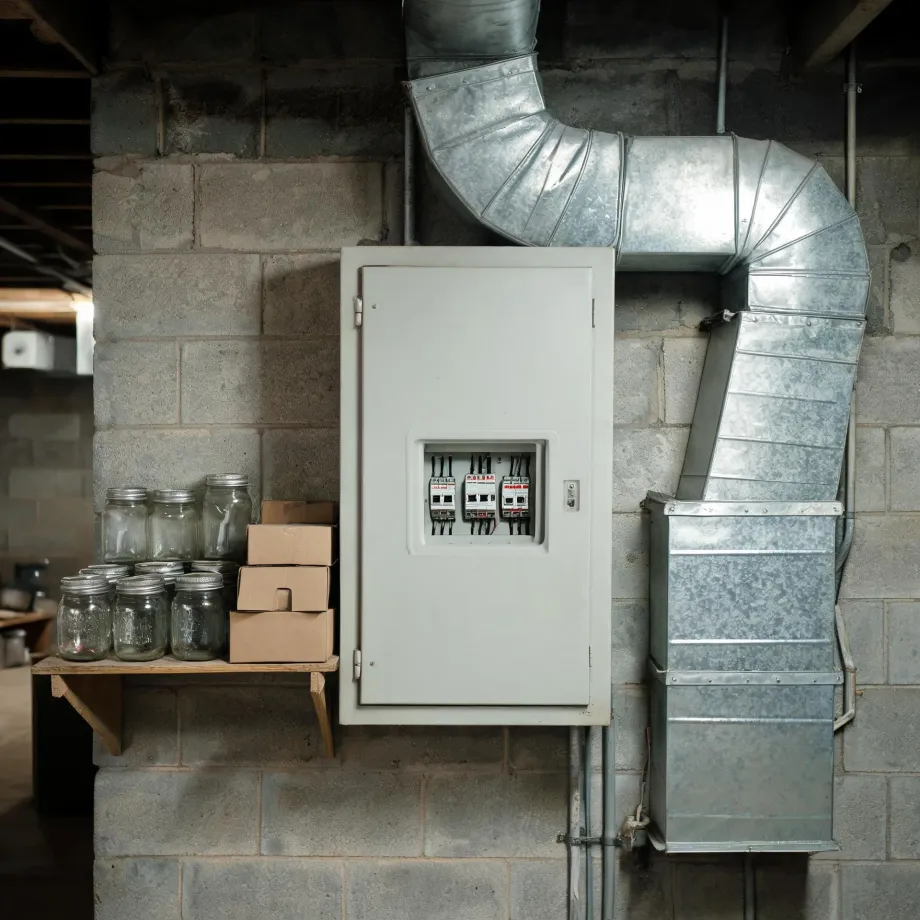
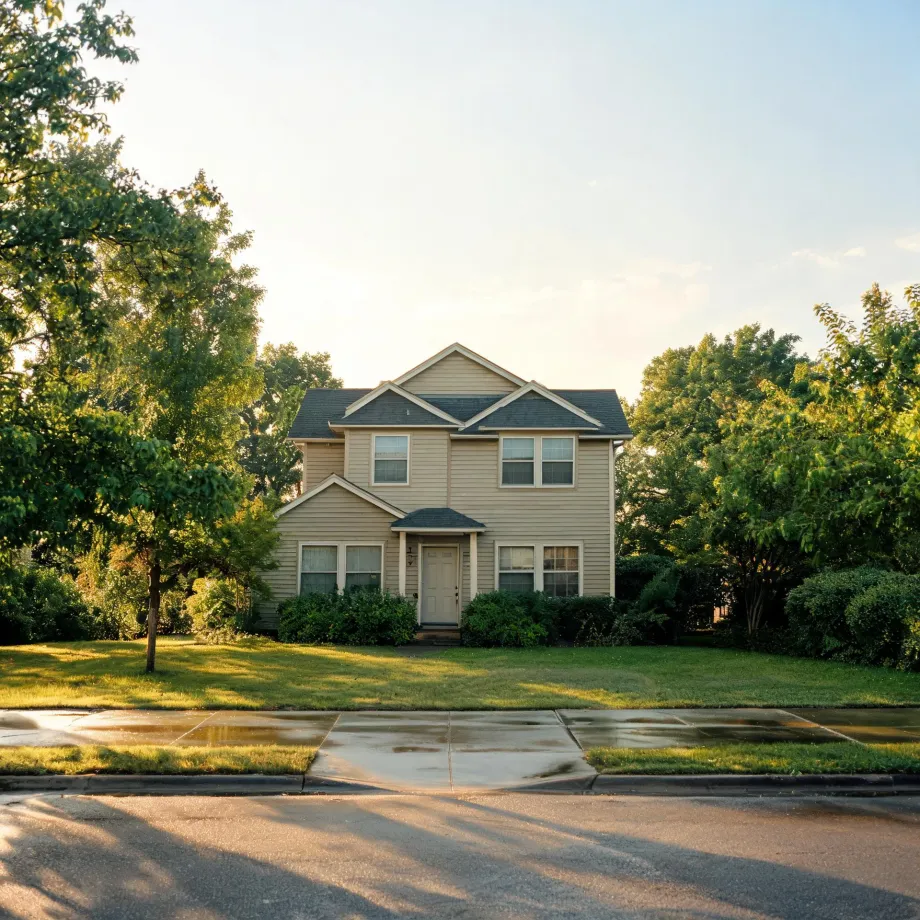
Wiring put in before modern HVAC equipment existed was sized for something smaller. Half the homes in Stafford County, Kansas were built in 1951 or earlier (2020-2024 ACS 5-year). A contractor quoting a mini-split here looks at the electrical service before anything else, because a panel that was adequate for what the house originally ran often falls short of what an outdoor compressor and multiple air handlers will draw. That gap is what gets priced and resolved before the new equipment goes in.
What a Mini-split Involves When It Gets Installed
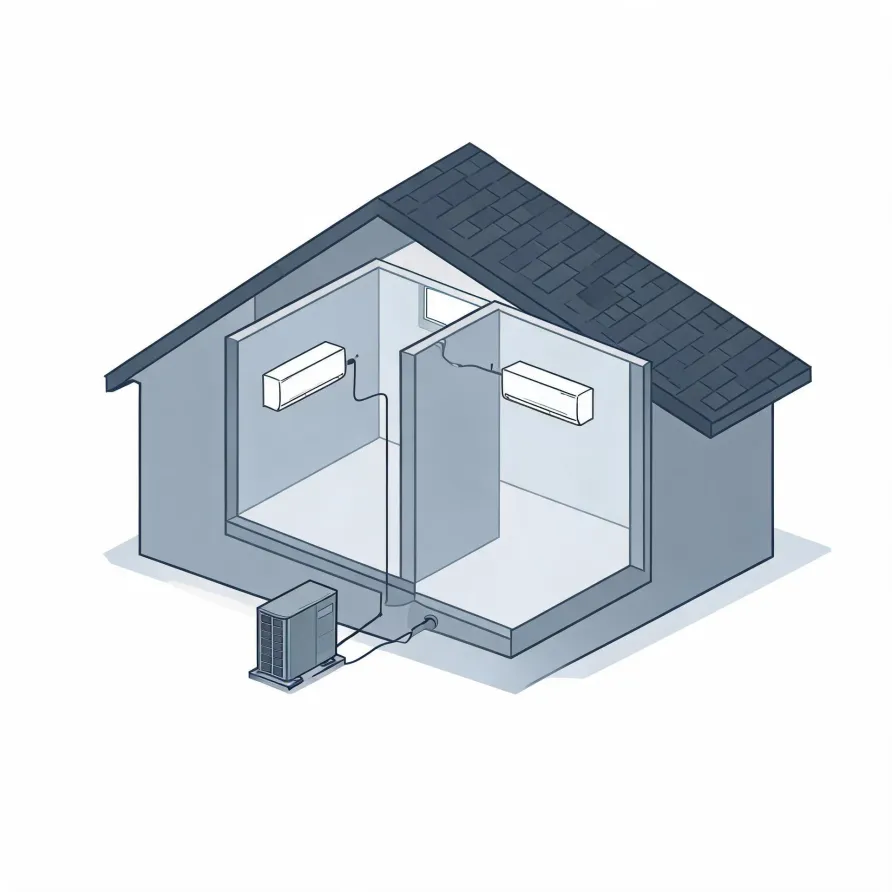
The indoor air handler mounts high on an interior wall inside the room being conditioned, and it is the piece the homeowner sees every day. The outdoor unit sits on the ground or a bracket outside the house and holds the compressor and condenser coil, which are the mechanical core of the system.
A conduit run carries the refrigerant lines, a condensate drain line, and the electrical wiring between the two units, passing through a small opening in the wall. A contractor also installs the thermostat or wall control that lets the occupant set temperatures for each zone.
The drawing shows the general layout of a mini-split system, and a licensed contractor determines exactly what applies to this house.
Find a contractor in Stafford CountyStafford County, Kansas, by the numbers
105 severe weather events were recorded in Stafford County, Kansas between 2015 and 2024.
NOAA National Centers for Environmental Information, Storm Events Database, bulk CSV export, events 2015-01-01 through 2024-12-31.Half the homes in Stafford County, Kansas were built in 1951 or earlier (2020-2024 ACS 5-year).
U.S. Census Bureau, 2020-2024 American Community Survey 5-Year EstimatesStafford County, Kansas holds 2,093 housing units (2020-2024 ACS 5-year).
U.S. Census Bureau, 2020-2024 American Community Survey 5-Year EstimatesOwners occupy 82.3% of the occupied homes in Stafford County, Kansas (2020-2024 ACS 5-year).
U.S. Census Bureau, 2020-2024 American Community Survey 5-Year EstimatesSevere Weather Events in Stafford County
Stafford County weather puts real demands on heating and cooling equipment, and those demands shape what a well-sized, well-installed system needs to handle. A mini-split that fits the local climate is not an abstract specification.
105 severe weather events, 2015–2024. Source: NOAA National Centers for Environmental Information, Storm Events Database.