Tell us about the job
Takes about a minute. No obligation.
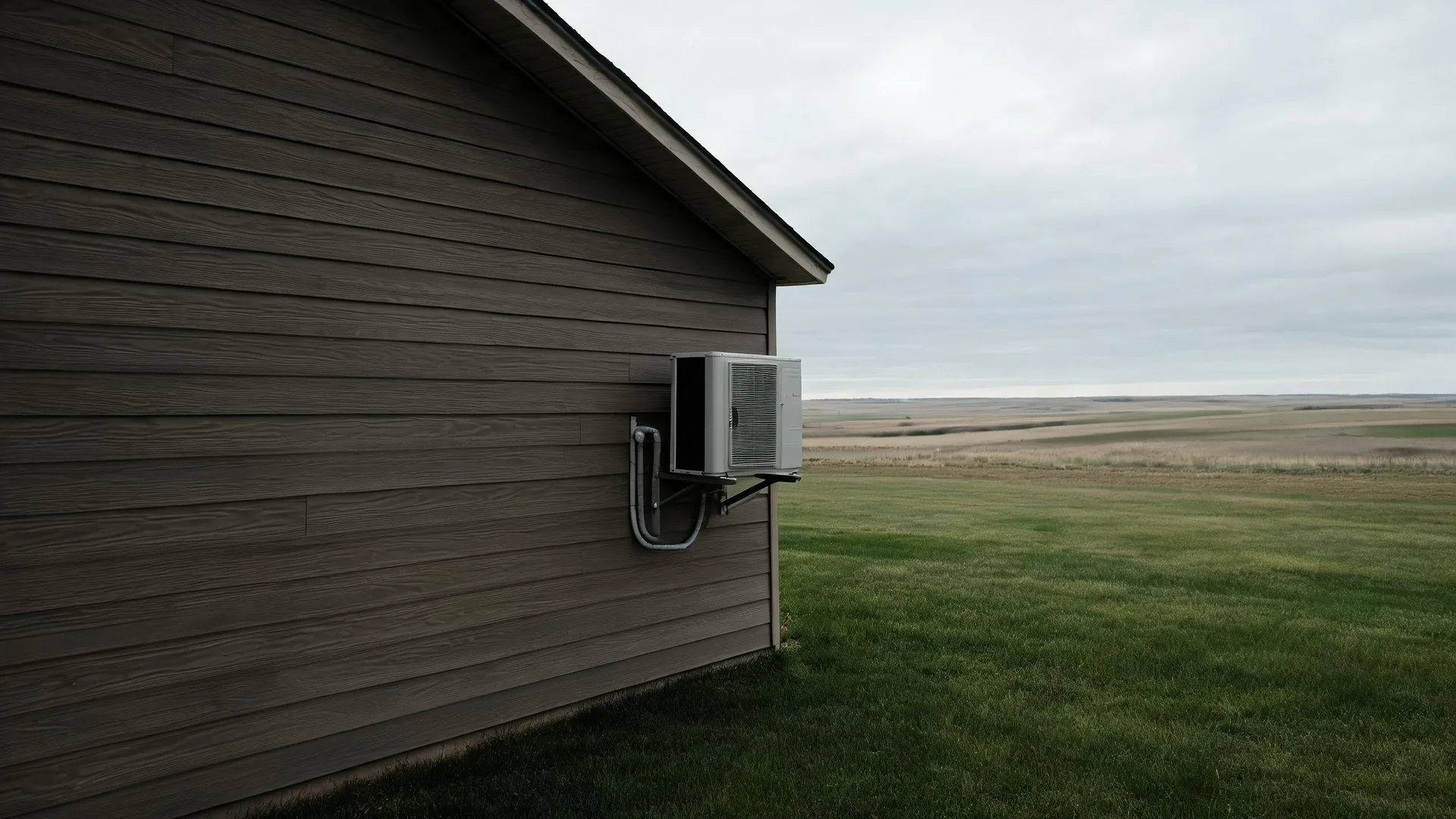
A mini-split compressor starts and stops every time the thermostat calls for cooling, and those start cycles are where most of the wear lands. Homes in Pratt County, KS run cooling about four months a year, from June through September. A contractor diagnosing a failed compressor in Pratt County counts back through those cycles, not through calendar years. The contactor, the capacitor, and the refrigerant lines take the same concentrated load, and a repair quote here addresses what that load has already done to each one.
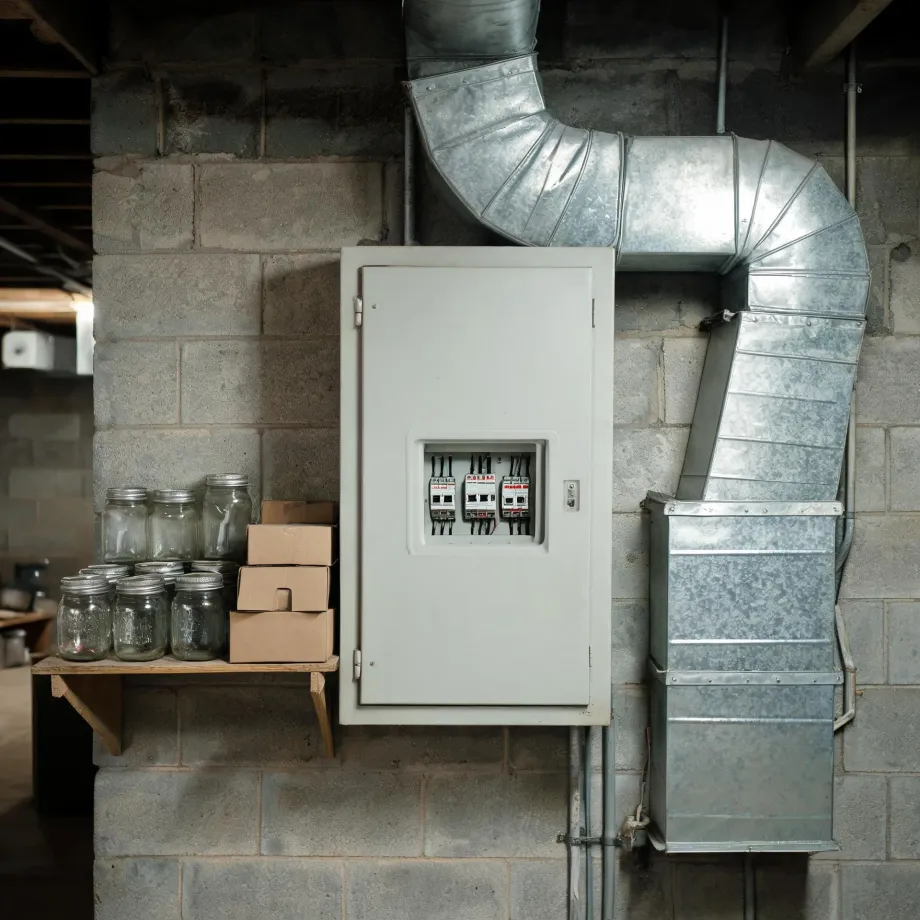
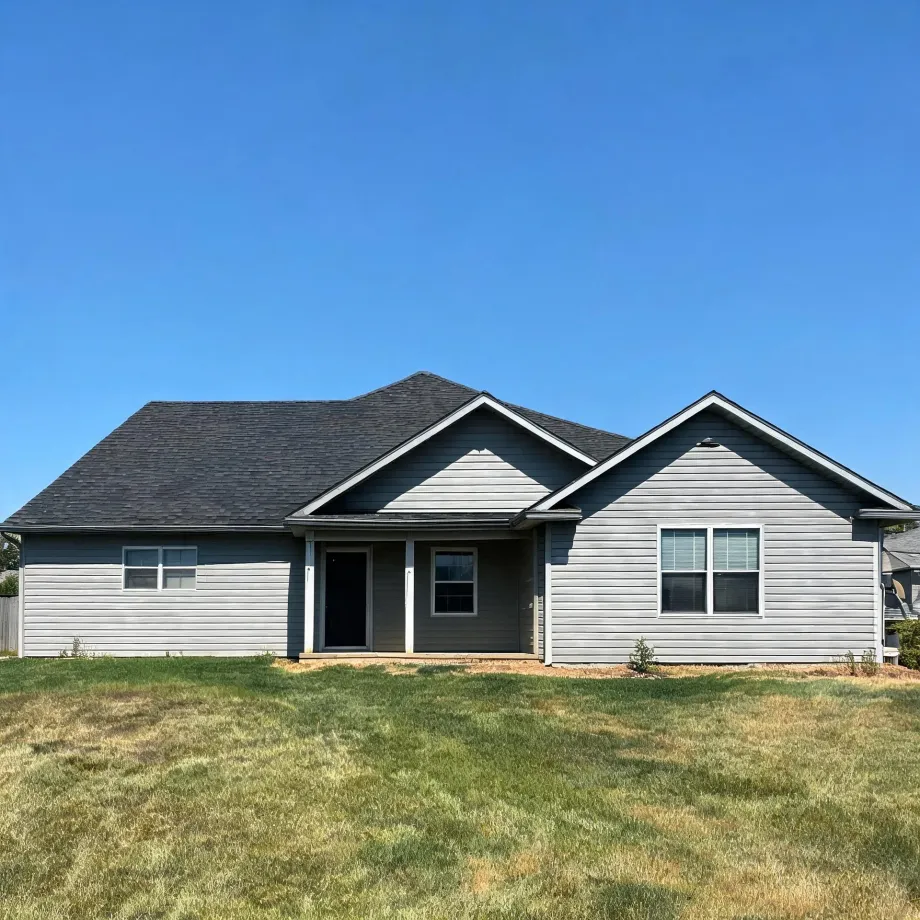
Refrigerant circuits and control boards in a system running in housing this old have often been through at least one prior repair cycle, and what a technician finds when the unit comes apart is shaped by that accumulated history. Half the homes in Pratt County, Kansas were built in 1956 or earlier (2020-2024 ACS 5-year). That puts the parts question at the center of any repair scope: whether what the opened system requires is still manufactured, and whether substitutions affect how the system runs afterward. A unit in good external condition can still present a parts problem once it is open.
The Parts of a Mini-split a Contractor Checks First
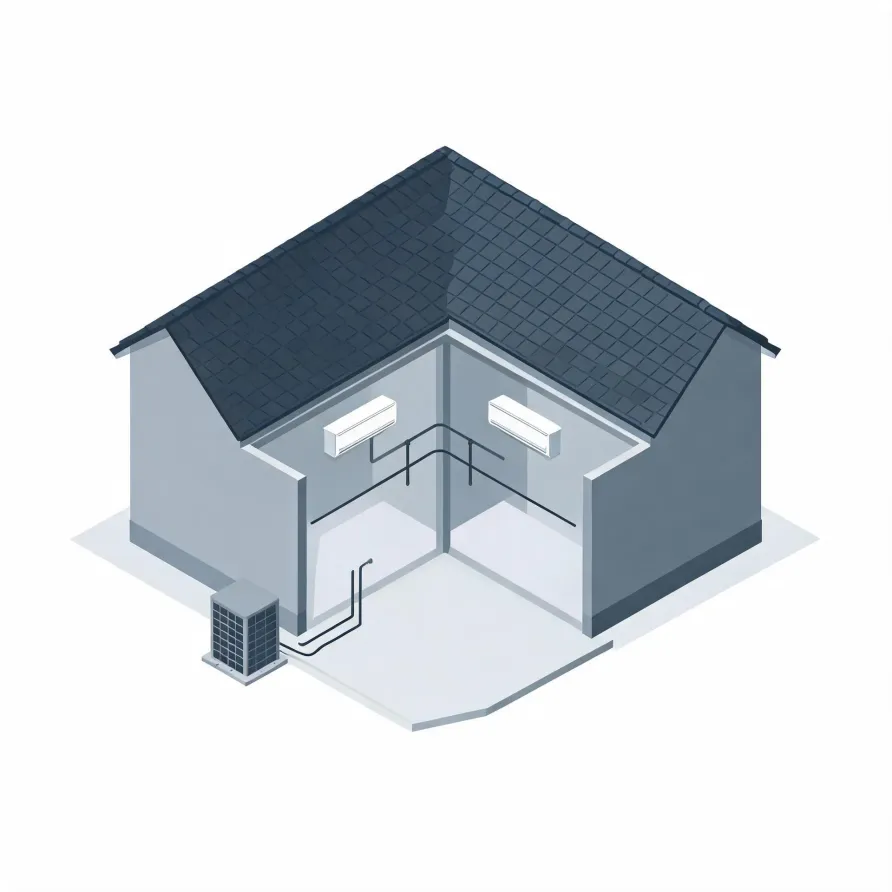
The indoor air handler mounts high on a wall inside the room and is where most visible problems show up first: a frozen coil, a blocked drain line, or a fan that has stopped moving air. The outdoor condenser unit sits outside the house and takes the harder mechanical load, so its compressor and coil are common starting points when the system stops keeping up.
A refrigerant line set runs between the two units through a small hole in the wall, carrying the refrigerant that makes the whole exchange possible. A clogged or leaking line set, or a faulty expansion valve along that path, can mimic problems that look like they belong to either unit.
The drawing shows a representative layout, and a licensed contractor determines which components apply to your specific installation.
Find a contractor in Pratt CountyPratt County, Kansas, by the numbers
158 severe weather events were recorded in Pratt County, Kansas between 2015 and 2024.
NOAA National Centers for Environmental Information, Storm Events Database, bulk CSV export, events 2015-01-01 through 2024-12-31.Half the homes in Pratt County, Kansas were built in 1956 or earlier (2020-2024 ACS 5-year).
U.S. Census Bureau, 2020-2024 American Community Survey 5-Year EstimatesPratt County, Kansas holds 4,364 housing units (2020-2024 ACS 5-year).
U.S. Census Bureau, 2020-2024 American Community Survey 5-Year EstimatesOwners occupy 73.2% of the occupied homes in Pratt County, Kansas (2020-2024 ACS 5-year).
U.S. Census Bureau, 2020-2024 American Community Survey 5-Year EstimatesSevere Weather Events in Pratt County
Kansas weather puts real strain on heating and cooling equipment, and Pratt County gets its share of conditions that push systems hard. How often that happens here shapes how much repair work local mini-splits actually face.
158 severe weather events, 2015–2024. Source: NOAA National Centers for Environmental Information, Storm Events Database.