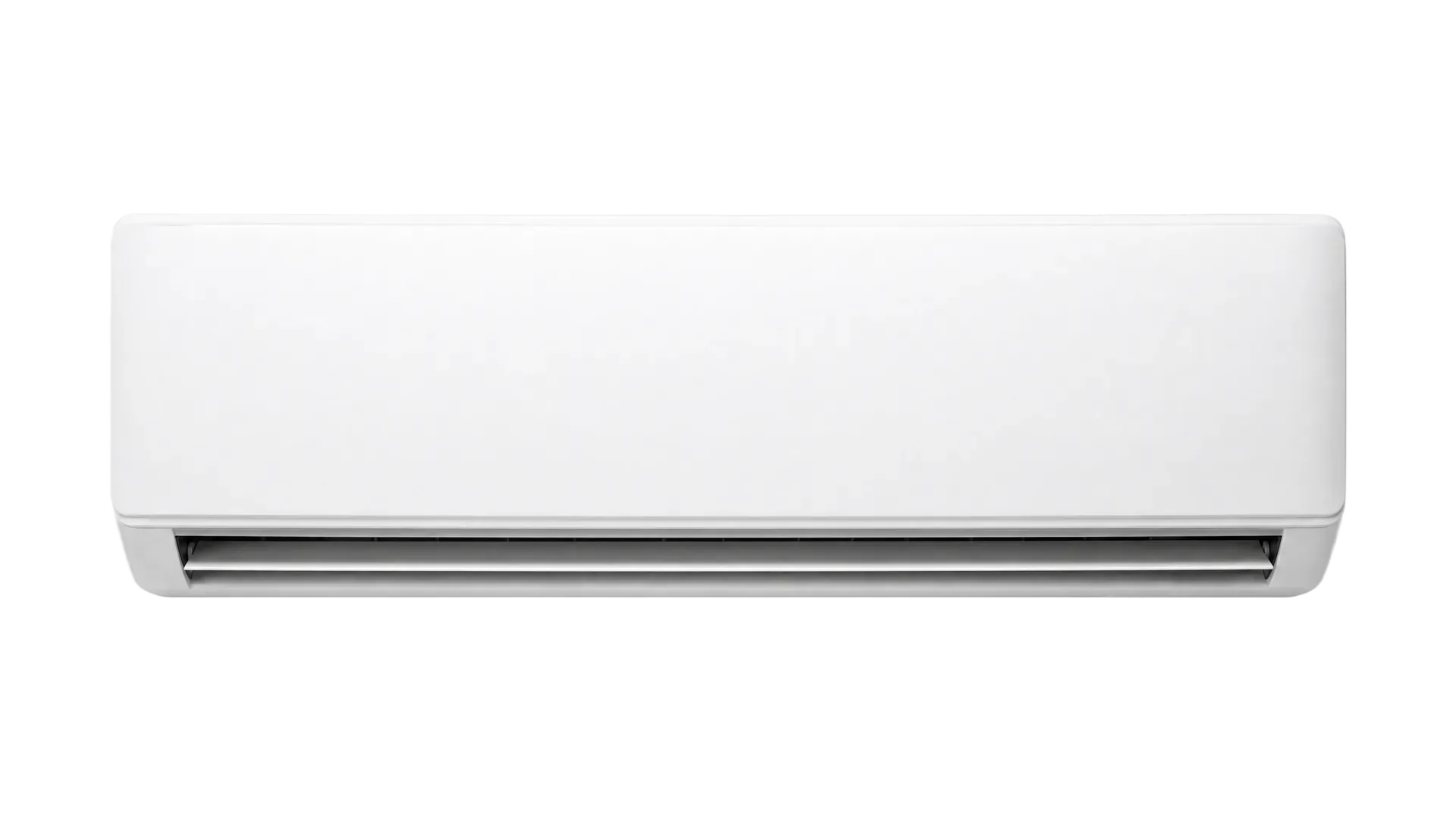
A mini split that won't heat in Wichita is usually fighting ice. When outdoor temperatures drop into the 20s and 30s, the outdoor unit's coil can frost over, and the system has to pause and run a defrost cycle before it can push warm air again. If it's stuck in defrost, or running one too often, you'll feel cold air or nothing at all. It can also be a refrigerant charge that's dropped low, a defrost sensor or thermistor that's failed, or a reversing valve not shifting the way it should. Some of this a homeowner can check: a dirty outdoor coil caked with ice or debris restricts airflow and makes the problem worse, and clearing it sometimes helps. A failed part or low charge needs a technician with gauges and training on your specific system to find and fix.


A mini split doesn't make heat the way a furnace does. It moves heat from outside air into your house, using the reversing valve to run the whole cycle backward from how it cools. That works even when it's cold out, but the colder it gets, the harder the outdoor coil has to work, and frost builds up on it. The unit watches for that and reverses into a defrost cycle on its own, usually shutting the indoor fan off for a few minutes so it isn't blowing cold air while the coil clears. That part is normal. What isn't normal is a unit that stays stuck there, cycling into defrost over and over without getting back to heating. That points to something keeping the outdoor coil from shedding ice properly, a refrigerant charge that's lower than it should be, or a defrost sensor that isn't reading the coil right. Airflow on the indoor side matters too. A dirty filter or a weak blower forces the whole system to work harder just to push the same heat into the room, and in cold weather that's often enough to tip a struggling unit over the edge.
How a mini split makes heat
- A mini split in heat mode runs its reversing valve backward, pulling heat out of cold outdoor air and releasing it inside through the indoor coil.
- The outdoor unit senses coil temperature and frost buildup, and once ice forms past a certain point it automatically reverses into a short defrost cycle.
- During defrost the indoor fan usually shuts off or slows so the unit isn't blowing cold air into the room while the outdoor coil clears.
- A clogged outdoor coil, a low refrigerant charge, or a failed defrost sensor can all keep the unit stuck in defrost or icing faster than it clears.
- The indoor unit's filter and blower matter just as much as the outdoor coil, since a dirty filter chokes airflow and makes the whole system work harder to push heat.
- Most mini splits also run a small crankcase heater on the compressor in cold weather, and if that heater fails the compressor can struggle to start at all.




Why does your mini split have to work so hard in Wichita
Cooling runs May through September
Cooling runs May through September. Five months of your outdoor unit pushing heat out, which is time the compressor and coil put on wear before winter even starts.
Heat runs October through April
Heat runs October through April. Seven months leaning on the reversing valve and defrost cycle, which is longer than most parts of the country ask of this equipment.
Power here costs 14.59 cents per kilowatt-hour
Power here costs 14.59 cents per kilowatt-hour. A mini split stuck in a defrost loop or running nonstop to catch up still draws power the whole time it's struggling.
NOAA nClimDiv 1991-2020 · EIA-861 2025



Outdoor coil frost triggers the defrost thermostat or sensor
The reversing valve switches the system briefly back to cooling mode
The outdoor fan shuts off while the hot gas melts the ice
The system reverses again and resumes pushing warm air inside
Is your mini split just blowing cold air at you
You walk past the indoor unit and feel room-temperature air instead of heat, or the fan runs but nothing comes out warm at all. The outdoor unit might be caked in ice along the coil, or you hear it click off and on more than it used to. Some rooms stay cold no matter how high you push the thermostat. On a night in the 20s, a unit that can't finish its defrost cycle and get back to heating will leave the house losing ground for hours, and pipes in a cold room are more likely to see a hard freeze.


Let someone else find the pro
A licensed pro who works in Sedgwick County gets your request.
Send the request and finding a pro stops being your problem.
Asking costs nothing, and the choice to hire stays yours.
Cooling runs May through September
May through September, your outdoor unit is built for heat rejection, not heat production. Once it switches jobs every October, the same coil and compressor have to pull warmth from cold air instead, and any wear from those five summer months shows up fastest the first time you need heat.
NOAA nClimDiv 1991-2020
Cold Air, Not a Dead System
- A mini split blowing cold or weak air in Wichita winters is almost always stuck somewhere in its defrost cycle, not broken outright.
- A reversing valve that won't switch back, a frozen outdoor coil, or a failed sensor all show up the same way: no warm air at the wall.
- Sedgwick County winters put real demand on these systems, and the same coil that worked all summer now has to pull heat from cold air instead.
- A local contractor who services mini splits through winters here knows which part usually fails first on a system stuck in defrost.
- Submitting the form connects you with one licensed local contractor, so you're not fielding calls from several companies while your house sits cold.
- Once you know what's happening inside the unit, the next step is getting someone out to look at the coil, valve, or sensor directly.
A mini split that won't heat is rarely a dead system. Most of the time it's a defrost cycle that won't let go, a reversing valve stuck in the wrong position, or a sensor telling the outdoor unit something false about its own coil. All three look the same from inside your house: the fan runs, the air stays cold or weak, and the room never climbs to where you set it. Wichita winters are hard on this equipment in a specific way. The same coil and compressor that spent May through September pushing heat out now have to pull it from air that's sitting in the 20s and 30s, and whatever wear built up over summer tends to surface once that switch happens. That's not a reason to panic, it's a reason to get the right person looking at it. A contractor who works on mini splits through winter here has likely already seen this exact failure this season, on someone else's system, and knows whether to check the reversing valve first or the defrost sensor. Submitting the form puts you in touch with one licensed local contractor, not a handful of companies competing for your callback. You get someone who knows the equipment and the climate it's fighting, and you stop being the one trying to figure out which part failed. The unit isn't ruined. It's stuck, and getting it unstuck is a matter of someone qualified opening it up and checking the parts that actually control heat mode.

Mini Split Repair
One request and it's handed off

- Get matched with a pro who fixes mini splits in Sedgwick County.
- A Sedgwick County pro who repairs mini splits gets your request.

- Send it once and finding someone is no longer on you.
- Send the request today and let a mini split pro reach out to you.

- Explain the job once and skip repeating it on every call.
- Skip searching for a mini split pro and answer a few questions instead.

- The pro who gets in touch is licensed in Kansas and works in Sedgwick County.
- Your request stays with one local pro.