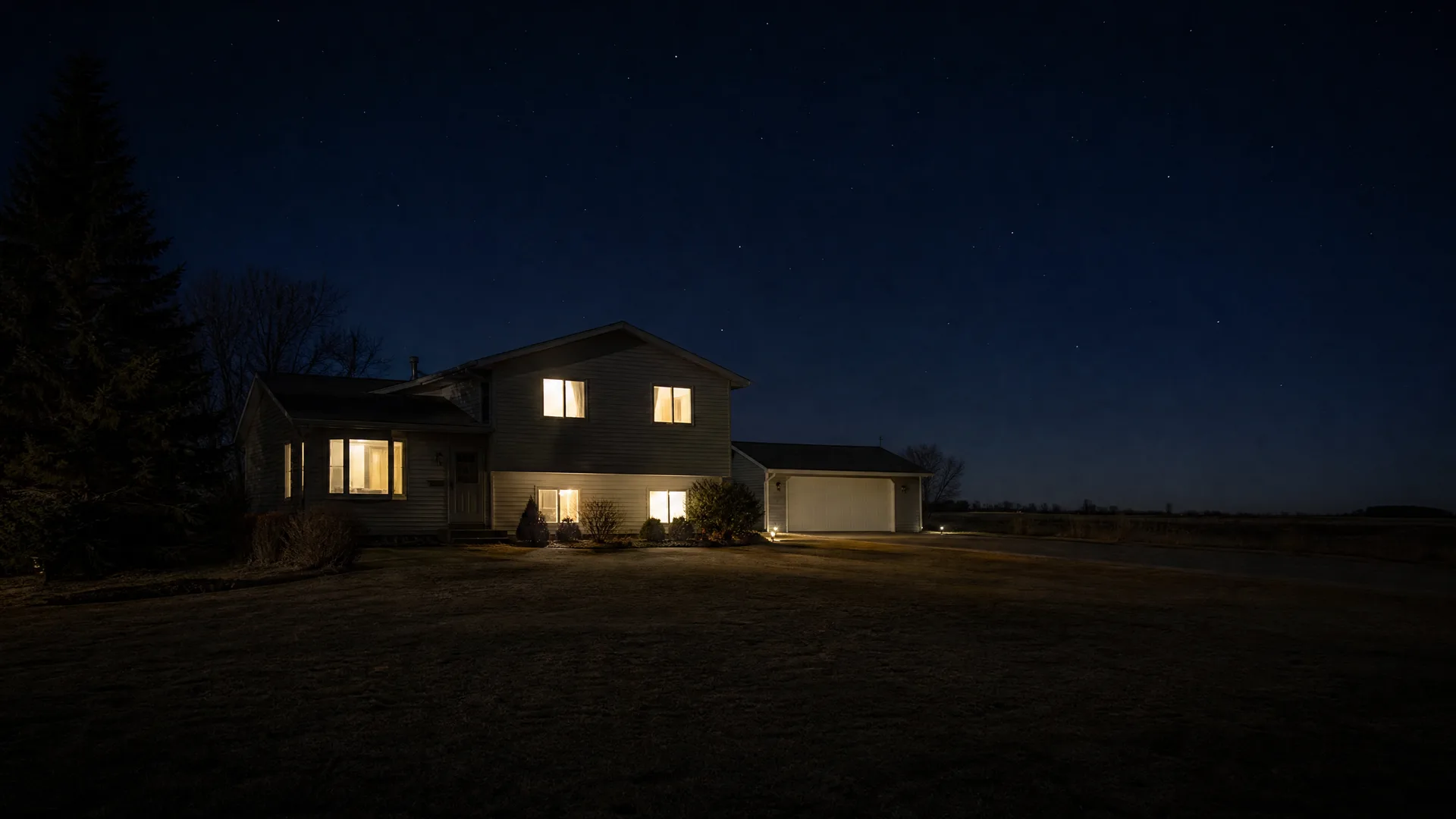


What a working mini split looks like
The unit sits high on the wall, clean, quiet, the vents clear. Air moves out cold enough to feel from across the room. Nothing dripping, nothing iced over, no grinding from inside the case.
Your mini split is running but the air coming out isn't cold, and in a Wichita summer that's not something to put off. It could be the outdoor unit, the refrigerant charge, the filter, or the thermostat sensor, and figuring out which one usually means getting a technician out to look at it in person. That's the part that eats your afternoon: searching for someone local, calling a few places, explaining the same problem each time, then sitting with quotes that don't quite match up. This page skips that. Tell it a bit about your unit and your situation, and you'll be matched with a contractor in the Wichita area who takes on jobs like yours. They'll reach out to you directly. No more calling around Sedgwick County trying to find someone who answers the phone and knows mini splits. One step, then someone gets in touch.
You've got the mini split running, you can hear it, maybe even feel some air moving, but the room just isn't getting cooler. With how long summer sticks around in Wichita, that's not something you want to wait out. A unit that runs without cooling usually means it's low on refrigerant, the outdoor unit is dirty, or the filter is so clogged the system can't move enough air to do its job.
A mini split that runs but doesn't cool is almost always short on refrigerant, blocked from shedding heat outside, or starved for airflow inside. A slow leak drops the charge over time until the system can't pull heat out of the room anymore. A coil on the outdoor unit packed with cottonwood fluff or cut grass can't release that heat into the air, especially on a 95 degree Wichita afternoon when it's already working hard. And a filter clogged with dust cuts off the airflow the indoor unit needs to move cool air into the room at all. Each of these needs a different fix, and running the system low on charge for too long can damage the compressor.
The indoor blower pulls room air across the evaporator coil.
Refrigerant inside that coil absorbs heat from the air.
The compressor outside pumps refrigerant to the outdoor coil.
The outdoor fan releases that absorbed heat outside.
Cooling runs May through September
Sedgwick County homes run the mini split about five months a year, May through September. A unit that won't cool during that stretch has no off season to wait out.
Heat runs October through April
Sedgwick County homes lean on heat about seven months a year, October through April. If the same unit handles both jobs, a cooling problem now can turn into a heating problem later.
Power here costs 14.59 cents per kilowatt-hour
Electricity in Sedgwick County averaged 14.59 cents per kilowatt-hour in 2025. A mini split that runs constantly trying to reach a temperature it can't hit still draws that power the whole time.
NOAA nClimDiv 1991-2020 · EIA-861 2025
A mini split that won't cool shows up fast in a Wichita house, because that one unit is usually carrying a bedroom or a living room on its own, not backing up a bigger system. The room it serves starts holding heat by mid afternoon and stays warm into the evening, and anyone trying to sleep in it feels that first. If the unit is the only cooling for an addition or a converted room, there's no other vent or register to pull from, so the room just sits at whatever temperature the day left it. Running the unit harder doesn't fix a low refrigerant charge or a blocked coil, it just adds to the power it draws while the room stays the same. And since Sedgwick County summers run from May into September, a mini split that quits in June isn't a problem that waits for cooler weather to go away on its own.




Explain the mini split problem once instead of to every shop in Sedgwick County.
It costs nothing to send, and you don't have to hire anyone.
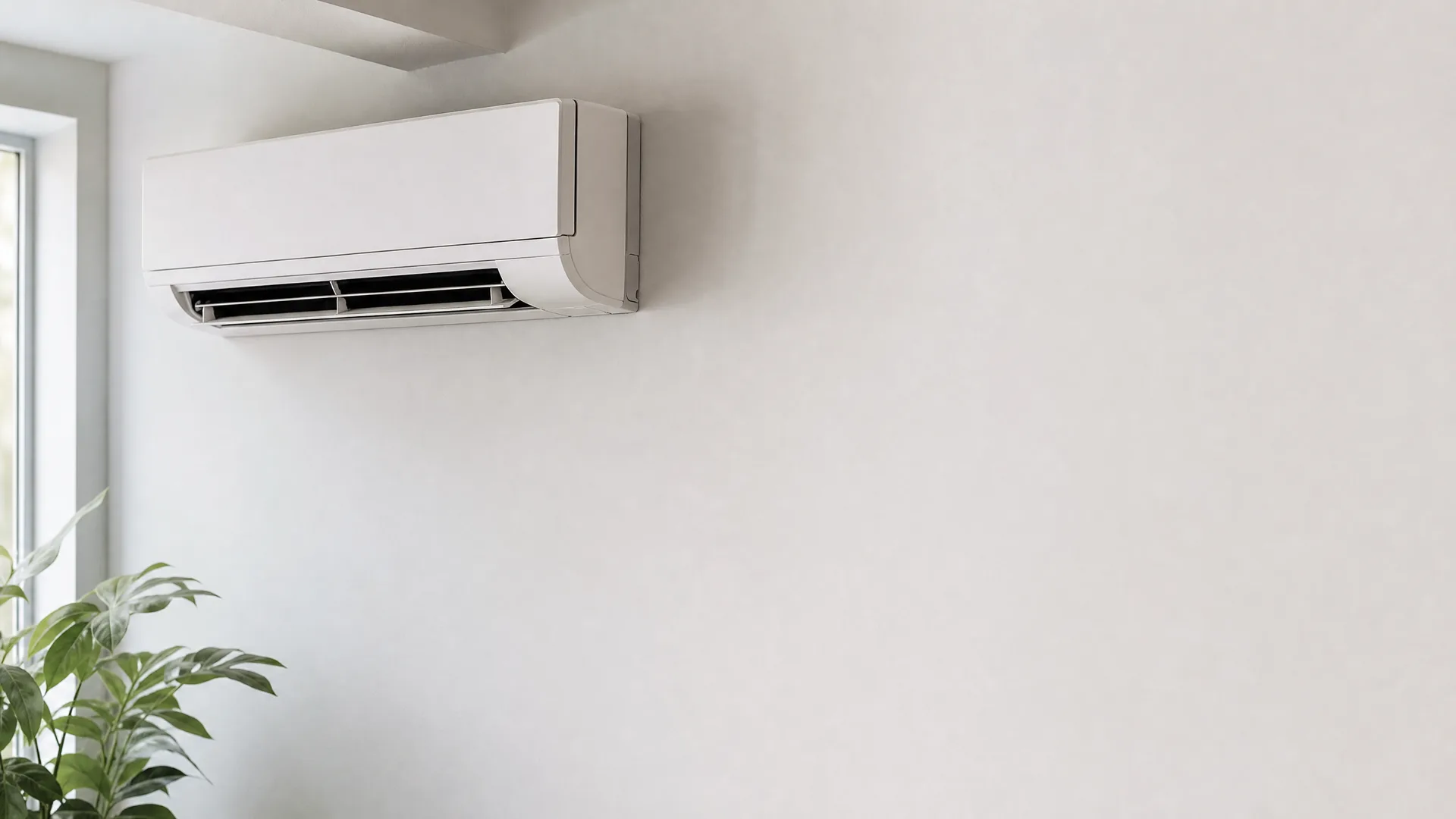
If you've got more than one mini split in the house, check whether the others are keeping up. A single head blowing warm while the rest of the house cools points to that unit itself, a clogged filter, a frozen coil, or a refrigerant leak at that line set. If every head in the house is struggling the same way, the problem is more likely shared, like a main breaker or an outdoor condenser serving multiple zones.
Open the indoor unit and look at the coil. Ice tells you airflow is blocked somewhere, often a dirty filter, or that refrigerant is low. No ice, and the coil feels warm or just barely cool, points more toward the compressor or the outdoor unit not doing its job. Either way the room stays warm, but what's behind it is different, and that's the kind of thing a contractor checks first.

If that unit covers your bedroom, you'll feel this the first night. Fans and open doors can get a room a few degrees cooler, but a Wichita bedroom in July doesn't need a few degrees, it needs the mini split working. Anyone sleeping in that room is going to have a rough stretch until it's fixed.
Leave a frozen coil running and you're not just stuck with warm air, you risk water finding its way out of the unit and onto the wall or floor below it. The faster someone looks at it, the less chance of that. Instead of calling around Wichita trying to find a contractor who works on mini splits and has a slot open, you can get matched with one who covers Sedgwick County and let them reach out to you.


The unit sits high on the wall, clean, quiet, the vents clear. Air moves out cold enough to feel from across the room. Nothing dripping, nothing iced over, no grinding from inside the case.

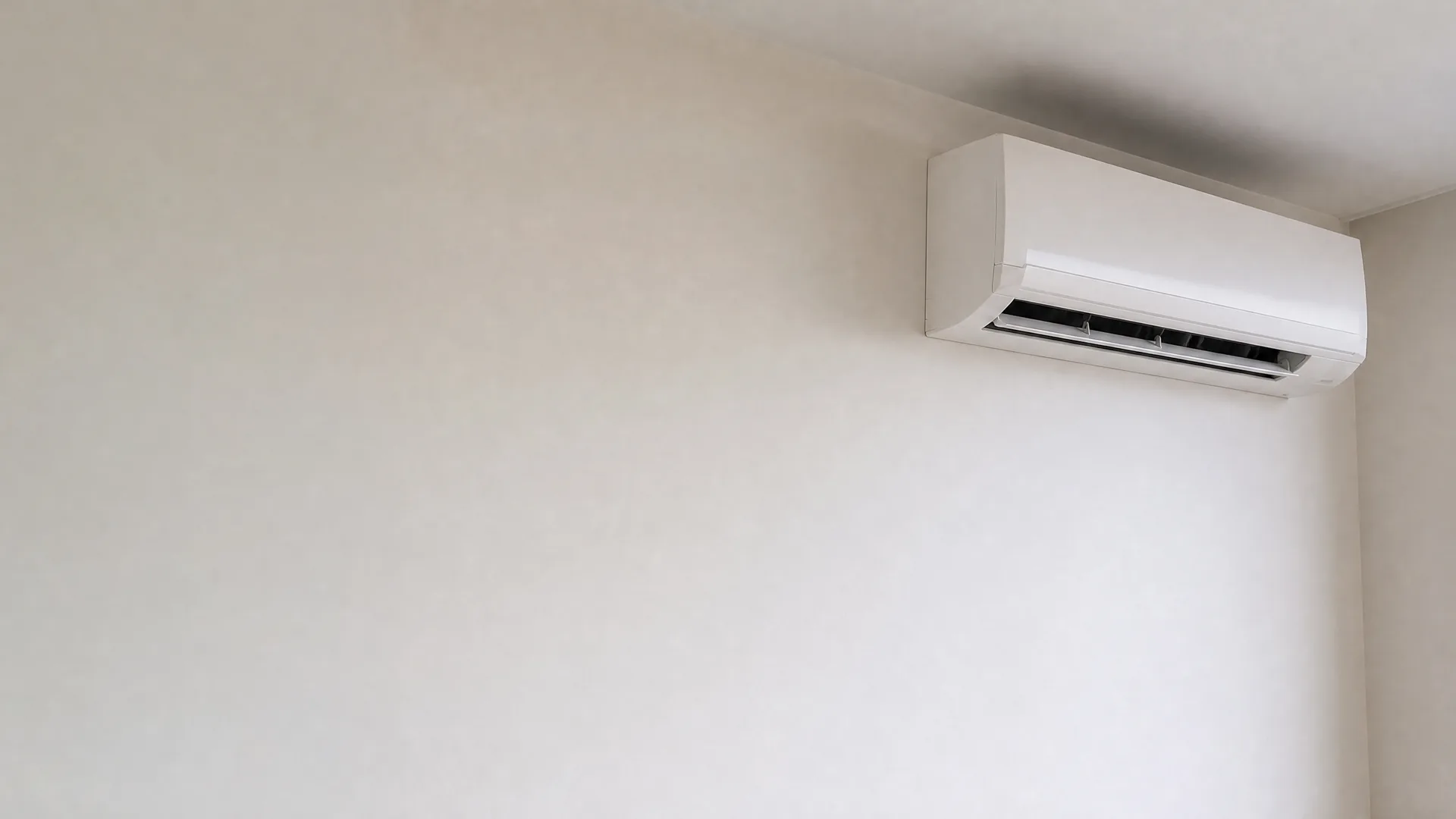
Dust and grime built up around the vents and casing block airflow before the air ever reaches the room. A unit caked like this is working harder to push air through and still falling short on the cooling.


A mini split that runs but won't cool almost always comes down to one of four things: the outdoor unit, the refrigerant charge, the filter, or the thermostat sensor. You can rule a few out by looking, a dirty filter or a frozen coil are easy to spot, but telling a low charge from a failing sensor takes someone who works on these units regularly. If you've got other heads in the house still cooling fine, that tells you the problem sits with this one unit and not the system as a whole, which narrows things down but doesn't name the part. None of this is something to sit on. Sedgwick County gets roughly five months of mini split weather, May through September, and whatever room this head covers starts holding heat by mid afternoon whether you're ready to deal with it or not. The part that usually slows people down isn't the repair itself, it's getting to the repair: finding a contractor who works on mini splits, calling a few numbers, explaining the same symptoms to each one, then sitting with quotes trying to compare apples to apples. Matching with a contractor through this page skips that part. You explain the problem once, and the contractor who reaches out already knows what they're walking into. What they find when they get there, and what it takes to fix it, is still ahead of you. But you won't spend the next few days chasing down who can come look.
Skip calling shops to ask who repairs mini splits in Sedgwick County.