Running clean
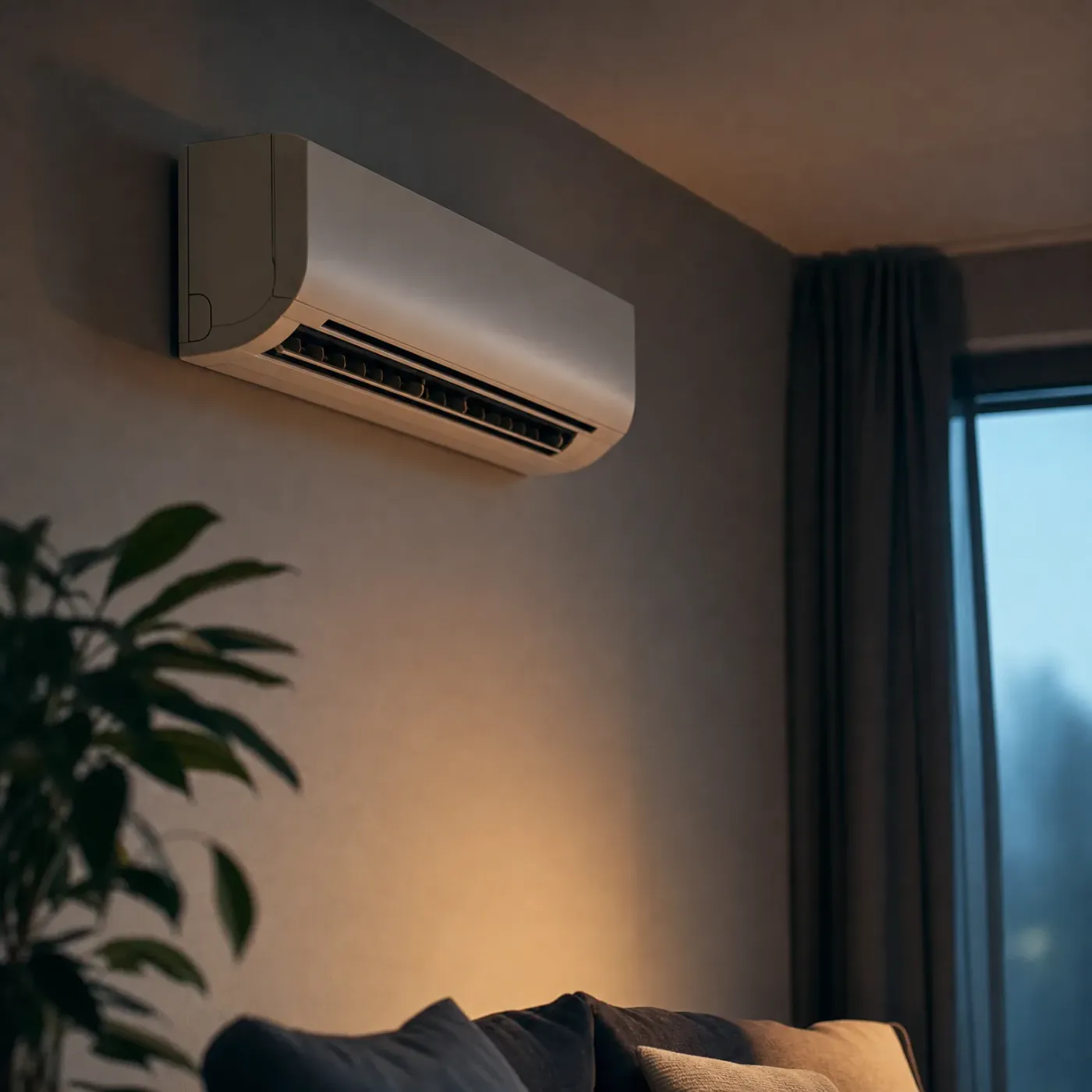
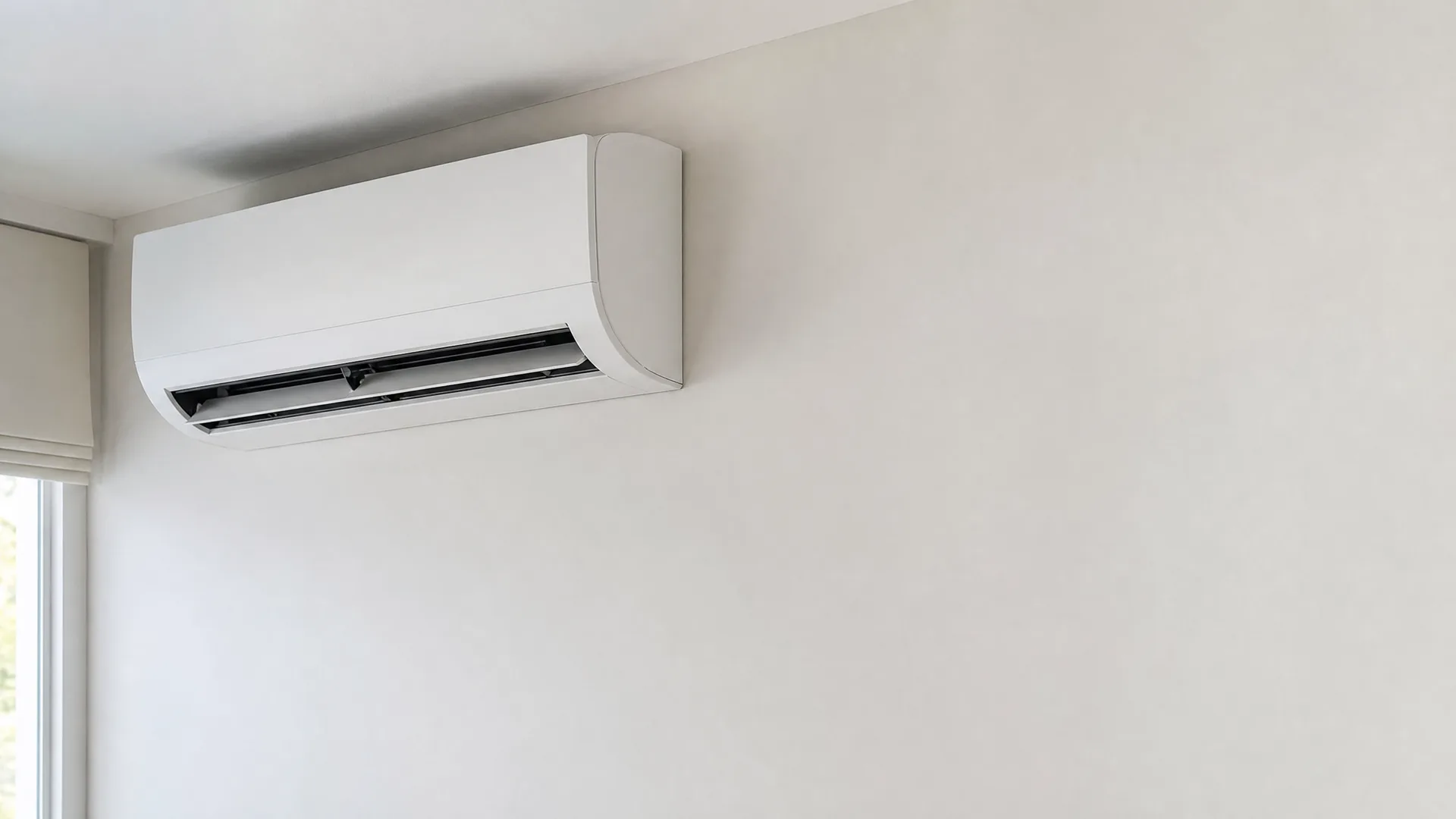
This is what a mini split looks like when the drain line is clear. No streaks below it, no damp smell, no sound of water where there shouldn't be any. Air moves through it the way it's supposed to, and the wall underneath stays dry.
No calling every shop in Crawford County
Water dripping or pooling around a mini split usually means a clogged condensate drain or a line that's come loose, and it's worth sorting out fast since it can mean water damage to the wall or floor underneath. This page walks through why it happens and what fixes it. Rather than calling around Crawford County explaining the same leak to every shop that picks up, you can get matched with one local contractor who already knows what to check first.
Skip the callsWater coming from your mini split almost always means the condensate drain line is clogged or the drain pan underneath the indoor unit has filled up and started to overflow. Algae and dust build up inside that small drain tube over time, especially during the long muggy stretch from June through September here in Pittsburg, when the system is pulling moisture out of the air for hours every day. Once that line backs up, the water has nowhere to go but out of the unit and down the wall or onto the floor below it. Sometimes the problem is simpler: the line came loose at a fitting, or the unit is mounted slightly off level, which keeps condensate from draining the way it should. Either way, the water itself isn't the real problem. It's a sign something downstream needs attention before it soaks into drywall or flooring.
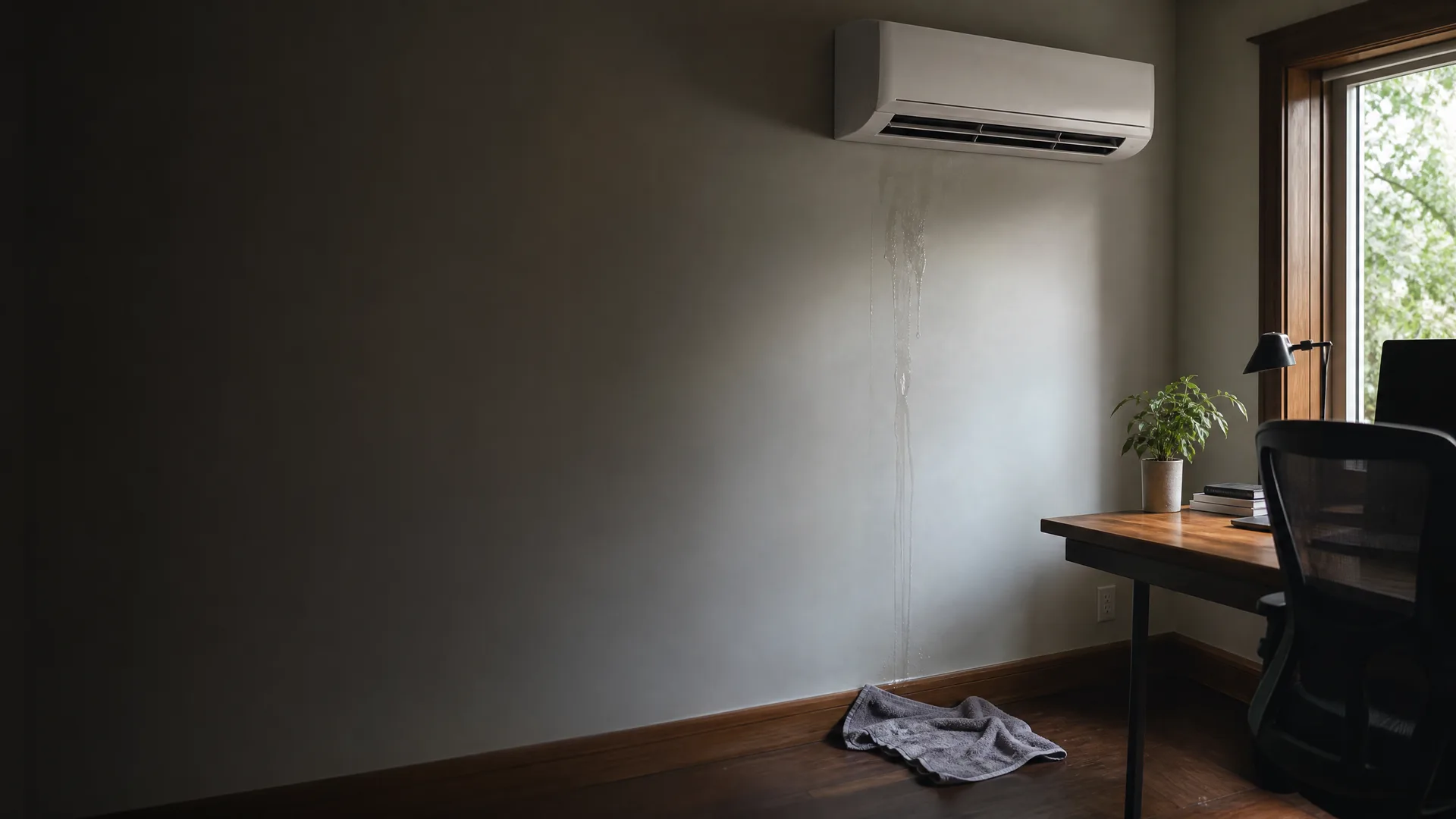
You're at your desk in the home office a little past two, trying to work through the sticky part of the afternoon the way Crawford County summers make you. You notice the wall first, a dark streak running down from the mini split, soaking into the drywall above the baseboard. You already put a towel down under the unit yesterday and it's damp again. The drip hasn't stopped, just slowed enough that you let it go another day. Now there's a faint smell starting at the baseboard, and the streak has gotten a shade darker since this morning. You reach over and shut the unit off before you go pull the towel out and wring it over the sink.
Cooling runs May through September
Five months of cooling means five months where that condensate line is doing steady work, and more chances for it to clog.
Heat runs October through April
Seven months of heat means the indoor unit sits idle part of the year, which is when dust and algae settle into the drain undisturbed.
Power here costs 14.47 cents per kilowatt-hour
At 14.47 cents per kilowatt-hour, a mini split losing efficiency from a clogged drain or low charge shows up on your bill, not just on the wall.
NOAA nClimDiv 1991-2020 · EIA-861 2025
A clogged drain line is a fifteen-minute fix for someone who knows where to find the access point on your model and how to clear it without pushing the blockage further in.
Leave it alone through another humid stretch and the water finds the drywall, the subfloor, or the ceiling below, and now you're paying for two repairs instead of one.




That streak on the wall is not going away on its own, and the longer it sits, the more of the drywall and whatever's behind it gets soft. What you need is someone who can get to the drain access on your unit, clear it, and check why it backed up in the first place, whether that's algae in the line, a pan that's cracked, or a line that's pitched wrong. That's not a job to learn on the fly, and calling around Crawford County to find someone who works on mini splits regularly, explaining the leak to three different offices, waiting on callbacks, takes time you don't have while water keeps finding its way into the wall. One request here goes to a local contractor who deals with this exact drain and pan setup all summer long, not a handful of companies competing for your callback. You get someone who already knows where these lines clog on your kind of unit, and you stop the water today instead of after another week of phone tag.
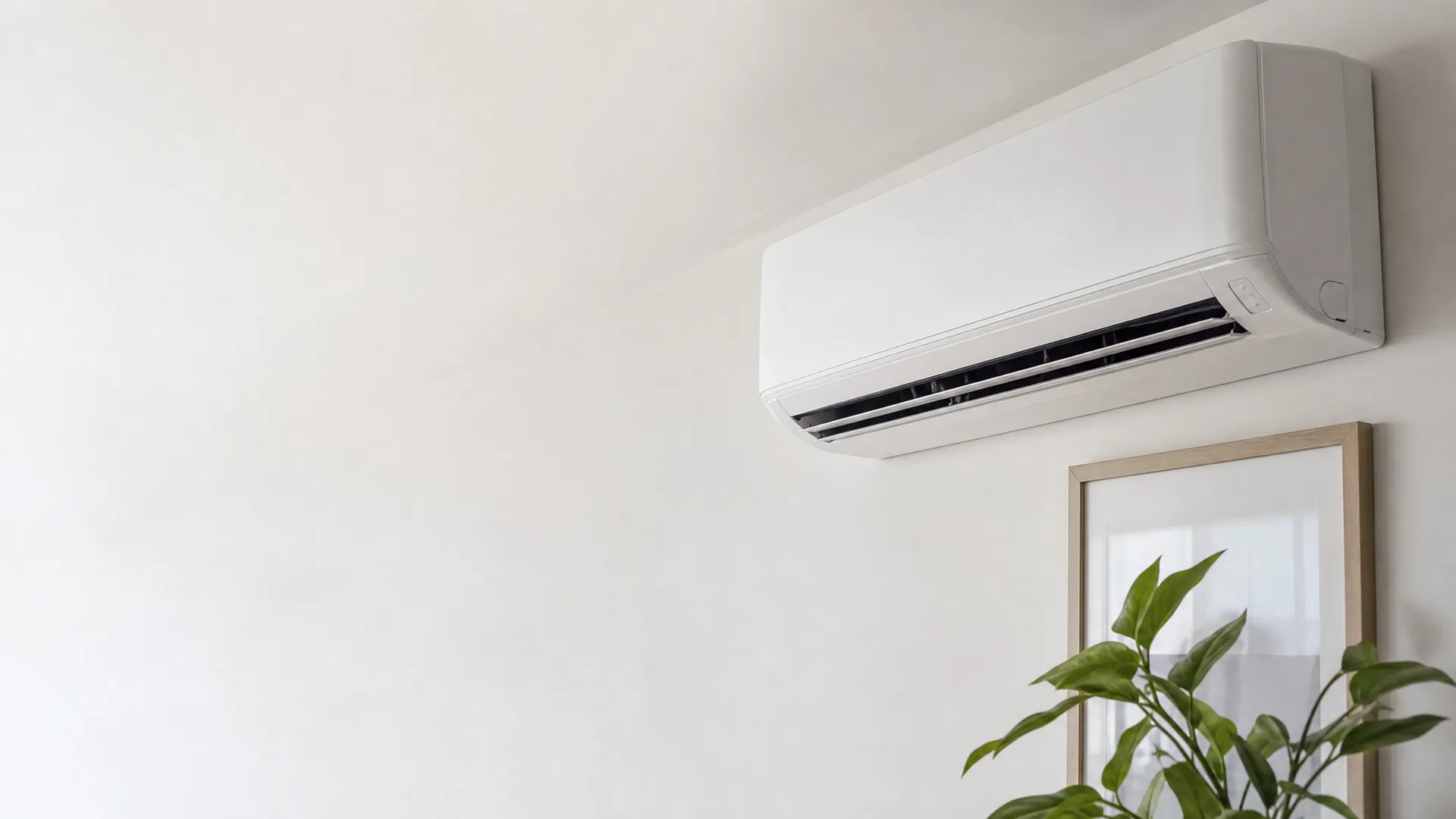
Every mini split has a drain pan under the coil, and a small tube carries that water outside, usually run alongside the refrigerant lines through the wall. That tube is narrow, often no wider than a pencil, which is exactly why algae and dust can block it so easily. Once it's blocked, the pan fills, and the water has nowhere to go but over the edge, down into the wall or across the floor.
The drain line has to run downhill the entire way to the outdoor termination point. If that line sags anywhere, even an inch, water sits in the low spot instead of draining, and algae grows faster in standing water than in water that moves through. A line that looks fine from the outside can still have a sag behind the wall, which is why the same unit can clog again after it's been cleared once.


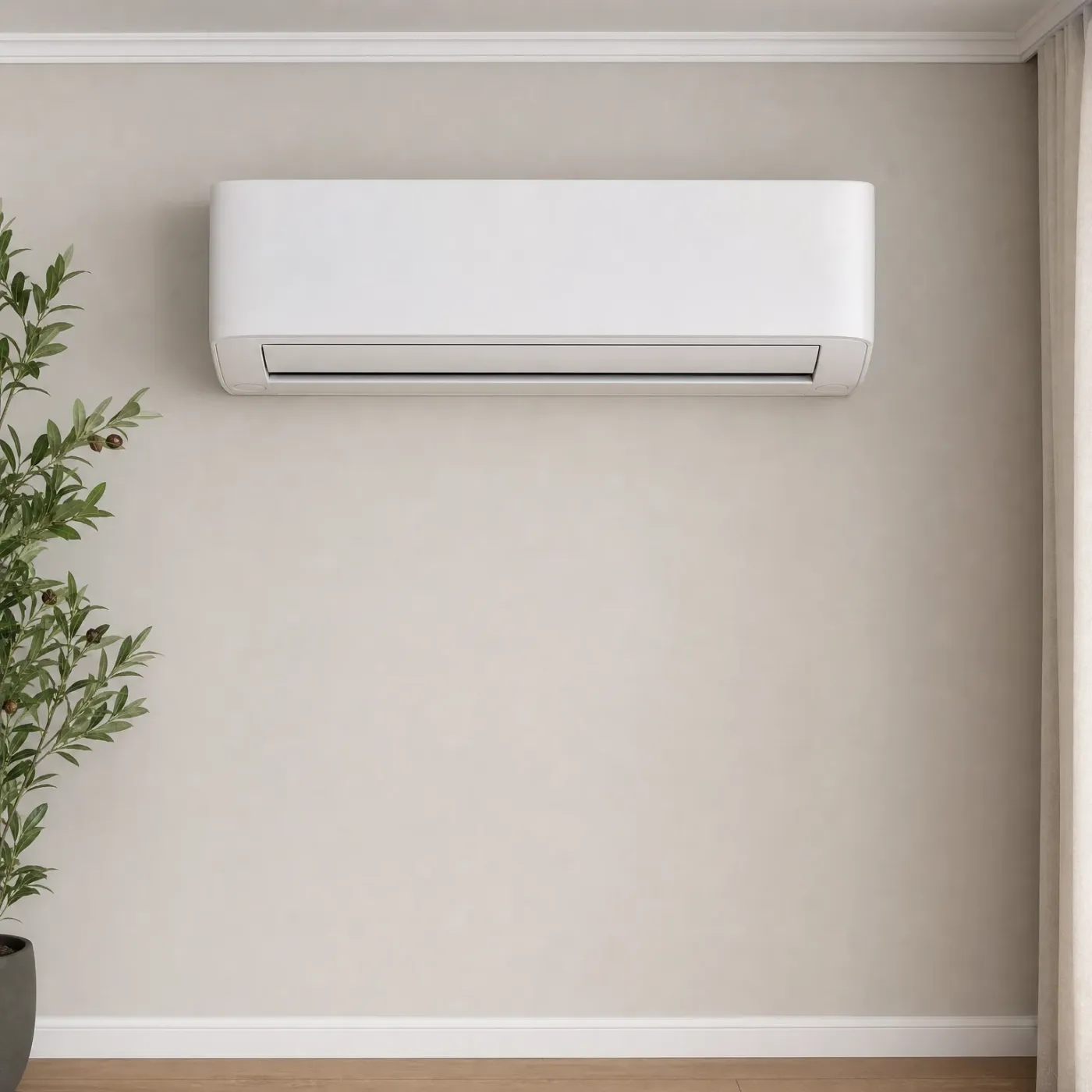
This is what a mini split looks like when the drain line is clear. No streaks below it, no damp smell, no sound of water where there shouldn't be any. Air moves through it the way it's supposed to, and the wall underneath stays dry.
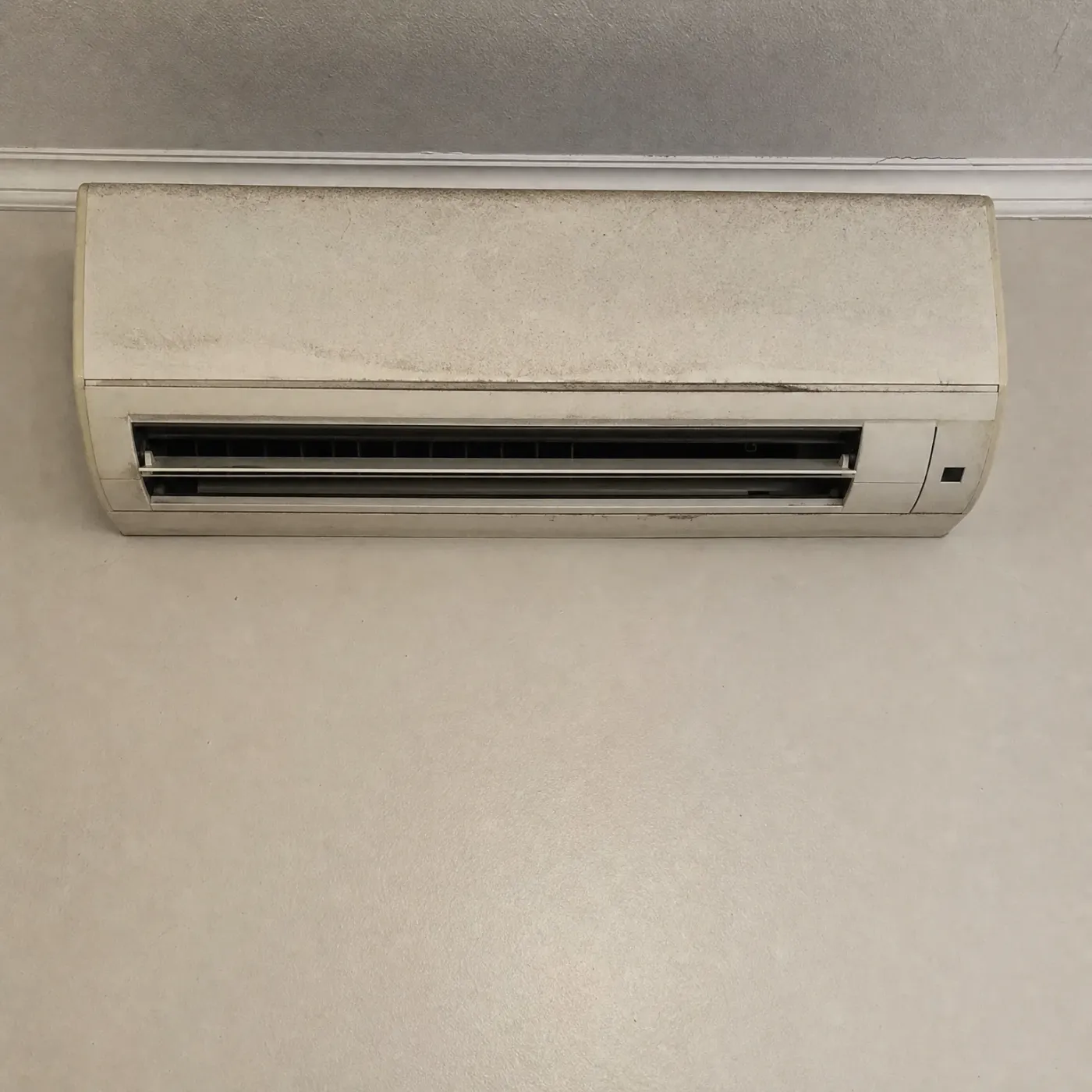
Dust and grime like this on the casing usually means buildup inside too, in the coil and the drain pan behind it. That same grime is what narrows the drain tube until water backs up and finds the wall instead of the drain line outside.

Water at the wall under your mini split points to one thing. The drain line or the pan underneath it is backed up, and the water has nowhere else to go. Clearing it means finding the access point on your unit and getting the blockage out without pushing it further down the tube.
Instead of searching through contractors, calling a few, and going over the same streak on your wall with each one, you can put this in front of someone local who works on mini splits all year in Crawford County and already knows where that access point tends to be. One call, one visit, and you know whether it was the line, the pan, or something further back in the system.

The pro who gets in touch is licensed in Kansas and works in Crawford County.