Tell us about the job
Takes about a minute. No obligation.
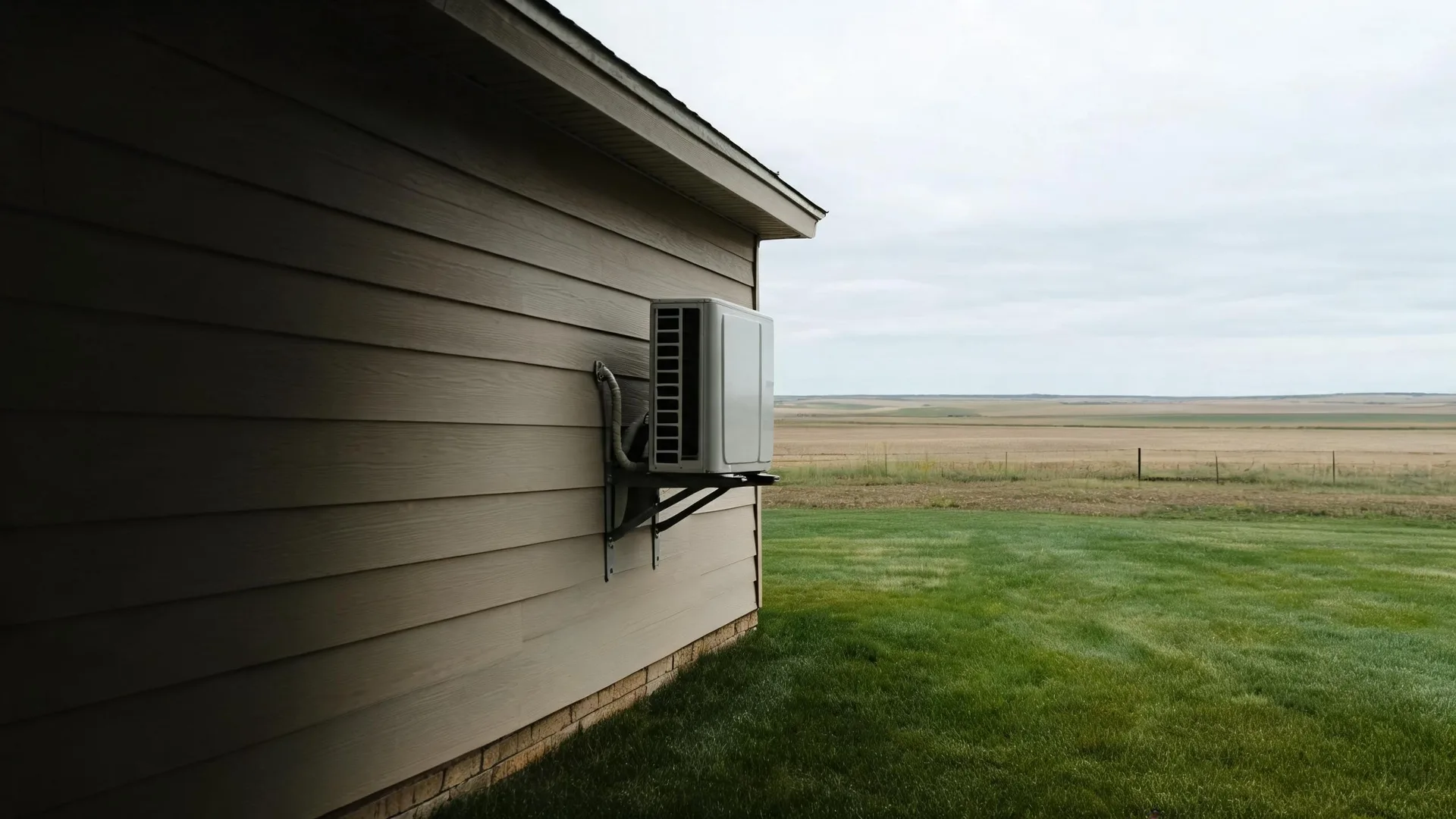
Sizing a mini-split for Decatur County starts with knowing what the compressor is actually asked to do each year. Homes in Decatur County, KS run cooling about three months a year, from June through August. A compressor that runs a short cooling season and then sits dormant can develop refrigerant leaks, contactor wear, or coil fouling that shows no symptom until June arrives and the system is called on suddenly. A contractor quoting an installation here factors that pattern into equipment selection and checks that the outdoor unit placement supports airflow through a long idle before the next cooling demand.
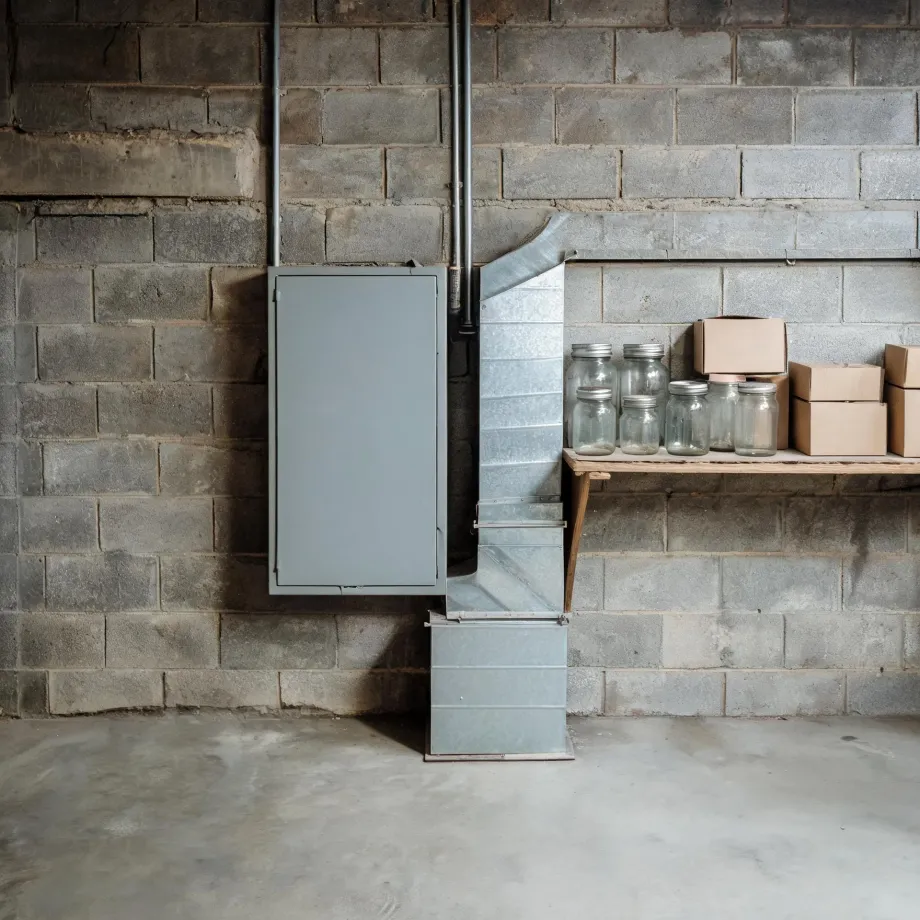
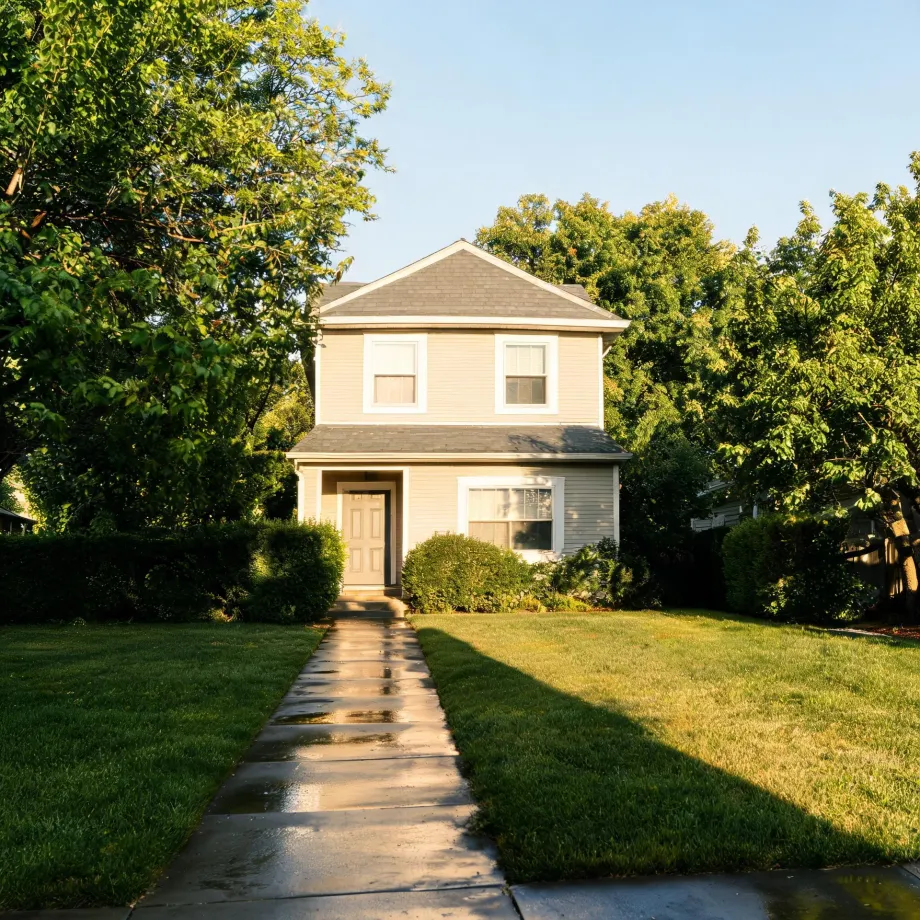
Electrical panels in this part of Kansas were sized for what existed at the time builders framed these walls, and the ductwork, where it exists, was routed around layouts that made sense for something different from a mini-split. Half the homes in Decatur County, Kansas were built in 1953 or earlier (2020-2024 ACS 5-year). A contractor quoting an installation here opens walls to find out what the existing runs will and will not carry before any equipment decision is final. That assessment of the structure is where the job's scope gets set.
What a Mini-split Looks Like Once It's In
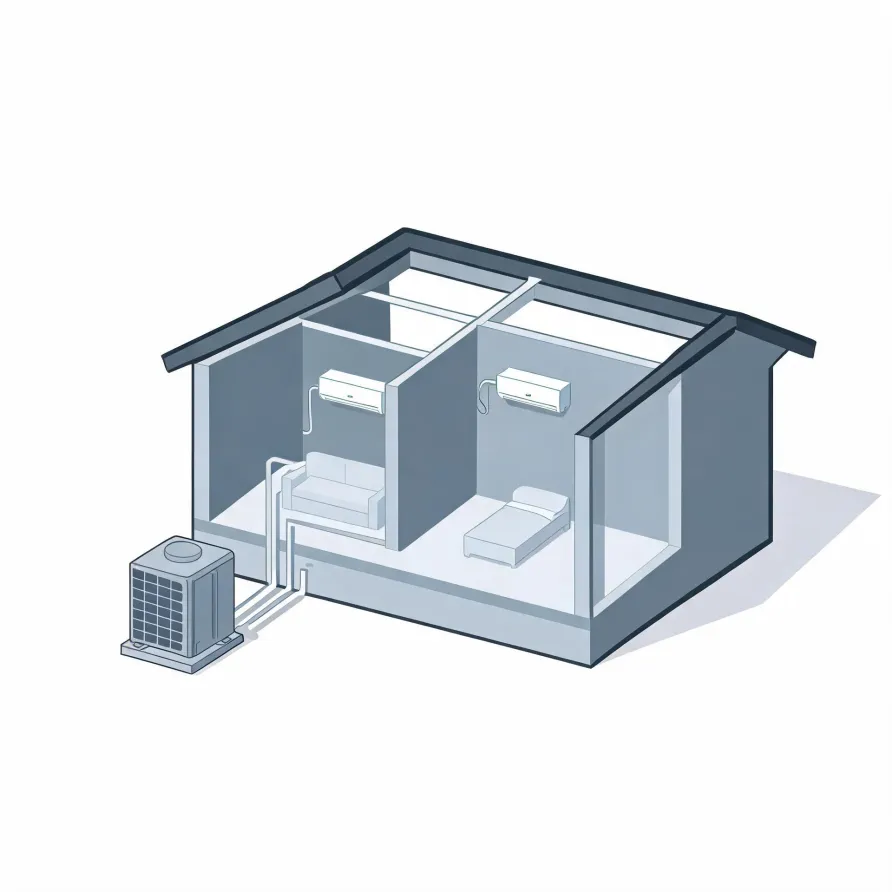
The indoor air handler mounts high on an interior wall of the room being served, and it is the piece a homeowner sees every day. Outside the house, the condenser unit sits on a pad or bracket and handles the heat exchange side of the work. Each room or zone gets its own air handler tied to that outdoor unit.
A refrigerant line set runs through a small hole in the wall and connects the indoor and outdoor units, carrying the working fluid between them. A condensate drain line runs alongside it to carry moisture away. The outdoor unit also needs a dedicated electrical disconnect box mounted close to it on the exterior wall.
The drawing here shows the typical layout of these components, and a licensed contractor will determine exactly how each one fits the specifics of your home.
Find a contractor in Decatur CountyDecatur County, Kansas, by the numbers
180 severe weather events were recorded in Decatur County, Kansas between 2015 and 2024.
NOAA National Centers for Environmental Information, Storm Events Database, bulk CSV export, events 2015-01-01 through 2024-12-31.Half the homes in Decatur County, Kansas were built in 1953 or earlier (2020-2024 ACS 5-year).
U.S. Census Bureau, 2020-2024 American Community Survey 5-Year EstimatesDecatur County, Kansas holds 1,634 housing units (2020-2024 ACS 5-year).
U.S. Census Bureau, 2020-2024 American Community Survey 5-Year EstimatesOwners occupy 77.7% of the occupied homes in Decatur County, Kansas (2020-2024 ACS 5-year).
U.S. Census Bureau, 2020-2024 American Community Survey 5-Year EstimatesSevere Weather Events in Decatur County
Weather swings drive how hard heating and cooling equipment works, and how often it fails. What happens in Decatur County shapes what any mini-split installed here has to handle over its life.
180 severe weather events, 2015–2024. Source: NOAA National Centers for Environmental Information, Storm Events Database.