Tell us about the job
Takes about a minute. No obligation.
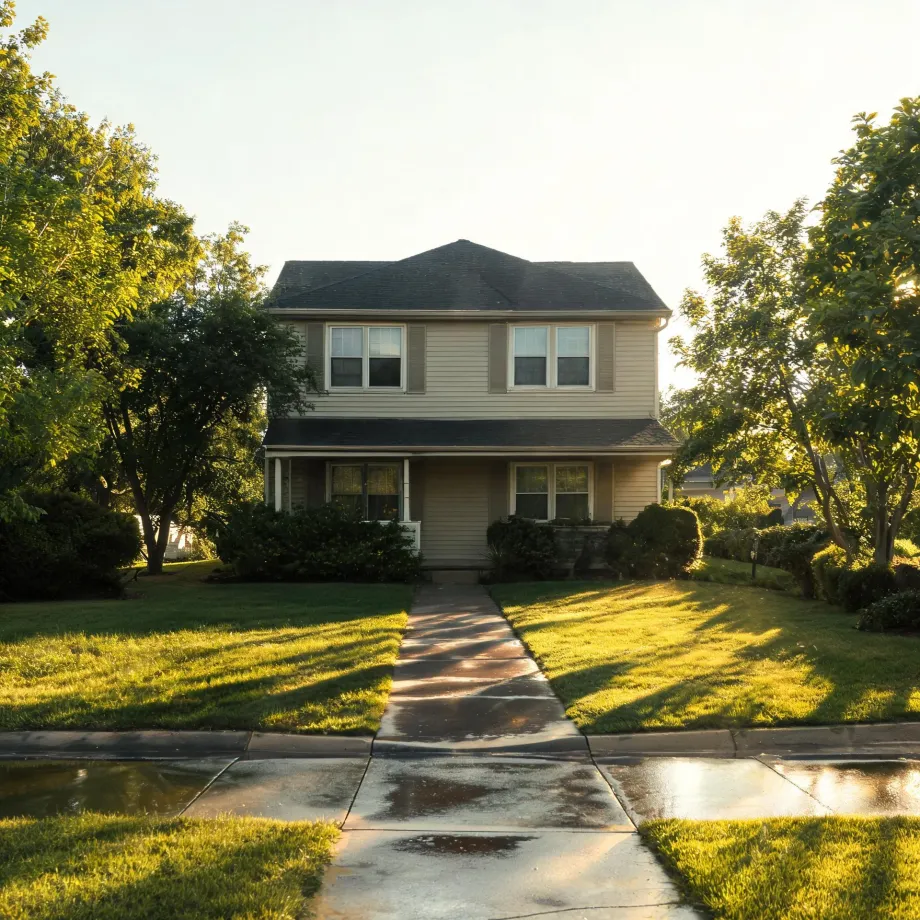
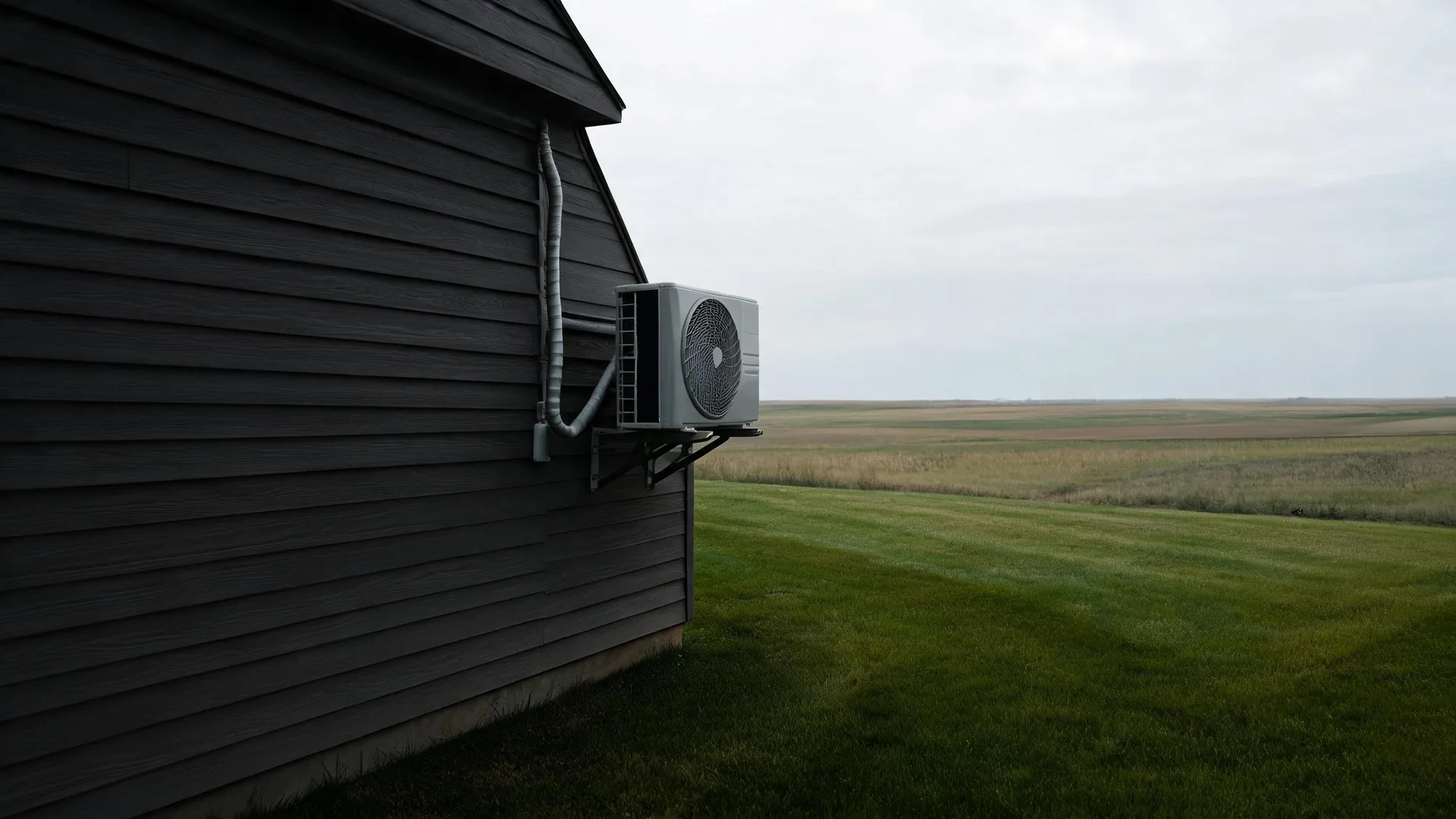
Sizing a mini-split for a Clark County home starts with what the compressor is actually asked to carry each year. Homes in Clark County, KS run cooling about four months a year, from June through September. That compressor spends the rest of the year idle, and idle equipment hides faults. A refrigerant leak or a failing contactor produces no symptoms in October or March. The first hard day of summer is when the system runs and the problem surfaces, which is also when every other homeowner calls. A contractor who commissions the install correctly, and verifies charge and airflow before that idle period begins, gives the equipment the best chance of starting clean when June arrives.
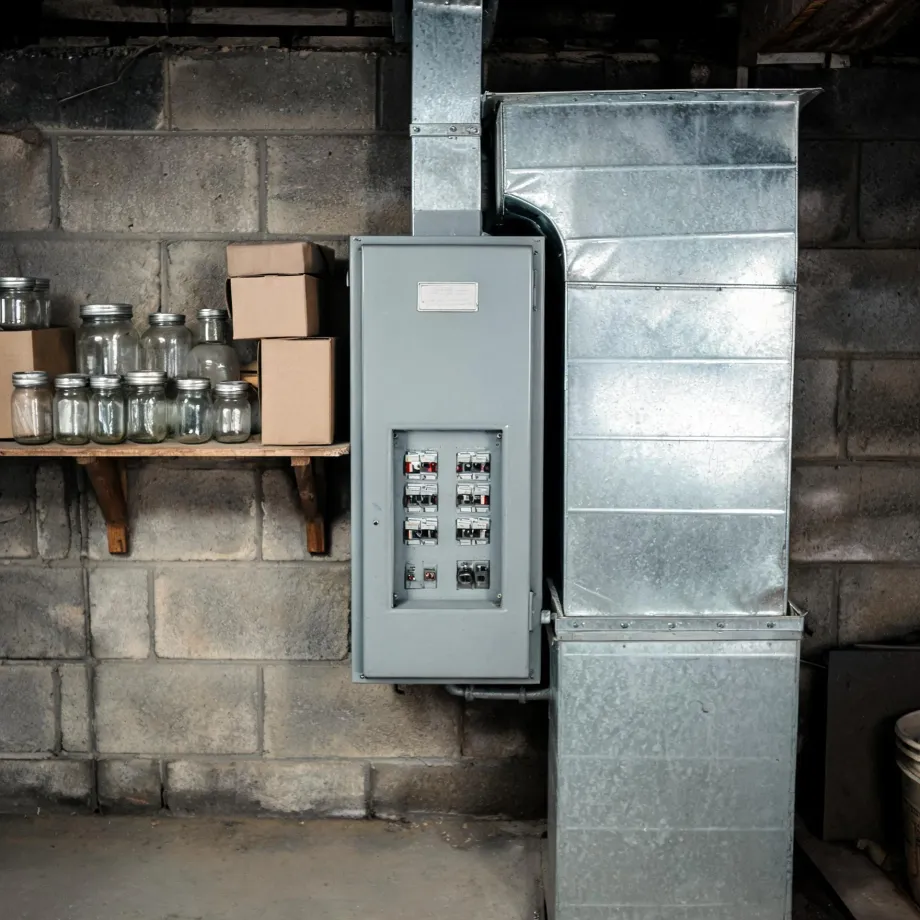
The wiring in a Clark County house is where a mini-split installation either goes smoothly or stalls. Half the homes in Clark County, Kansas were built in 1946 or earlier (2020-2024 ACS 5-year). Electrical service in houses that age was sized for far smaller draws than a modern mini-split head and its outdoor unit require together, and a contractor has to establish what the existing service can handle before any equipment is priced or ordered. If the panel falls short, the electrical upgrade becomes part of the job scope.
What a Mini-split System Looks Like Before Installation
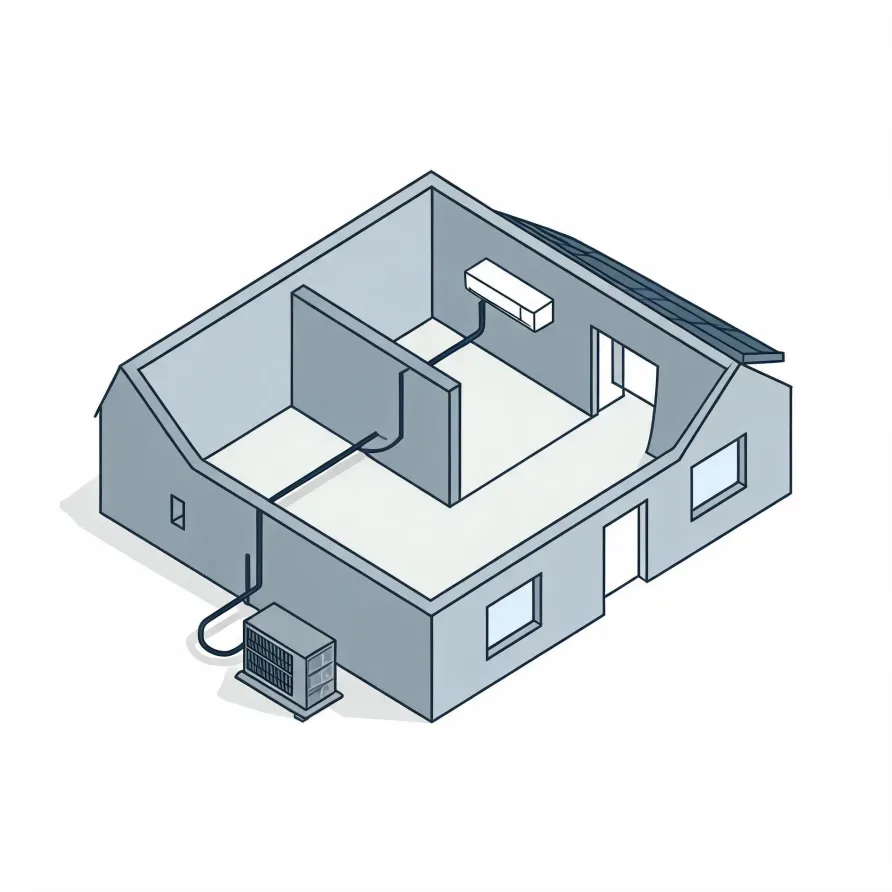
The indoor air handler mounts high on an interior wall, inside the room being conditioned. That is the piece a homeowner sees every day. The outdoor condenser unit sits on the ground or on a bracket outside the house, where it handles the heat exchange side of the work.
A refrigerant line set runs between those two units through a small opening in the wall, carrying the connection that makes the system function as one. A condensate drain line runs from the indoor unit to carry away moisture, and a dedicated electrical disconnect is placed near the outdoor unit.
The drawing shows the general layout of these components, and a licensed contractor determines exactly how each one applies to your house.
Get matched in Clark CountyClark County, Kansas, by the numbers
110 severe weather events were recorded in Clark County, Kansas between 2015 and 2024.
NOAA National Centers for Environmental Information, Storm Events Database, bulk CSV export, events 2015-01-01 through 2024-12-31.Half the homes in Clark County, Kansas were built in 1946 or earlier (2020-2024 ACS 5-year).
U.S. Census Bureau, 2020-2024 American Community Survey 5-Year EstimatesClark County, Kansas holds 1,039 housing units (2020-2024 ACS 5-year).
U.S. Census Bureau, 2020-2024 American Community Survey 5-Year EstimatesOwners occupy 73.6% of the occupied homes in Clark County, Kansas (2020-2024 ACS 5-year).
U.S. Census Bureau, 2020-2024 American Community Survey 5-Year EstimatesSevere Weather Events in Clark County
Heating and cooling equipment in Clark County works against whatever the local climate delivers, and that workload is shaped by how hard the weather pushes it over time. A mini-split sized and installed for local conditions holds up better than one specified without that picture in mind.
110 severe weather events, 2015–2024. Source: NOAA National Centers for Environmental Information, Storm Events Database.