Running clean
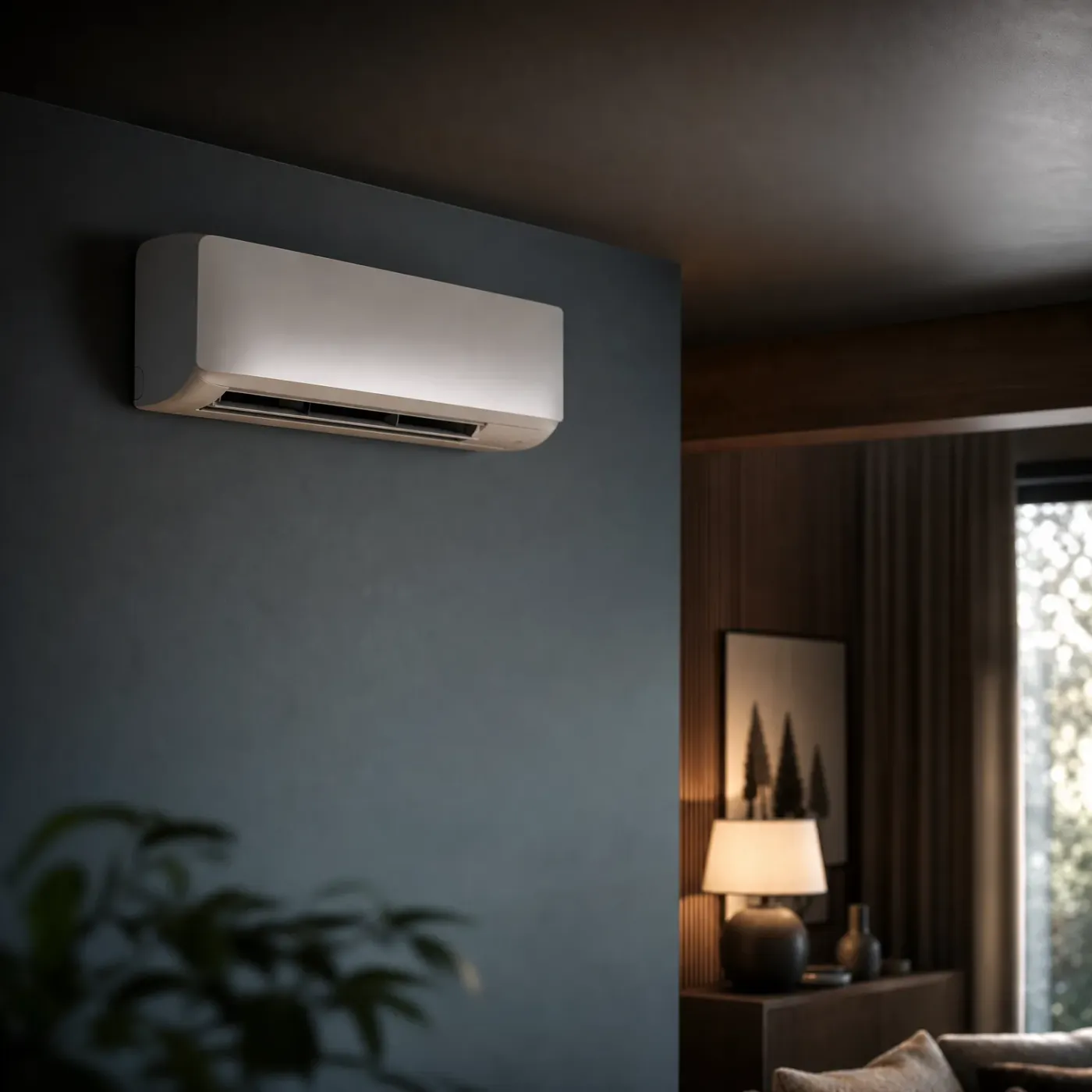
A mini split that's keeping up looks like this: a clear intake grille and vents you can see through. Air moves across the room instead of pooling by the window. It holds the temperature you set without the compressor running nonstop.
Matched to your mini split job
A mini split has to earn its keep against a muggy Leavenworth summer and a cold Kansas winter, running alongside the gas furnace most houses here already have. Whether it's worth it depends on what room it's covering and what it's replacing. Get matched with a local contractor who installs these year-round and can look at your setup specifically.
Find my proA mini split is worth it in Leavenworth if it's solving a problem your main system can't. If you've got a room that never gets comfortable, a finished basement, a garage conversion, a bonus room over the garage, a mini split heats and cools that space directly instead of asking ductwork that wasn't built for it to stretch further. It runs on electricity, not the gas most furnaces here use, and it does both jobs, heat and cool, with one unit. In Leavenworth's summers, it holds a room steady without overworking a central system that's already fighting the humidity. In winter, it keeps that same room warm on its own, though on the coldest days it leans harder and some homeowners pair it with their existing furnace rather than replace it. Where it's less worth it is cooling or heating a whole house that's already served well by ductwork. The answer depends on the room, not the house.


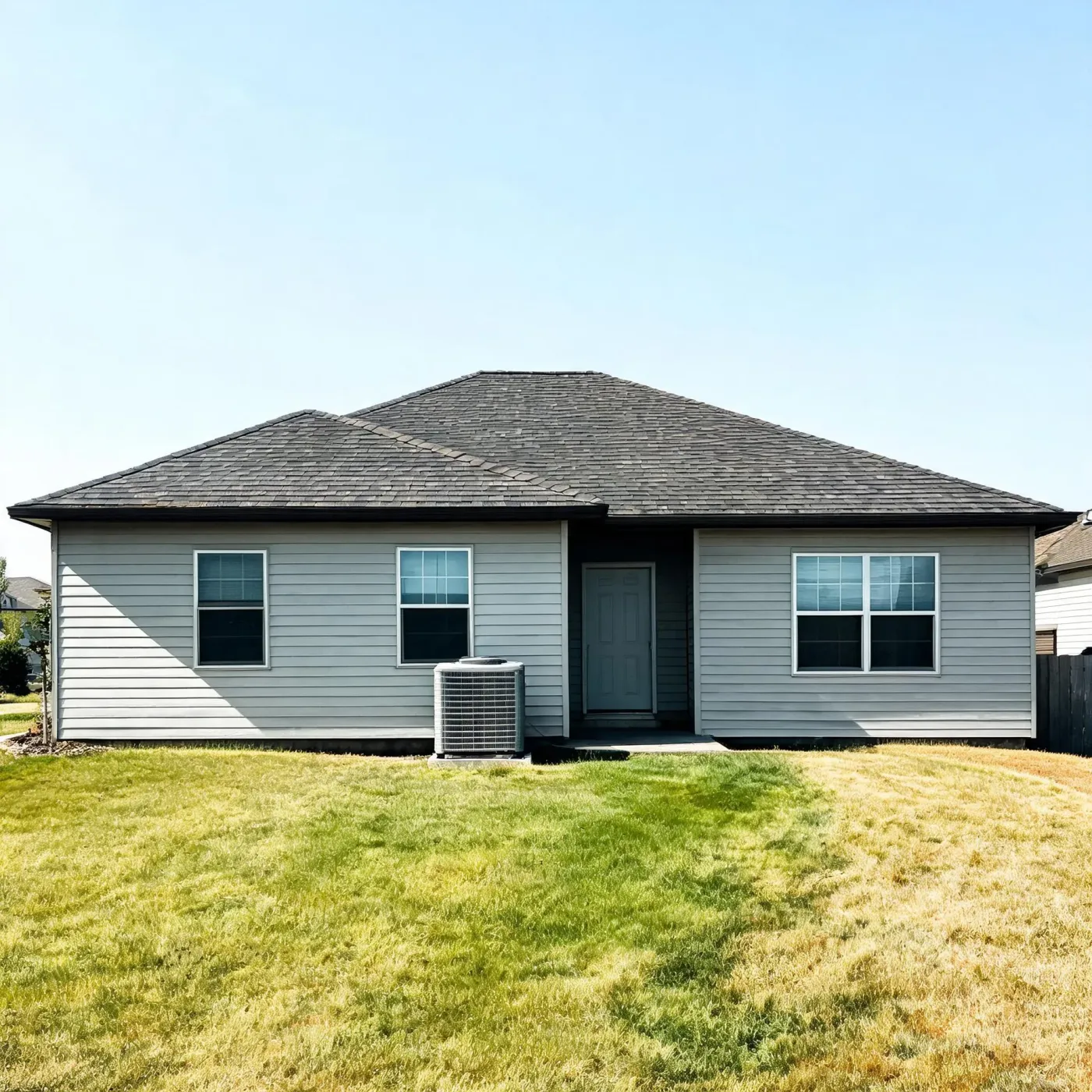
A mini split doesn't work like the furnace or a window unit, both of which run flat out and then shut off. The compressor outside changes speed to match what the room needs, so on a mild October afternoon it might barely be working, and on a muggy July day it ramps up. Refrigerant runs from that outdoor compressor through a line set to the indoor unit on the wall or ceiling, and that whole connection, line set and wire, passes through one small hole. That's the reason it works for a garage conversion or a bonus room with no ductwork to tie into. Inside, the blower adjusts along with the compressor, easing up or down to hold the room steady instead of swinging past the set temperature and clicking off. Once it gets below freezing outside, the outdoor unit pauses to run a defrost cycle, reversing briefly to clear frost off its coil before it goes back to heating. Since most of these are heat pumps, the same unit covering that room in summer is what heats it through a Leavenworth winter.


Cooling runs May through September
Five months of cooling means a mini split in a bonus room or garage conversion has real work to do most of late spring through early fall, not just a few hot weeks.
Heat runs October through April
Seven months of heat is the bigger number here. A mini split with a good low-temperature rating can carry a room through most of that without the furnace ever kicking on for it.
Power here costs 14.29 cents per kilowatt-hour
At 14.29 cents per kilowatt-hour, running a mini split in one or two rooms instead of extending ductwork or heating the whole house keeps the electric cost of covering that space predictable.
NOAA nClimDiv 1991-2020 · EIA-861 2025

A mini split that's keeping up looks like this: a clear intake grille and vents you can see through. Air moves across the room instead of pooling by the window. It holds the temperature you set without the compressor running nonstop.

Dust built up on the vents and the lower grille like this cuts airflow before you notice the room feels off. The blower works harder to push air through, and the coil behind that grime can't pull heat the way it should. A dirty mini split is also how dust runs up against a muggy Leavenworth summer and loses.
You've got a mini split in a bonus room or a converted garage, and you've noticed it doesn't run like a window unit or your furnace. It doesn't blast on at full power and shut off. It seems to just sit there holding the temperature, quiet, barely working some days and clearly working hard on others. You want to know what's actually controlling that, and whether it's doing what it's supposed to.
The indoor unit has a thermistor that reads the room temperature constantly, not just at startup. That reading goes to a control board, which tells the outdoor compressor how fast to run. Close to your setpoint, the compressor slows down and holds a low, steady speed. On a muggy July afternoon or a January morning with the temperature in the teens, it ramps up to keep pace. This is why a mini split doesn't cycle on and off the way a window unit or a furnace does. It's also why a unit that's sized right for the room spends most of its time running low and slow, and a unit that's struggling runs flat out for long stretches trying to catch up.
A dew point of 65°F is where Leavenworth sits for the whole stretch of June, July and August, and that's the number that decides whether a mini split actually feels like it's working. Air that heavy doesn't just feel warm, it feels wet, and a mini split pulls moisture out of it every time the compressor runs, not just when it's blasting cold air. That steady low-speed operation is what keeps a bonus room or converted garage from feeling clammy even when the thermostat says it's cool. A contractor who installs these year-round in the county can size the unit so it runs long and slow through that kind of summer instead of short-cycling and leaving the room damp.
NASA POWER T2MDEW
A licensed installer who works in Leavenworth County gets your project.
No charge to send it. You decide if you hire them.
Think about the one room in your house that never works right. Maybe it's a bonus room over the garage that bakes in July and never quite warms up in January. Maybe it's a finished basement that sits ten degrees off from the rest of the house no matter what the thermostat upstairs says. Your furnace and your central air are built to serve the whole house evenly, and a room like that is usually the farthest point from the ductwork, so it loses the fight every time. A mini split serving that room directly doesn't have that problem. It's sized for that space, it sits right in it, and it holds temperature there whether the rest of the house is calling for heat or not.
The part worth noticing is what happens to the room you've been avoiding. If nobody uses it because it's never comfortable, you're already paying to condition a space you get nothing back from. That cost doesn't show up as a line item, but it's real, and it goes away once the room is one you'd actually sit in. There's a second effect too. During the stretch of summer when your central air is running hardest, or the weeks in winter when your furnace can't keep up, a mini split handling one room on its own takes that load off the main system. Leave the room as is, and it stays the same problem through another summer and another winter, no better than it's ever been.


You already know which room it is. The bonus room over the garage holds the afternoon heat long after the rest of the house cools down, or the finished basement stays clammy no matter what the thermostat upstairs says. If a mini split already serves that space, you'd notice the opposite: the room stops lagging behind the rest of the house, the air feels dry instead of heavy, and the unit holds its temperature without straining. If it's been struggling, you'll hear the compressor running longer than it should, see the vents icing or the room still sticky in August. Left alone, that room stays the one nobody wants to use, and the gap between it and the rest of the house doesn't close on its own.

If your bonus room or basement gets air from the same ducts as the rest of the house, the furnace and central air are already reaching it, even if weakly. Adding a mini split there means two systems doing similar work in the same space. A contractor can look at whether the duct run to that room is undersized or just starved for airflow before you spend money on equipment the room may not need.
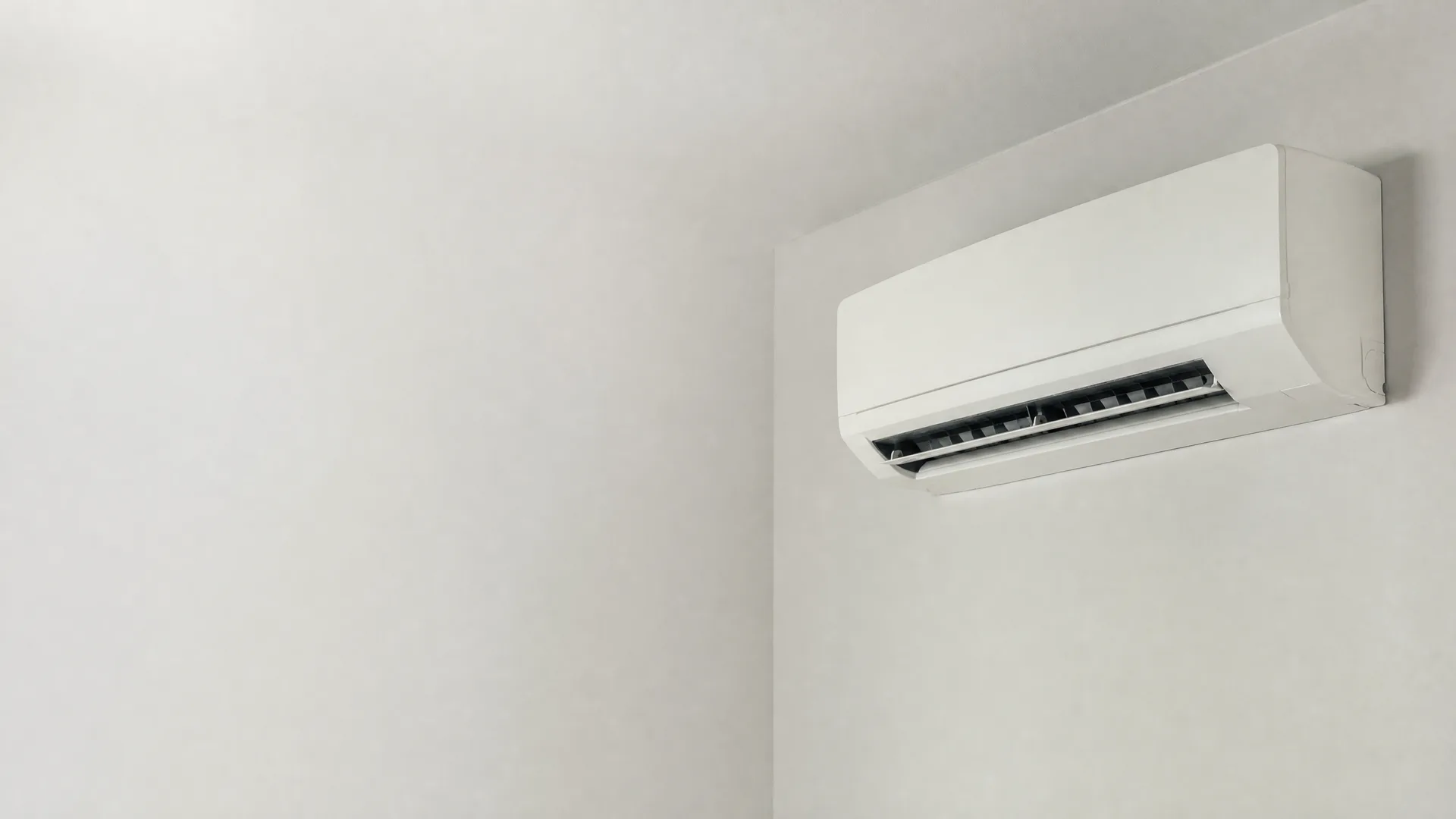
A garage conversion or an addition built after the ductwork went in usually has no duct run reaching it at all. Extending ductwork into that kind of space means tearing into finished walls and ceilings. A mini split skips that. The indoor unit mounts on the wall, a small line set runs through one hole to the outdoor compressor, and the room gets its own heating and cooling without touching the rest of the house.
Five months of cooling is a long stretch for a single room to fight on its own. A mini split in that bonus room or basement runs steady through all of it, not just the handful of worst weeks, so sizing it right for the space matters more than it would somewhere with a shorter summer.
NOAA nClimDiv 1991-2020

A mini split earns its place in Leavenworth when it's solving a problem the furnace and central air can't reach on their own. A bonus room that bakes all summer, a basement that never holds heat, a garage conversion with no ducts running to it at all. Five months of cooling and seven of heating is enough work that the room needs a real answer, not a space heater and a box fan. If that's your situation, a mini split does the job the rest of the house wasn't built to do.
If your problem is a system that's already struggling everywhere, that's a different repair, and a different conversation. Either way, a local contractor who installs these year-round in Leavenworth County has seen your exact layout before, the bonus room over the garage, the basement with no ducts, and knows what size and setup actually holds up through the dew point here. You'll be matched with one contractor who knows this equipment, not a handful competing for your number.





Get matched with a mini split pro in Leavenworth County
One installer gets your project, so there's no bidding war over it.

