


Running clean
Air moves freely through the vents and over the coil behind them, so the unit pulls in what heat the outdoor air still has and gets it into the room. On a cold night this is what lets it keep pace instead of falling behind.
A local installer who puts in mini splits gets your project.
Find my proKansas winters swing hard, and a mini split that works fine in October can struggle once a real cold snap sets in come January. If you're weighing one for a room addition or a garage, or you already have one and notice it losing ground when it's frigid out, you want to know where the limit actually is.
A mini split pulls heat from the outside air, so the colder that air gets, the less heat there is to pull. Standard units start struggling somewhere around 5°F, and a lot of them stop working below -13°F because the outdoor coil can't extract enough warmth to run safely. Kansas gets stretches in the single digits most winters, sometimes colder, so this matters here. Cold climate models are built to keep working well past that point, but even those have a floor. Since most homes here heat with gas, a mini split in Kansas usually works best as backup or for shoulder season rather than the only source of heat on the coldest nights.
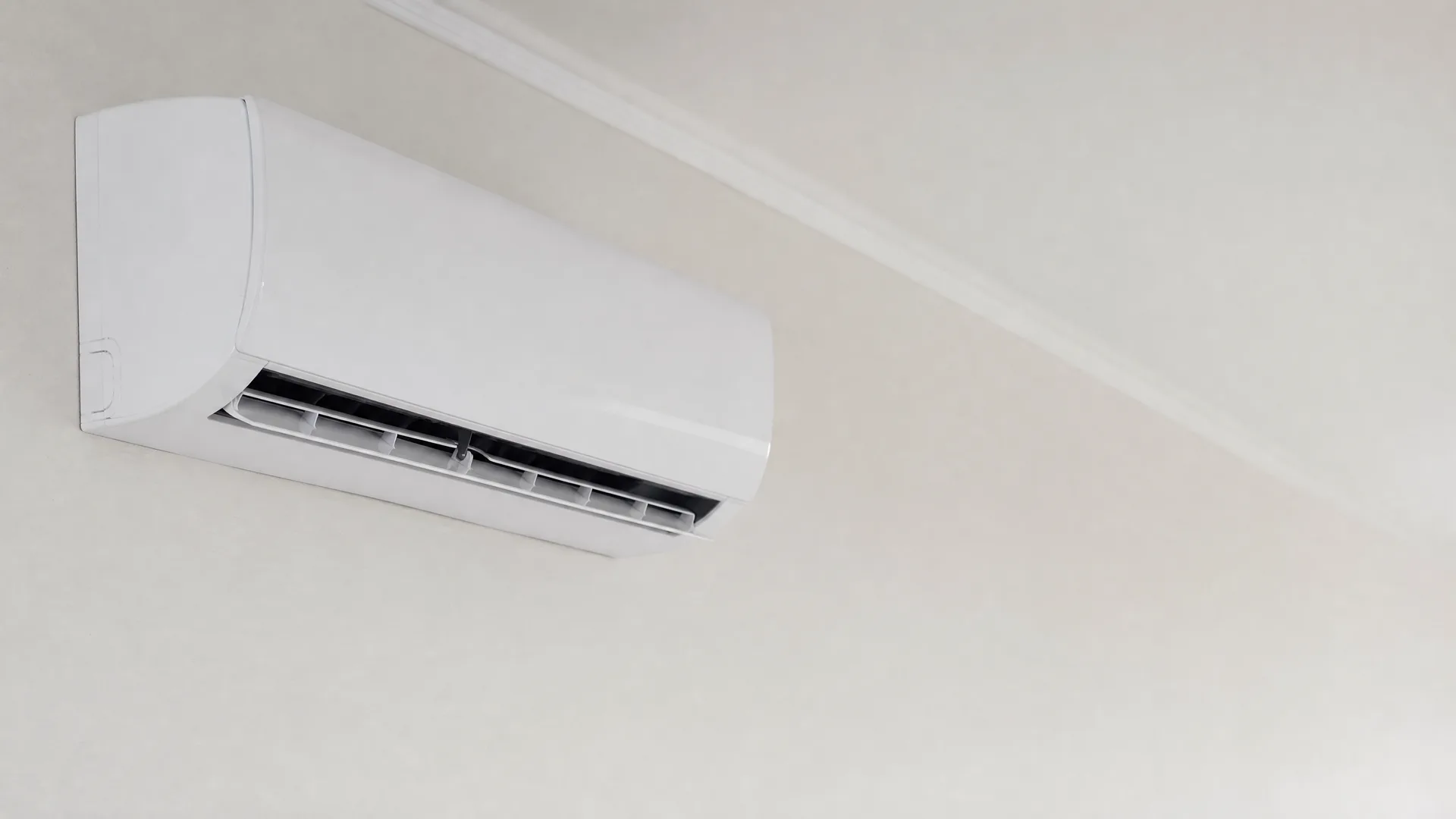
A mini split pulls heat out of outdoor air, and the colder that air gets, the less heat there is to pull. Most units lose capacity below freezing, and the drop gets steep once temperatures fall into the teens or single digits, which Kansas sees most winters. The compressor keeps running, but it can't move as much heat into the room as it did at 40 degrees. That's a basic limit of how the equipment works, not a sign anything is wrong with it.
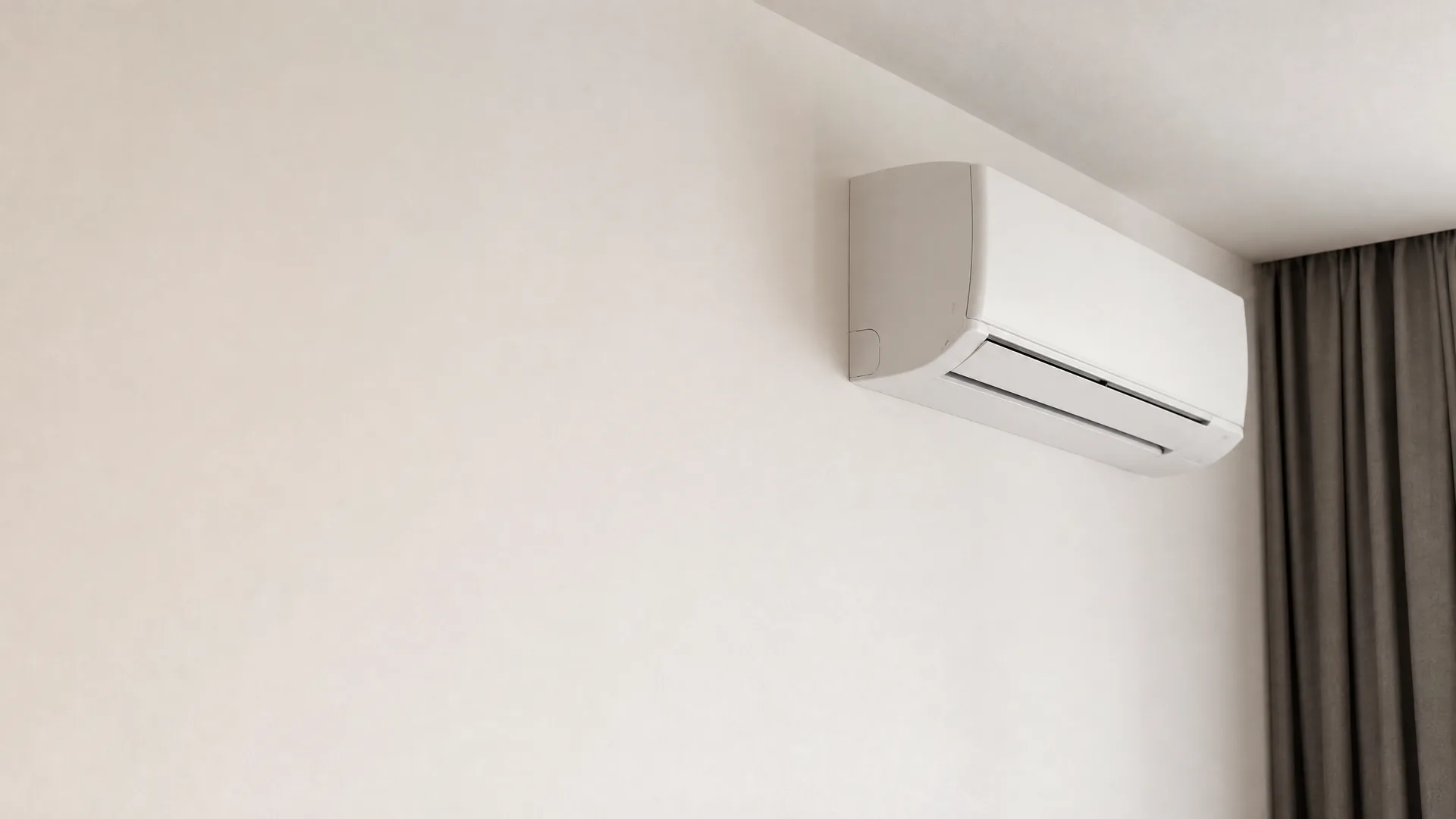
Most homes in Kansas heat with gas, and that matters for how a mini split gets used. A furnace doesn't lose output as the temperature drops outside. Pairing a mini split with that existing gas system means the furnace can carry the load on the coldest nights while the mini split handles the milder stretches, spring and fall and the easier winter days. Sizing that pairing right, so the two systems hand off the load correctly, is a job for whoever installs it.

If your house still heats with gas, the mini split is likely doing secondary work, maybe a converted garage, a sunroom, a bonus room over the garage. On a January night when the temperature drops into the teens, that room will cool off faster than the rest of the house, and the unit will run close to constant trying to hold the setpoint. You'll notice it in the sound and in the fact that the room never quite feels as warm as you set it.
The risk isn't damage. It's a cold room and a unit running hard for little return, which shows up on the power bill over a stretch of bad weather. Whether that's a real problem for your place depends on where the unit was installed, how it was sized, and whether it has backup heat strips or you're relying on something else for those nights. A local contractor who installs these in Kansas winters can look at your setup and tell you whether what you have is sized and placed for what this climate actually does to it.





Outdoor air passes over the unit's cold refrigerant coil outside.
Refrigerant absorbs what little heat that cold air holds.
A compressor raises the refrigerant's pressure and temperature sharply.
Hot refrigerant travels inside to the indoor head unit.


On that kind of night, you'll feel it as a room that won't quite hold its temperature no matter where you set the thermostat. The head unit keeps running, the fan keeps blowing, and the space still feels a few degrees off. If the mini split is the only heat in that room, your gas furnace won't pick up the slack unless the two are set up to work together, so the gap falls on you to notice and manage. Push a unit below its rated minimum night after night and the compressor is working harder than it was built for, which shortens how long it lasts before something fails. None of that shows up right away. It shows up as a January bill higher than you expected, or as a repair call two winters from now that traces back to a cold snap the unit wasn't sized for. A mini split installed with Kansas winters in mind, the right size, the right line set, the right controls, avoids most of that. One installed without that in mind just waits for the first hard cold snap to show it.


A mini split that keeps falling behind on the coldest nights usually needs a second look at sizing or installation, not just a thermostat adjustment. Whoever set the line set, the controls or the backup heat for that room made choices that either hold up in a Kansas January or don't. Getting those choices checked by someone who installs these units across the area, in garages, sunrooms and additions through winters like this one, tells you whether the unit you have can actually do the job or whether the setup needs to change. A local contractor who works on this equipment every season knows which installation mistakes show up first once it gets into the teens and single digits, and what a mini split can reasonably be asked to cover in a Kansas winter versus what still needs the gas furnace behind it. That's a different read than a general repair call, and it starts with getting your situation in front of someone who installs these for a living here.

Summer here is the other side of the sizing problem. Kansas State climate data puts the average summer dew point at 64°F, which is heavy enough that the air feels thick even before the temperature climbs. A mini split sized only for that January cold snap can end up oversized for a muggy July afternoon, cycling on and off instead of running steady. Short cycles pull less moisture out of the air each time, so the room can read cool on the thermostat and still feel damp. A unit sized and installed to handle both ends, the cold snaps and the sticky stretch of summer, holds steadier through both instead of being tuned for one and falling short on the other.
NASA POWER T2MDEW county cells weighted by homes
You've probably noticed the pattern by now. The head unit runs almost constantly once it gets cold out, the fan sounds like it's working hard, and you can hear it kick on and off more than it used to. Stand near the vent and the air coming out feels cooler than it should, not warm like it did in November. The room itself is fine during the day but drops fast once the sun goes down, and by morning it's noticeably colder than the rest of the house. If that room is a converted garage or a sunroom with no gas heat backing it up, that gap gets wider on the coldest nights, and pipes or anything else out there that depends on steady warmth is exposed to it too.


Air moves freely through the vents and over the coil behind them, so the unit pulls in what heat the outdoor air still has and gets it into the room. On a cold night this is what lets it keep pace instead of falling behind.

A coated top panel and clogged vents block airflow before it ever reaches the coil. The unit draws more power trying to move the same amount of air, and on a hard cold snap it loses ground it can't get back.
A mini split losing capacity on a cold night makes up for it by running longer, and every extra hour draws power at that 14.44 cent rate. On a room already struggling to hold its temperature, that shows up as a bigger jump on the bill than the square footage would suggest.
EIA-861 2025 statewide residential average
Cold itself isn't the enemy. The question is whether the unit was sized and installed to handle what a Kansas January actually does, and whether it's been kept clean enough to use what capacity it has. A mini split that's the right size, set up with the correct line set and controls, and running on a clean coil will keep pace with a hard cold snap. One that's undersized, poorly installed, or choked with dirt will fall behind long before it hits its rated minimum, and you'll feel that as a room that never quite warms up no matter where the thermostat is set.
If that's what's happening in your house, the fix usually isn't a different thermostat setting. It's someone looking at how the unit was sized for that room, how the line set was run, and whether backup heat was ever part of the plan. That's a job for whoever installs and services these units in your part of Kansas through the winter, not a one-size answer.
A local contractor who works on mini splits all season has seen which models hold up once temperatures drop into the teens and which ones struggle, and what installation mistakes cause that struggle in homes like yours. You'd be matched with one contractor who looks at your specific setup, not a handful of companies giving you competing guesses about the same room.
A mini split pro near you