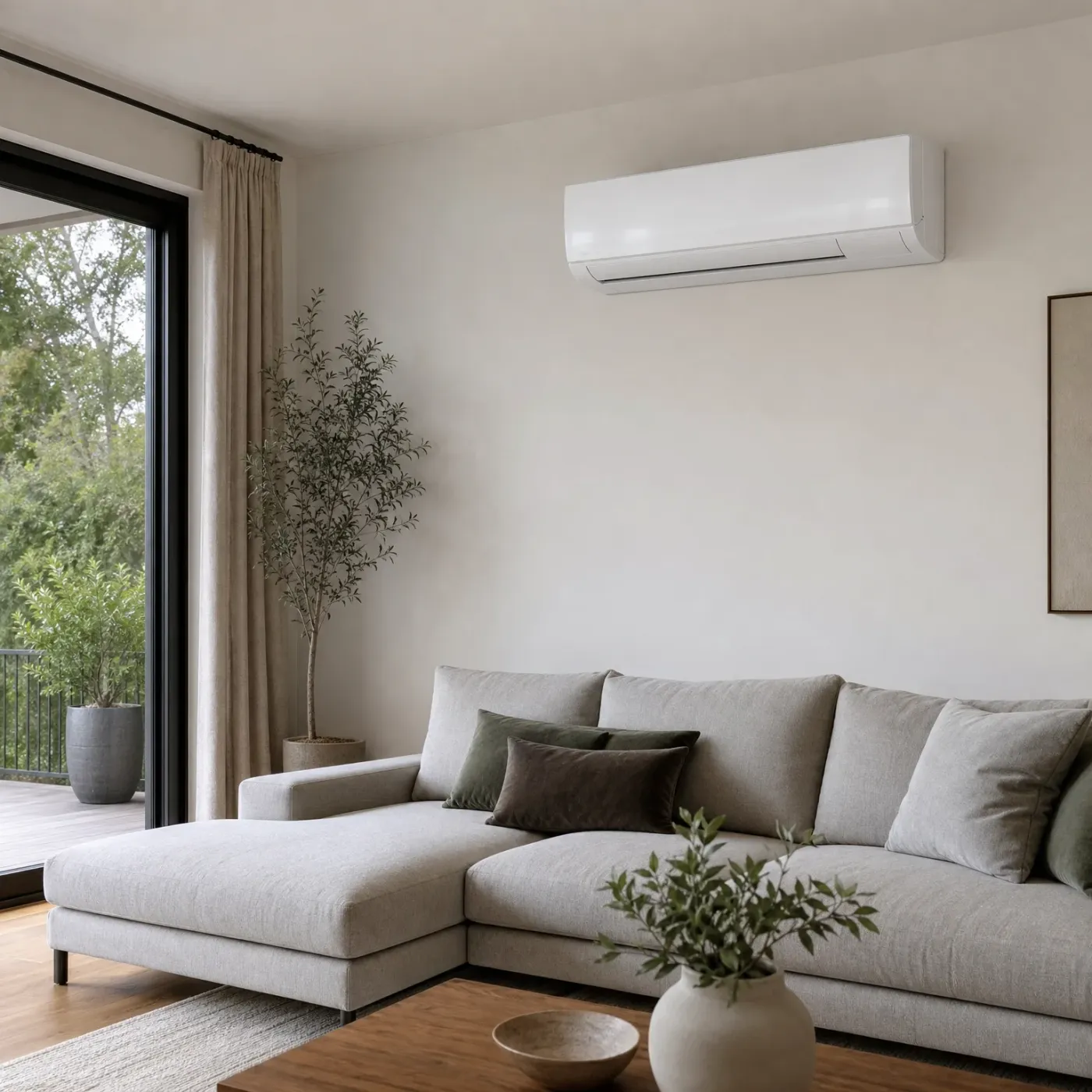
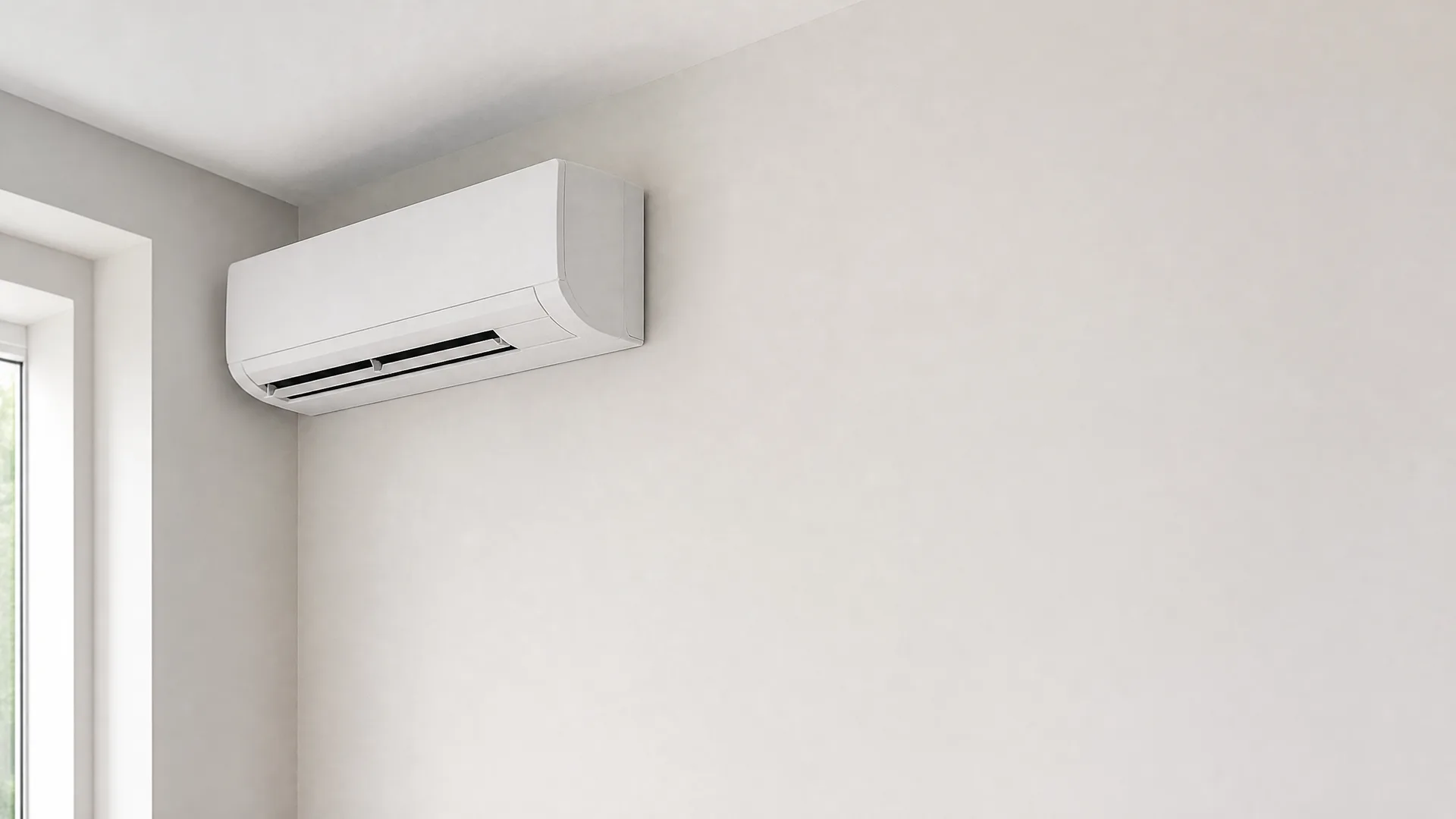
Describe the project once instead of to every installer.
A mini split can lower your heating bill, but it depends on how it's set up alongside the gas furnace most homes in Kansas already have. Run right, a mini split heats efficiently down to cold temperatures, and a lot of homeowners here use one to cover the shoulder months, October and April, when a furnace cycling on for a short burn isn't worth firing up.
Where it actually saves you money is in how the installer sizes it and where they put the indoor unit. Too small and it runs constantly without catching up. Too big and it cycles on and off, which wastes power and wears the compressor faster. Get the sizing wrong and the install itself can cost you more than it saves over a winter.
This is the kind of judgment call you want someone local making, someone who installs these in Kansas homes every season and knows how they perform once it's actually cold outside, not just on paper. That's different from hiring whoever answers the phone first.
Finding that person is usually the hard part. You'd normally be searching through contractor listings, calling a few, explaining your setup and your furnace situation to each one, then waiting on quotes to compare line by line. None of that gets your mini split installed any faster, and most of it you end up repeating.
Here, that work is already done. You're matched with one licensed local contractor who installs mini splits in homes like yours, not a handful of companies competing for your callback. You explain your situation once, to someone who already knows what questions matter for a Kansas winter, and the next step is scheduling the install, not screening bids.
A mini split can lower your heating bill in Kansas, but it depends on how it works alongside your furnace. A mini split moves heat instead of burning gas to make it, so it uses less energy per degree of warmth it produces. The catch is what happens when temperatures drop into the teens and below, which happens most winters here. Older mini splits lose efficiency fast in deep cold, and some shut off the heat strip kicks in, which costs more to run than gas. Newer cold-climate models keep working efficiently well below freezing. If yours is sized and installed to carry the load on all but the coldest nights, letting the furnace handle those, you'll likely see your gas use and your total heating cost drop. If it's undersized or an older model, you may end up running both systems and paying for each.
A mini split kept clean and running on its own heats this well, holding its output as the temperature drops outside.
A mini split caked in dust across the coil and vents has to work harder for the same heat, and the gas furnace picks up the rest.
Summer here holds a dew point around 64°F, the measure of how heavy the air feels, averaged across June, July and August from local weather data. Air that sticky makes your mini split's compressor work through more moisture before it can even start cooling the room down. You'll notice it running longer on muggy evenings and pulling more power to do it, even on days that aren't especially hot. A dirty coil makes that worse, since it slows down the moisture removal and forces the compressor to run longer still. None of this touches your gas furnace or your winter bill, but it's worth knowing the same unit working hardest in July is the one you're counting on to save money in January.
NASA POWER T2MDEW county cells weighted by homes
Where a mini split pulls ahead
A mini split moves heat with a compressor instead of burning gas for it, and that compressor keeps working down to low outdoor temperatures. On the mild days that make up a lot of a Kansas winter, it can carry the whole heating load by itself and the furnace never has to fire. Every hour it covers that way is gas the furnace didn't burn and electricity bought at a typical rate. Set the thermostat to let it run first and the furnace only backs it up, and the savings show up on the gas side of the bill, not the electric side.
Where the furnace takes back over
Below a certain outdoor temperature, a mini split's output drops and it can no longer keep up with the heat a house loses on its own. That's when the furnace has to pick up the difference, burning gas to hold the temperature the mini split can't reach alone. On the coldest nights of the year, the furnace is doing most of the work regardless of how well the mini split is installed. How that handoff is set up, not just the equipment itself, decides whether the two machines work together or whether the furnace ends up covering more than it needs to.
Before you get your mini split installationAfter you get your mini split installation
One form, no calling around
One installer gets your project, so there's no bidding war over it.
It costs nothing to send, and you don't have to hire anyone.
Is your mini split actually carrying any of the heat load
Stand near the indoor unit on a cold evening. If air is coming out warm and steady, it's doing its share and your furnace is running less. If the fan barely feels warm, or it cycles on and off without really raising the room temperature, the furnace is covering almost everything and the mini split is just adding to your power bill without cutting your gas bill. Check the outdoor unit too. Frost is normal in winter, but a coil packed solid with ice, or vents choked with dust and leaves, means it can't pull in enough air to work efficiently. Left that way through a Kansas winter, you end up paying for electricity and gas both, for heat you're only getting from one of them.
Set up for one room
A mini split sized and placed to cover one room, like a bonus room over the garage or a converted porch, pulls that space off the furnace almost entirely on mild days. The furnace stops short-cycling to cover a spot it was never good at heating. You see the difference most on the days the mini split can run alone, carrying the whole load for that room instead of just taking the edge off it.
Set up to fight the furnace
A mini split installed without any thought to how the furnace already heats the house can end up working against it. If the thermostat for the furnace sits in a room the mini split is also heating, the furnace can read that room as warm and shut off supply to other rooms that still need it. You end up paying for both systems to run and still have cold spots the mini split was supposed to fix.
Set Up Right vs Set Up Wrong
Mini split working with your furnace
It handles the mild shoulder days, the 40s and low 50s that make up a good stretch of a Kansas fall and spring, so the furnace stays off more often.
Your gas use drops because the furnace only fires on the coldest stretches instead of running every heating cycle.
The furnace still covers the hard cold, so you're not asking the mini split to do something it was never sized for.
Set up this way, you're running two systems that split the work instead of one system straining to cover it all.
A contractor who installs these in Kansas homes every season can size and place the unit to actually take load off the furnace, not just sit next to it.
Mini split fighting your furnace
If it's undersized or set up in the wrong room, the furnace keeps running as if the mini split weren't there, and you're paying for both.
A dirty coil or blocked vents on the indoor unit cuts its output, so it quietly stops carrying any real share of the heat.
Two systems set to fight each other, the furnace trying to heat a room the mini split is also trying to heat, wastes gas and electricity both.
If you install it without checking how it's supposed to work alongside the furnace, you won't know until the bill comes whether it helped at all.
Getting that wrong means you're the one stuck comparing quotes and explaining your setup to contractor after contractor just to find out what should have been sized right the first time.
Sized for one room versus sized for the house
A mini split installed to cover a single room, like a bonus room or a converted porch, does exactly that job well. It holds that space at temperature on its own through most of the winter and takes pressure off the furnace for the square footage it covers. What it won't do is touch your gas bill for the rest of the house. The living room, bedrooms and kitchen still run entirely on the furnace, same as before you had it installed. If your goal was a lower bill across the whole home, a single-room unit gets you partway there, and the rest comes down to how much of your square footage that one room actually is.
Sized to offset the whole furnace
A mini split sized and placed to cover the main living areas changes the math differently. Now the furnace is backup instead of the only source, and it only fires on the coldest stretches of a Kansas winter instead of running the whole season. The gas bill drops by more because more of the house's heat is coming from the compressor instead of the burner. This takes more than one indoor head in most homes, and it means picking a contractor who sizes the system to the house rather than just the room nearest the thermostat. Get that sizing wrong and you end up with the first case instead, no matter what the equipment is rated for.
Power costs 14.44 cents per kilowatt-hour statewide
At 14.44 cents per kilowatt-hour, running your mini split's compressor costs about what it would in most other states, nothing unusual pushing your electric bill up. The real savings come from how much gas your furnace stops burning, not from a cheap rate on the power side.
EIA-861 2025 statewide residential average
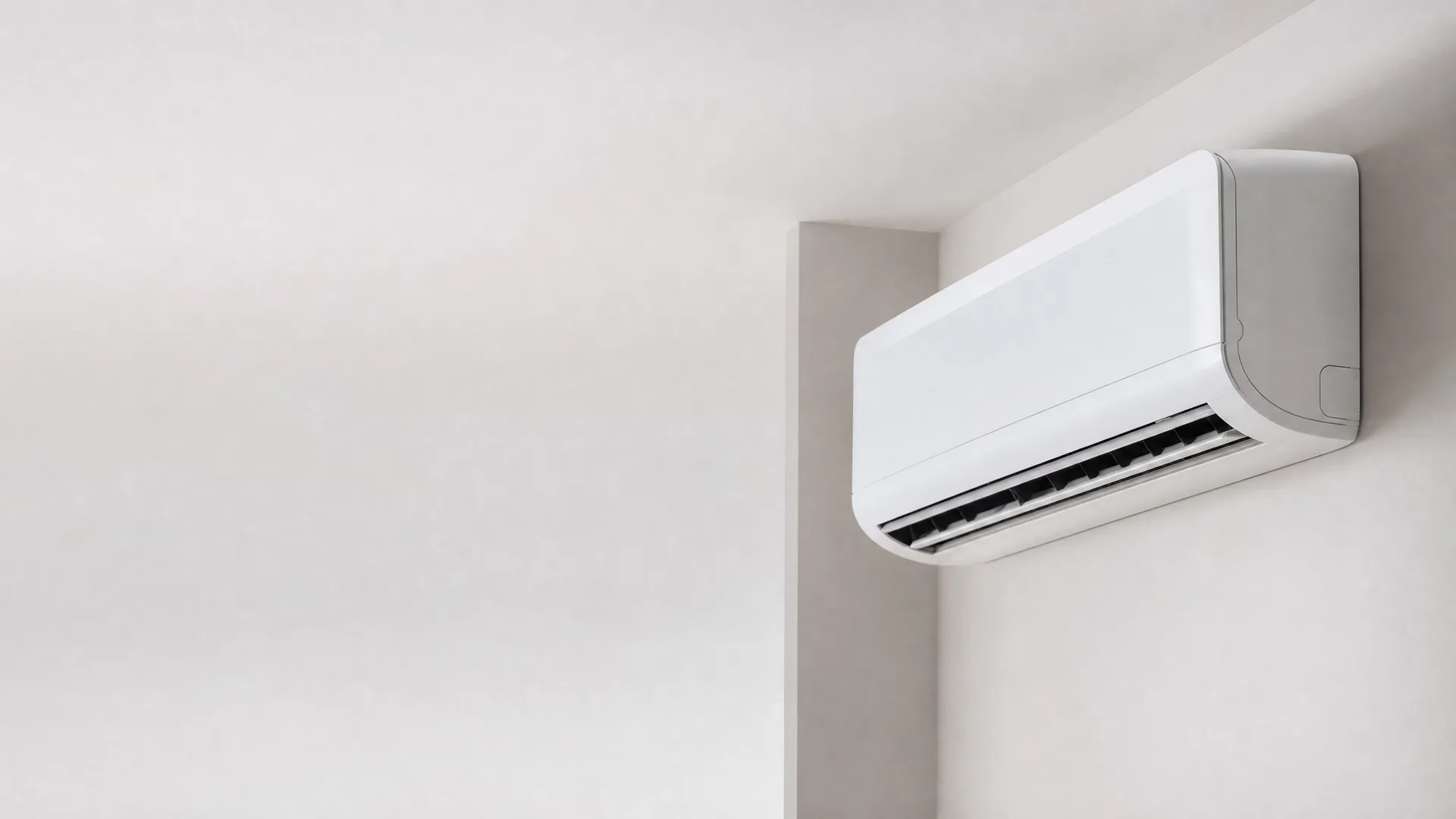
Clean coil, doing its job
This is what a mini split looks like when it's covering its share of the heat. The casing is clear, the vents are open, and air moves through it the way it was designed to. It can run efficiently all winter at this rate.
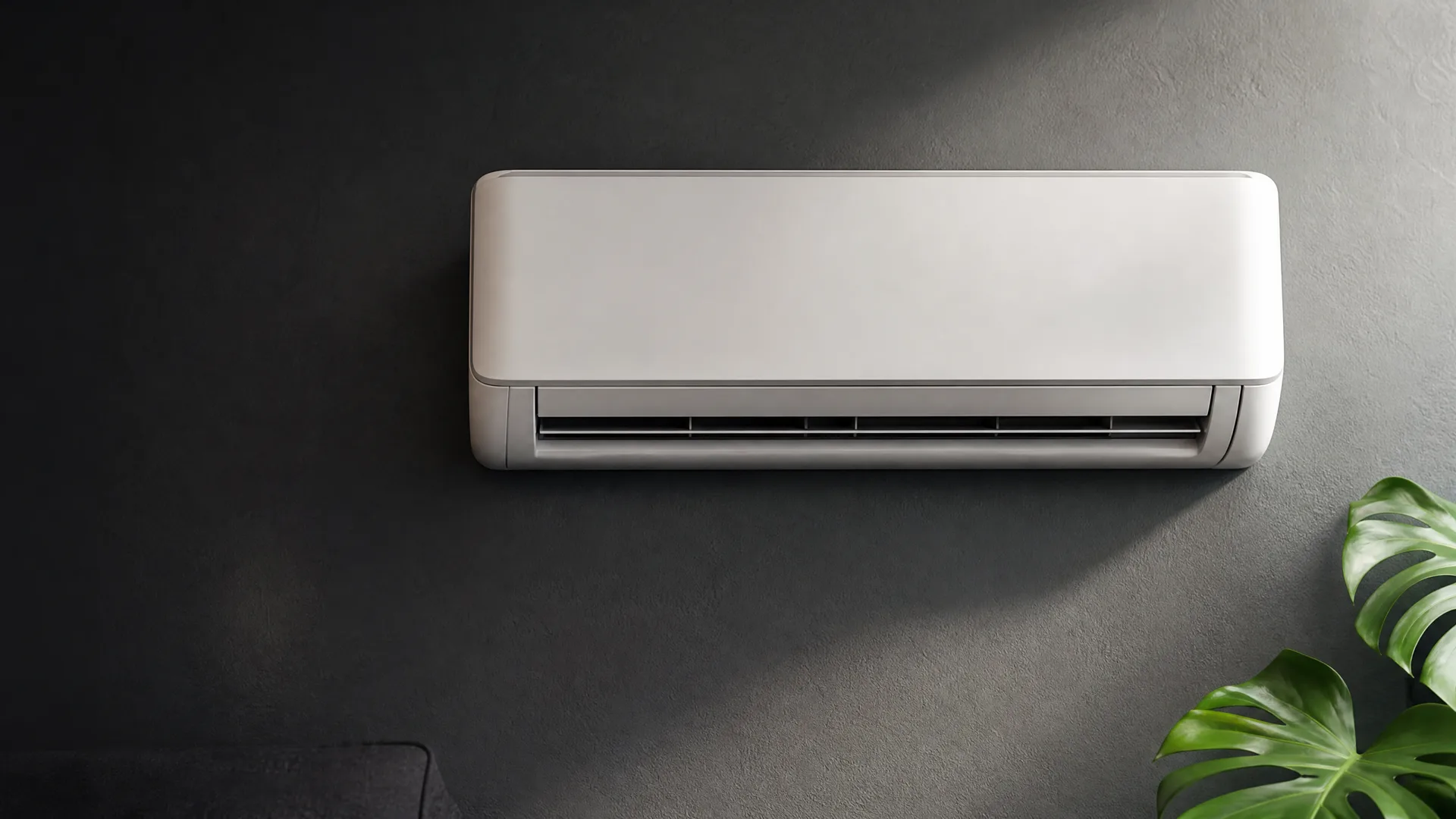
Dust on the coil, furnace picking up the slack
Dust like this across the casing and vents blocks airflow before it reaches the coil. The unit has to run longer for less heat, and your furnace ends up covering what it can't. A contractor who services these year-round can clean it and check if it's still sized right for the room.
So does it lower your heating bill
It can, if it's sized right and set up to actually share the load with your furnace. A mini split placed to cover one room, kept clean, and installed so it runs instead of your furnace on the mild days will cut your gas use. One sized wrong, or stuck in a spot where it can't carry real heat, won't move the number much either way.
Getting there usually means more than buying a unit. It means finding someone who installs these correctly for a Kansas winter, not just anyone with a drill. Instead of calling around to a handful of companies, explaining your furnace setup and your house over and over, then sitting on quotes trying to guess which contractor actually knows what they're doing, you'd be connected with one licensed local contractor who works on this equipment all season and knows what tends to go wrong with it here. You'd know where you stand without the runaround.