Can a mini split be your only heat in Kansas

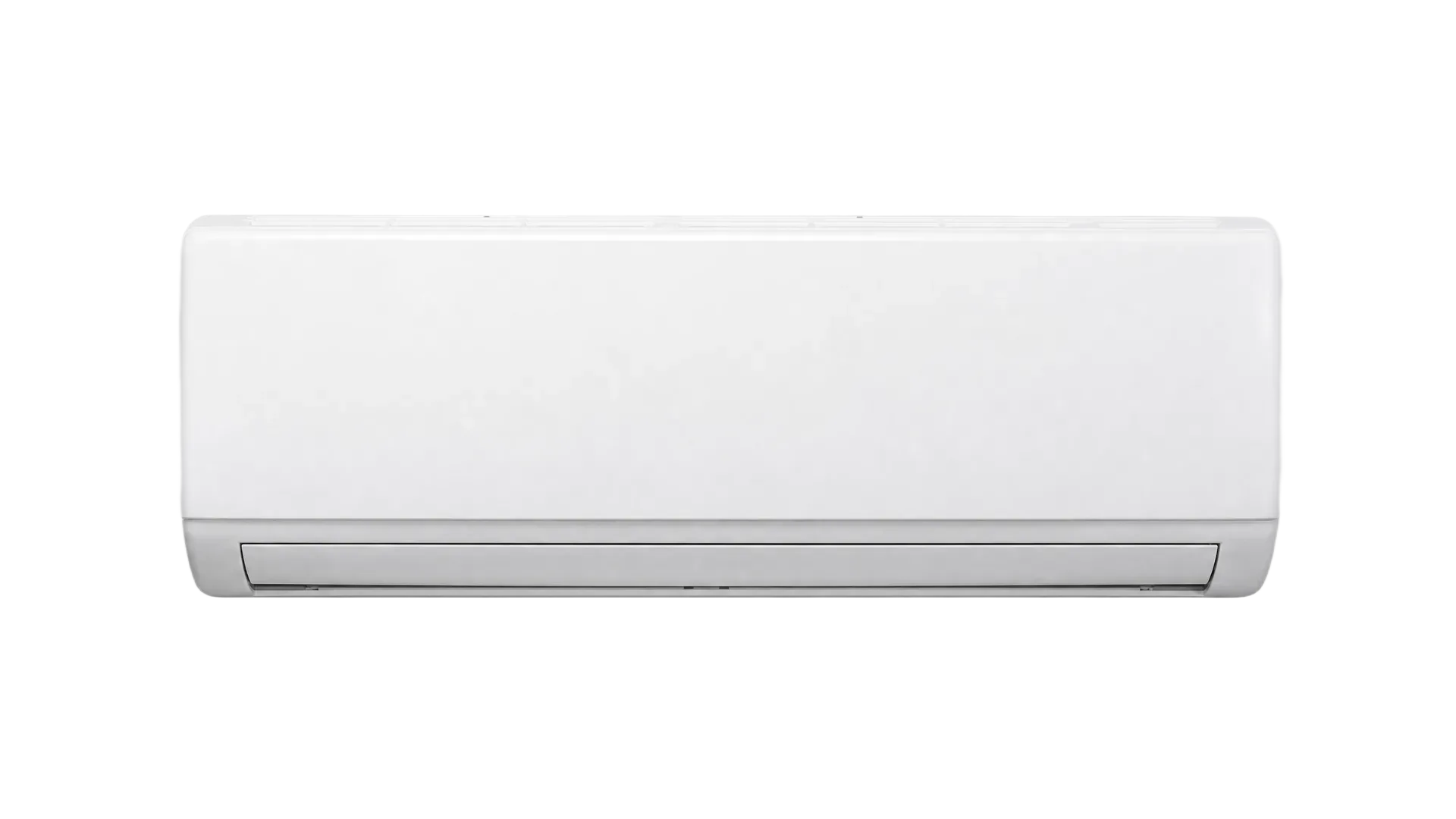
A white wall-mounted mini-split air conditioner indoor unit centered against a plain light gray background.
Get a mini split pro

A mini split can heat your home through a Kansas winter, but most homeowners here keep their gas furnace as backup for the coldest stretches. A mini split is a heat pump, and heat pumps lose capacity as the outdoor temperature drops. Older or lower-end models start struggling somewhere in the teens to single digits, pulling more and more electricity to put out less and less heat. Newer cold-climate mini splits are built for this and can keep working well below zero. The difference comes down to which unit you have, and whether it was sized and installed to cover your whole heating load or just to supplement a furnace. If you're planning ahead, that's the question worth answering before next winter: is your system actually rated to carry the house on its own, or was it meant to work alongside gas heat all along.

Power costs 14.44 cents per kilowatt-hour statewide

At 14.44 cents per kilowatt-hour, running your mini split for heat costs about what the statewide average suggests, nothing unusual either way. Since a heat pump moves heat instead of generating it, it still uses less power per degree than electric resistance heat would at that same rate.

EIA-861 2025 statewide residential average

Mini split with the furnace backing it up

The mini split carries most of the winter on its own, since outdoor temperatures above freezing are where a heat pump works best. When a cold snap pushes the temperature down into the teens or lower, the furnace takes over and keeps the house warm without the mini split straining to pull heat out of air that has almost none to give. You get the lower running cost of the heat pump most days, and the furnace sitting there for the handful of nights a year when Kansas actually earns its reputation for cold.


Mini split as the only heat source

A mini split alone can keep a Kansas home warm through winter, but it needs to be sized and installed for that job specifically, not just for cooling. On the coldest nights, an undersized or older unit will run constantly and still lose ground. A newer cold-climate model holds up better than a standard one, but no gas furnace sitting idle means no backup if the mini split needs service in January. Anyone going this route is relying on one system doing everything, with nothing behind it when it's coldest.

An older woman with gray hair in a cream knit sweater sits under a blanket on a sofa by a window, looking outside toward yellow-leaved trees, with a lamp, shelves and an armchair in the room behind her.
A gray-haired woman in a chunky knit sweater sits in an armchair with a blanket, looking out a window at yellow autumn foliage, with bookshelves and a potted plant behind her.
A gray-haired woman in a navy sweater sits in an armchair with a knit blanket beside a window, looking out at yellow autumn foliage, with a dining table and houseplant in the room behind her.
A gray-haired woman in a gray cowl-neck sweater sits in an armchair with a blanket, looking out a dark-framed window toward yellow autumn trees.

Why capacity drops in cold air

A mini split pulls heat out of the outside air and moves it inside. When that air is cold, there's less heat in it to move, so the unit has to work harder for the same warmth. Most units hold up fine down into the 20s. Below that, output keeps falling, and on the coldest Kansas nights, in the single digits or lower, a lower-end or older unit may struggle to keep up on its own. That's the stretch where a gas furnace matters, not the whole winter.

What sizing on installation day decides

How well a mini split handles a Kansas winter comes down to sizing, and that gets decided at installation. A unit sized for your home's heat loss, not just picked off a shelf, holds its output longer as temperatures fall. A contractor can check your home's layout and insulation against the unit's rated performance at low temperatures, since that rating varies by model and brand. Get that match right and the furnace kicks in less often. Get it wrong and the mini split falls short well before the real cold hits.

A dusty beige wall-mounted mini-split air conditioner indoor unit installed high on a plain light-colored wall below the ceiling.
Before you get your mini split installation
A white wall-mounted mini-split air conditioner near the ceiling of a room with light gray walls, white crown molding, and a beige curtain at the left edge.
After you get your mini split installation
A two-story house with cream horizontal siding, a dark gabled roof, and a white front door, fronted by a lawn, shrubs, and a concrete walkway leading to a sidewalk and street, with large leafy trees on both sides.

Summer here isn't just hot, the air itself holds water. Kansas summers run a dew point averaging 64°F across June, July and August, according to NOAA climate data. That's the number that makes a room feel sticky even when the thermostat says it's cool enough. A mini split pulls that moisture out of the air as it cools, same as any air conditioner, but at 64°F it has real work to do all summer long, not just on the hottest afternoons. If yours is sized right, you'll notice it less. If it's undersized or was installed without accounting for that moisture load, you'll feel it as a room that cools but still feels damp. Getting the installation right the first time means one less thing to think about once summer settles in.

NASA POWER T2MDEW county cells weighted by homes

A local pro for your mini split installation

If you're set on running a mini split through a Kansas winter without a furnace, the install matters more than it would with a backup in place. A unit that's undersized for your square footage, or placed wrong in the room, will struggle the moment temperatures drop into the 20s, and there's no gas furnace to pick up the slack. Getting the sizing, the line set and the placement right from the start is what decides whether that works out. It also sets up the other side of the year, since the same system that has to carry your whole winter is the one pulling that sticky summer air down to a dew point you can live with. Getting matched with a contractor who installs mini splits for homes running them as the only heat source takes the guesswork out of it, and once you send the request, it's off your plate.

Where a mini split stands in Kansas

  • A mini split alone will heat a Kansas home most days of the year, but it loses ground once temperatures drop into the teens.
  • Keeping the gas furnace as backup covers the stretches where a heat pump's output can't keep pace with the cold.
  • Sizing and placement decide how much of the winter the mini split carries on its own.
  • Running the mini split for heat costs about what the statewide electric rate suggests, nothing more or less.
  • Summer runs the other way: a mini split handles the mugginess here without strain.
  • Getting the install right matters more if there's no furnace behind it to catch a cold snap.

A mini split can run your home for most of the year here, and it does summer without any help needed. Winter is where the answer gets specific to your house. Heat pumps give up capacity as the air outside gets colder, and in Kansas that means the teens and below start to matter. That's not a flaw in the unit, it's how the technology moves heat. A gas furnace sitting behind it catches those stretches so you're never without heat when the mini split's output can't keep up. How much of the winter the mini split handles on its own comes down to how it was sized for your square footage and where it was placed in the room, not to the brand or the price you paid. Get that part right and the furnace stays backup in the true sense, something that kicks in a handful of times a year rather than something you're leaning on constantly. Running the mini split for heat won't surprise you on the power bill either, the cost tracks the going electric rate in this state, no more and no less. None of this is a reason to wait on getting it looked at properly. Once you send the form, the work of finding someone qualified to size and place the system for your home is off your plate.

At dusk, a dark board-and-batten house with a standing-seam metal roof and lit entry walkway of stone pavers, with two large outdoor heat pump units on a stone-walled pad at right and trees and hills in the background.

Mini Split Installation

Get the right pro for your mini split

Step 1 of 3: Equipment
  • A brown leather and wood armchair with a cream knit throw sits in a corner beside a woven basket holding a dark cushion, under a framed mountain photograph, with a wood-trimmed window showing yellow and green foliage.
    • Describe your mini split job, and a local pro who handles it gets in touch.
    • Say what's going on with your mini split, and a pro who works on them reaches out.
  • A dark wood dresser against a pale wall holds a ceramic vase of eucalyptus branches, a stack of books with a wooden bowl, and a woven basket, with a framed landscape painting above and a woven basket holding a knit blanket on the floor beside a window.
    • One request and the search for a pro is handled.
    • Send it once and finding someone is no longer on you.
  • A window seat with beige linen and brown textured cushions, a chunky knit blanket, and an open book, beside a window showing blurred yellow autumn foliage.
    • One form replaces the calls you'd make to find a mini split pro.
    • Skip the round of in-home estimates for a new mini split.
  • A cream upholstered armchair with a rust-colored pillow and knit fringed throw sits beside a window with a ceramic vase of orange-leafed branches on the sill, overlooking autumn trees and leaf-covered ground.
    • Only one pro gets your request, so you hear from one company.
    • Your request stays with one local pro.









